CS Che @CheSunkara
Fin Professional Joined April 2023-
Tweets106
-
Followers51
-
Following887
-
Likes441
@Fintech03 Request a book by you for the benefit of the next generation.
@Fintech03 Eagerly awaiting a book from you with a compilation of these tweets and more.....
@DrDavidMiano I understand your eagerness to claim India as your forefathers or your paymasters fiefdom. You are not welcome......
@kirubaakaran @TVMohandasPai Congratulations ......
@IndoKatholic Dear Ex Hindu. How many Hindu scriptures have you read to conclude that Hinduism is stupid. Dear Neo Catholic. You are disrespecting fellow religionists like Erwin Schrodinger, Werner Heisenberg, Niels Bohr, Robert Oppenheimer, Albert Einstein, Carl Sagan, Hans Peter Durr etc.
@Jijith_NR Please do write a separate book on this topic.
@Jijith_NR @devduttmyth Mr Distortionist. Is this also myth.
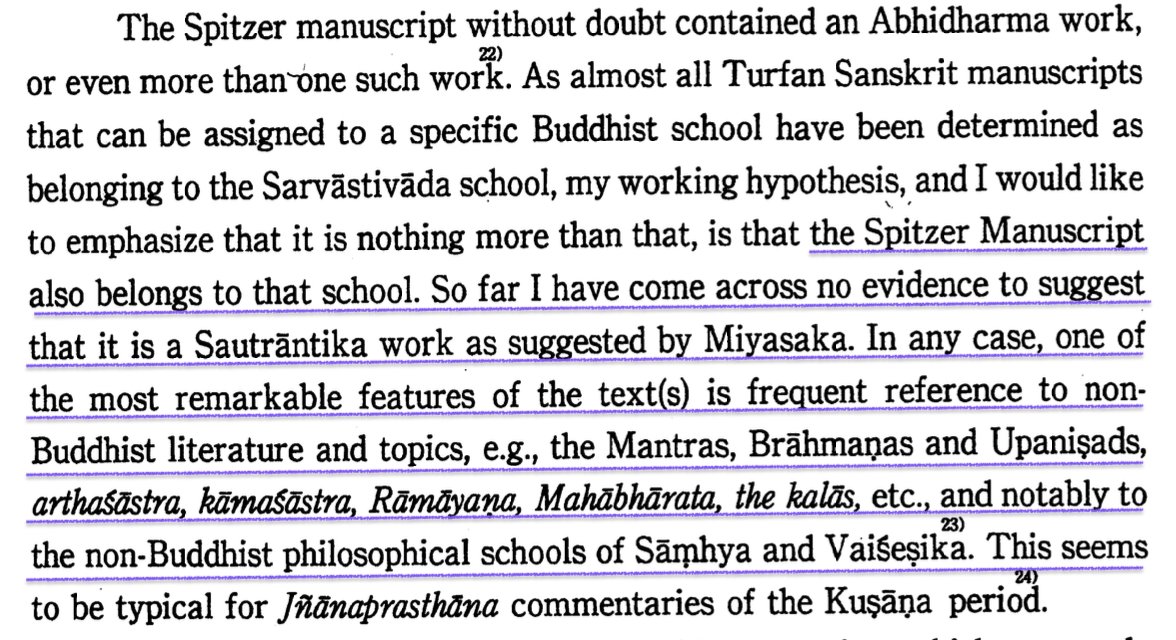
Deep Evidence for Chanakya! Recently Devdutt Pattanaik created a storm questioning the existence of Chanakya! Devdutt Pattanaik’s core claim is simple: Chanakya never existed. According to him, “Kautilya,” “Chanakya,” and “Viśnugupta” are three unrelated figures fused together by later Brahmin writers; the Arthaśāstra is a much later text (post-Gupta or even 500 CE); and the entire story of Chanakya overthrowing the Nandas is a retrospective Brahminical invention. As part of this, he repeatedly questions or trivialises Chandragupta Maurya’s historicity! He insinuates that the Mauryan period is exaggerated or misunderstood, and treats the entire Mauryan political revolution as myth rather than documented history. While this author doesn't mind scrutiny of ancient figures, his argument hinges on multiplying names, alleging interpolations, and late-dating the Arthaśāstra in order to detach it from the Mauryan period and declare Chanakya a myth. This is problematic for every student of history. The evidence for Chanakya, however, is sufficient and span across traditions. The Arthaśāstra itself names its author repeatedly as Viśnugupta Kautilya, reflecting the standard ancient Indian practice of using a personal name, a gotra/scholarly name, and a patronymic for the same individual - precisely how Chanakya, Kautilya, and Viśnugupta function across the textual record. The administrative system described in Ashoka’s 3rd-century BCE edicts — Mahāmātras, welfare oversight, judicial ethics, regulated slaughter, and civil administration — aligns so closely with the Arthaśāstra that the Mauryan state could not have been built on its framework unless the treatise predated Ashoka by at least a century, placing Kautilya exactly in the time of Chandragupta. The Spitzer Manuscript (1st–2nd century CE), the oldest extant Samskrit manuscript, contains unambiguous references to the Arthaśāstra and was discovered in a Buddhist monastery in Kizil, Xinjiang, demonstrating that Buddhists studied the text centuries before Devdutt’s proposed date and far from any Brahminical environment — an impossibility if it were a late Brahmin invention. The 4th-century CE Buddhist political manual Kāmāndakīya Nītiśāra explicitly identifies Viśnugupta/Kautilya, author of the Arthaśāstra, as the same strategist who destroyed the Nandas and installed Chandragupta Maurya, providing a direct link between the textual author and the historical kingmaker. Independent traditions across the subcontinent — Buddhist (Mahāvaṃsa, Divyāvadāna), Jain (Nisītha Cūrṇi, Pariśiṣṭaparvan), Hindu and Gupta-era literature (Mudrārākṣasa), and Kashmiri narrative sources (Tantrākhyāyika) — all preserve the same storyline: a Brahmin strategist named Chanakya/Kautilya guiding Chandragupta to overthrow the Nandas. These traditions were often rivals and frequently hostile to Brahmin authority, which makes their unanimous agreement impossible to explain as coordinated propaganda. Even the linguistic objections collapse: “Cina” in the Arthaśāstra refers to the Himalayan Śina region, located by this author adjacent to Ladakh, not Han China. The presence of later interpolations like Roman Dīnāras is no different from the interpolations known in Homer or the Pentateuch, none of which erase authorial identity. When thousands of years of Buddhist, Jain, Hindu, and political-literary traditions independently attest to the same personality performing the same historical actions under the same set of names, we are not dealing with myth-making but with historical convergence of the highest evidentiary value. Chandragupta Maurya’s historicity is in fact far better attested than many ancient kings whom Devdutt never questions. Greek, Roman, Buddhist, and Jain sources independently record his life, reign, and empire. Greek ambassadors like Megasthenes, writing in the 3rd century BCE.


If Chanakya were here, Devdutt’s fantasies would last about as long as the kūśa grass he ripped out when he vowed to destroy the Nandas. Devdutt’s entire thesis rests on one illusion: if he can confuse you with multiple names, shout “interpolation!” a few times, and wrap it in modern caste-politics, maybe just maybe, he can make 1,000 years of evidence of Chanakya’s existence disappear. But the moment you actually look at the sources, his narrative collapses flat. Let’s start with where he doesn’t want you to look: the Arthaśāstra itself. In multiple verses it explicitly names Viśnugupta Kautilya as its author: “विष्णुगुप्तेन आर्यकौटिल्येन च सम्पादितम्” (“Compiled by Viśnugupta the noble Kautilya”) “समाप्तं कौटिलीयम् अर्थशास्त्रम्” (“Here ends the Arthaśāstra of Kautilya”). Devdutt’s primary deception rests on creating two doubts in the reader's mind: first, that since the Arthaśāstra names “Kautilya,” Chanakya must be fictional; second, that if he can push the Arthaśāstra to a later date, then Chanakya couldn’t have existed in Mauryan times or guided Chandragupta. But the moment you place the Arthaśāstra’s author in time, things get murky for Devdutt. Ashoka’s edicts (3rd c. BCE) describe an administrative system of mahāmātras, welfare officers, anti-animal-slaughter days, judicial ethics - all straight out of the Arthaśāstra. The Mauryan empire cannot be founded on a Kautilyan framework if the text didn’t exist until 500 CE. The empire itself proves Kautilya predates Ashoka to at least 4th c. BCE as tradition says. Then comes the Spitzer Manuscript, the oldest Sanskrit manuscript found so far (1st–2nd c. CE), which contains unmistakable references to the Arthaśāstra. And where was it found? A Buddhist monastery in Kizil, Xinjiang - 1000s of miles away from any “Brahmin power structure.” This alone demolishes Devdutt’s claims. Buddhists were studying Kautilya centuries before his imaginary “500 CE Brahmin invention.” Why would Buddhists preserve such “Brahminical propaganda”? They preserved it because it was already an established, authoritative, valuable text. Next comes the knockout punch: the Kāmāndakīya Nītiśāra (4th c. CE) is a political treatise in the nīti-śāstra tradition, written by Buddhist scholar Kāmāndaki (कामान्दकि). He explicitly & admiringly states that the great Viśnugupta/Kautilya who authored the Arthaśāstra was the exact same strategist who overthrew the Nandas and guided Chandragupta Maurya to victory. This is the same storyline attributed to Chanakya in later literature. Why would a Buddhist writer like Kāmāndaki, with zero incentive to glorify a Brahmin minister, directly attribute Kautilya with the same glorious achievements as those of Chanakya the revolutionary? Because they were the same person. The Kāmāndakīya Nītiśāra text is the bridge which conclusively links : Arthaśāstra's Viśnugupta = Kautilya = Chanakya (in later Buddhist/Jain/Hindu sources) Several other Buddhist sources specifically identify Viśnugupta/Kautilya as Chandragupta’s kingmaker. Jain sources like the Nisītha Cūrṇi and Hemacandra’s Pariśiṣṭaparvan identify Chanakya as the very same kingmaker overthrowing the same Nandas for the same Chandragupta. Gupta-era dramas like Mudrārākṣasa assume everyone already knows Kautilya as Chanakya. Kashmir’s Tantrākhyāyikā tradition immortalizes “Chanakya” as the archetype of political strategy. Across all traditions - Buddhist, Jain, Hindu, Kashmiri, Gupta - it is the same man performing the same deeds under different names.That is not myth-making. That is historical convergence, the strongest form of evidence when history spans 1000s of years. As for the multiple names? In ancient worlds, it was perfectly normal. Confucius was also called Kong Qiu, Kongzi, Zhongni. In India: Viśnugupta is the personal name, Kautilya the gotra/scholarly name, & Chanakya the patronymic. One man. Many names. Total consistency. Pretending these names represent three different people is like claiming “Zhongni disproves Confucius.” Devdutt also relies on the mention of “China” and “Roman coins” to push the Arthaśāstra centuries forward. But historian K. P. Jayaswal has already demonstrated that “Cina” here refers to the Śina/Shina Himalayan region of Gilgit, not Han China, which is why the Arthaśāstra uses kauseya and chinapatta, neither of which are Chinese words. And yes, references to Roman dīnāra are probably later interpolations - just like the many interpolations in Homer, the Pentateuch, or Euclid. No scholar ever claimed that these interpolations proved the authors never existed. Devdutt deploys this strategy only because he needs the text to look late, so that he can detach it from Chanakya and declare him a “Brahmin myth.” Then comes the collapse of Devdutt's obsessive caste narrative. The earliest sources calling Chanakya a Brahmin are Buddhist and Jain works not Hindu ones - traditions which historically resisted Brahmin power. The Mahāvaṃsa (Buddhist), the Divyāvadāna (Buddhist), the Nisītha Cūrṇi (Jain), and Hemacandra’s Pariśiṣṭaparvan (Jain) all identify him as a Brahmin minister centuries before Hindu traditions elaborated the narrative. If “Brahmins invented Chanakya,” why do rival traditions repeat the same identity independently? Because they were recounting historical memory, not mythic propaganda. So to make it crystal clear: Chanakya, Kautilya, and Viśnugupta are not three different people - they are simply three traditional names for a single historical strategist. This is exactly how ancient India named its great thinkers: a personal name (Viśnugupta), a gotra or scholastic name (Kauṭilya), and a patronymic (Chanakya). Tradition even preserves additional variants like Dramila, Draumina, Vishamashila & Anśula. Every independent source - Buddhist, Jain, Hindu, Gupta-era, Kashmiri all uses these names interchangeably for the same individual performing the same political revolution. This is not ambiguity; this is unanimity. One mind. One statesman. One architect of empire. Three names, one genius - exactly as ancient Bharat preserved its greatest figures. Bottom line: three competing religious traditions which often competed as rivals, sometimes even hostile to each other - all remembering the same brilliant strategic genius of Magadha, overthrowing the same Nanda for the same Chandragupta Maurya in the same century CANNOT be coincidence. Devdutt winning the lottery while filming a TikTok and getting struck by lightning inside a volcanic eruption is statistically more likely. There is no “Brahmin propaganda.” There's only history refusing to bow to Devdutt's nauseating political biases and casteist agenda. When such an overwhelming number of Bharatiya traditions, texts, chronicles, and political manuals over 2000 years point to the same genius - Chanakya/Kautilya/ Viśnugupta with the same narrative, then you don’t get to call him a myth and get away with it! Devdutt’s article isn’t researched scholarship; it’s the same old casteist provocation wrapped in pseudo-history which crumbles instantly like a soggy biscuit in hot tea - the moment primary sources are allowed to speak.


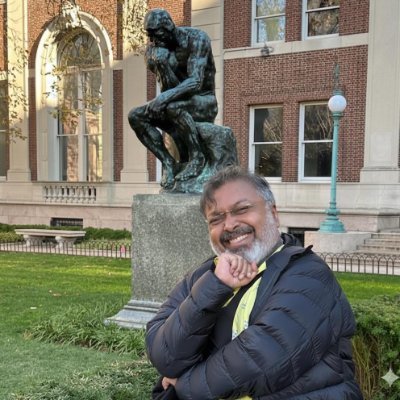
There is no historical evidence that a man called Chanakya ever lived during Mauryan times. What we have is a story based on later Buddhist & Jain chronicles & Sanskrit plays like Mudra-rakshasa, all imagined after 500 AD... Read more... newindianexpress.com/magazine/2025/…


David Ullrich @DavidUllrich202
58K Followers 50K Following Humankind has not woven the web of life. We are but a thread within it. Whatever we do to the web, we do to ourselves. Chief Seattle 1782 ― June 7, 1866 🏳️🌈
Shermy @ShermyBiharie
2K Followers 1K Following And now here is my secret, a very simple secret: It is only with the heart that one can see rightly; what is essential is invisible to the eye…
AKash Chaudharry @thaynazinhaaa67
209 Followers 3K Following Microcap investor | Swing trader | Focused on asymmetric opportunities backed by research & risk control | MSc Topper 🎓 | Not SEBI registered | No recos
Scalplt(Private) @0nxtplse
62 Followers 1K Following Ideas shared are NOT recommendations of any kind, just personal thoughts. I may sell or buy any position at any given time.

BSS - Bharat Supply &... @BSS_Alliance
1K Followers 2K Following Bharat Supply & Support of Military Materials and Advance Technologies. BSS Materiel Ltd. | https://t.co/5J1LkU281B BSS Advance Technologies | https://t.co/cZrV4IxZ7d
Indiancitizen @Indianciti07
3K Followers 4K Following Proud indian. Expressing my views as a common man..RT's and tweets are strictly personal and not endorsements..Abusers will be blocked.. 💯 follow back
Vijaymantri @DevineMelo14235
93 Followers 843 Following CA by training. Ex AV Birla Group, Ex HDFC MF,Ex CEO & MD Deutsch MF and PGIM MF. Founder- VMFSPL,Student of market/economy. [email protected]
Stable Investor_ @manbahyauna
7 Followers 91 Following Dev Ashish, Founder (StableInvestor) | SEBI-Reg. Investment Advisor | Helping people achieve Financial Goals & Invest better | Services - https://t.co/pChpPHZh44
Stock Market Insights... @Himansh87461533
97 Followers 1K Following 💡Become an Informed Trader and Investor! 🚀Follow for daily stock market and finance news! 📊 #Nifty #Stockmarketindia #Stocks (Latest updates in highlights)

The_Chartians @AngelS4367485
199 Followers 2K Following Classical Chartists | Passionate Traders On a Mission to Simplify Technical Analysis | SEBI Registered RA | INH000010405
lily owen @owen_lily7365
756 Followers 7K Following I'm a very good looking lady I looking for a good and honest person
Lonny Bashirian @LBashirian46157
148 Followers 5K Following
Yasminbanknifty @yasminbanknifty
640 Followers 7K Following CLICK ON BIO LINK TO GET 99% ACCURATE BANKNIFTY AND NIFTY CALLS ABSOLUTELY FOR FREE 👇👇❤️💸💸🇮🇳🇮🇳🇮🇳💯💯👇👇👇
Aria @devan_jenk60512
194 Followers 7K Following
Stuti Mankad @mankad_stuti
3 Followers 87 Following Günlük finansal yatırım bilgisi için beni takip edin.
Darshit Paitel @jota64962839
222 Followers 3K Following “Stock Market is Mahabharat- Be your own Krishna” Investor Since 2008 | Ex Banker | Stock Market Learner
equity & banknifty @equityx2023
1K Followers 7K Following Click on MY BIO LINK TO GET 99% ACCURACY BANKNIFTY CALLS ABSOLUTELY FOR FREE 🇮🇳🇮🇳❤👇👇
Giovanni Thompson @GiovanniT4539
123 Followers 3K Following
Trading Hustlerr 📈 @ruuuuchi01
63 Followers 1K Following Stock Market, Cricket | Swing & Positional Trader | Breakout Charts | Not SEBI regd. | Trend Follower! Chasing Clean Base Breakouts! DMs are open!
Elina @EwaldCruic80551
195 Followers 7K Following
aassaa @aassaa340
189 Followers 403 Following
Ernawathi EW @ErnawathiEW
263 Followers 517 Following
High-Quality Stock Sp... @wzx8pzz7cf70424
3 Followers 369 Following Stock Market Analysis Buy and Sell High-Quality Stocks 📈 | Manage Your Positions Follow @FoCoBanShop on Twitter Daily High-Quality Stock Recommendations 📈 |
DHIKEU @DhikeJKT48RP
239 Followers 500 Following
Courtney perry @courtneyperry63
349 Followers 662 Following
JoyceMaggie @J64AW3m34AUV0
50 Followers 967 Following I’m too busy working on my own grass to notice if yours is greener.
Asosnjaman @Asosnjaman2
248 Followers 499 Following
yasir iqbal @yasirg4s
235 Followers 440 Following
fura @fura668
189 Followers 425 Following
Ladarius Jacobs @JacobsLada51863
82 Followers 5K Following
Chander _Bhatia @Kikobernal65
58 Followers 798 Following Long term investor(since 1994-95), Life long learner, Sports enthusiast, Book lover and Co-Founder and Chief Investment Officer, Seers Fund Management Pvt. LTD.
Thea @zachary_ri52797
223 Followers 7K Following
Arletta @FmQfJ83B8L8MP9
53 Followers 1K Following I’m not a backup plan, and definitely not your second choice.
Advait Aroora @sandra973139462
187 Followers 2K Following I 💕 to ✍️ on : #Money💰 #Investing💵 #Compounding🌿 #Stocks📊 #Finance 📶 Student of markets since 2001, Some multibaggers, many lessons, always learning.
Victoria @LQ4B0Da27Qrdl
24 Followers 841 Following Sometimes the most productive thing you can do is relax.
Savannah @7D4f8sWDc8I6L4
38 Followers 1K Following
BlueChipDeals🇺🇸 @Rircarj6785908
41 Followers 2K Following 15-30% Monthly | 2 High-Conviction Stocks.Short-Term Gains: 15-20% in Days/Weeks.DM "JOIN" for WhatsApp Alerts. Live Trade Signals • Market Analysis
Merl Mertz @MerlMertz19310
128 Followers 5K Following
Sandeep @IndiaUnleashed_
11K Followers 10K Following Let's all pay our taxes truthfully. Vote for Growth for next generations Love Sci-fi, Old Hindi songs, Novel addict .... Alistair Macleans --- Arthur C Clark
IreneRebecca @8I9YopwgNCaABVs
153 Followers 1K Following Hello, please take care of each other and be friends.

Tirthesh Shah @TirtheshShah302
166 Followers 565 Following Retweets are not endorsements. Market Professional with 15years of experience Candidate for CFA level 3 Exam August 2023
The Rocket Media @TheRocketMediaX
8K Followers 298 Following On a mission to Make India a Tech Savvy Nation || Let's make India Great Again 🇮🇳
Attentive investor @stockmarket8058
12K Followers 543 Following we provide quick, reliable & key info🎯 data driven analysis🧬 Analysing market trends Not SEBI registered. 📊 Follow for Daily Updates
Amit Arora 🇮🇳 @GuruShareMarket
18K Followers 354 Following 100+ Taught 🧑🏫 Smallcaps and SME are love ❤️ Not SEBI Registered | NO BUY SELL , NO F&O | DM for Guidance, IPOs & Stocks exclusive community 🇮🇳
Rahul @sairahul1
124K Followers 786 Following Building with AI. Sharing what's wild, what's practical, and what's next. Founder of https://t.co/IfYUA3MgDK and https://t.co/jeqp1MyNtk
Sulekha Tripathi @sulekhat95
9K Followers 12 Following I don’t code. I build leverage with AI. AI tools • vibe coding • helping builders turn ideas → products → traction
Ali Azar @MrTalkStock
26K Followers 576 Following Founder: Magnus Hathaway Investments || Chartered Accountant || Insights on Stock Market, Economics, Geopolitics. Premium Advisory @ Magnus Hathaway (SEBI RA)

Dr Rajesh Patil @DrRajeshPatil20
6K Followers 4K Following


The Tycoon Mindset @tycoonmindset05
29K Followers 306 Following Directional Option Writer | Techno Funda Momentum Investor | Sharing Value based Content | Students of Mr. Market | 🇮🇳
Kruti Shah @_ShahKruti
4K Followers 1 Following Not Investment Advice Follow for global equities updates #globalequity #stockinsight Head @exencial_RP
INDIA EYE NOW NEWS @india_eye_now
26K Followers 466 Following Real-time updates on conflicts, geopolitics & Indian politics | India–Pakistan & Middle East focus | OSINT + commentary | DM for brand deals & sponsorships
CuriousInvestor @arc1471
37K Followers 40 Following Engineer,CFA Level 2 & CMT Level 3 Candidate. CFTe. Learning what is not Taught. Tweets are for educational purpose only. Not a SEBI Registered Adviser
Krijuna Research & An... @KrijunaResearch
2K Followers 28 Following Strategic Stock Insights | Focused Wealth Creation | Disc: Not Investment Advice | Founder- @Mr_HBajaj SEBI Registered RA No: INH00001488|BSE ENLISTMENT- 6019
Karan Datta 🇮🇳 @Datta_karan
30K Followers 1K Following Investor. Thinker. Speaker. Sprinter. National security. Counter terrorism. Bharat First. #KaranDatta
Rooted Soul @AncientSoul06
6K Followers 2K Following Techie | Temples, Roads & Mysteries | No DMs/Tags
Bṛhat | बृह�... @brhat_in
34K Followers 13 Following Bṛhat is a Culture Engine for Indian Knowledge Systems. Culture | Education | Leadership | To Consult, write to [email protected]
Defiant Ghost @TheDefiantGhost
106K Followers 356 Following Unfiltered truth from the shadows. DM for removal.

Manuscripts & Inscrip... @midf_org
5K Followers 0 Following Building India's unified, Unicode-compliant knowledge infrastructure for manuscripts and inscriptions Donate : https://t.co/tg064qamFO
TruthCapital @ramesh_vd
2K Followers 168 Following Business Analysis using core concepts All information and insights shared for learning . Not to be seen as recommendations. Not SEBI registered.
Pattern Preacher @chanakyaspeakss
3K Followers 705 Following Economist | OSINT | History | 🥊 mis info & anti-Indian bias via clarity and Evidence | ADHD | AI Film Making | Anime | Incredible India Brand Ambassador |
Dr. Leah C. Stokes le... @leahstokes
99K Followers 4K Following Prof. climate + energy policy UCSB. Alum @MIT @Columbia @UofT. Host @degreespod. bluesky: @leahstokes.bsky.social - Cuts pollution! Proudly Canadian.
Zeke Hausfather @hausfath
91K Followers 723 Following "A tireless chronicler and commentator on all things climate" -NYTimes. Climate lead @stripe, writer @CarbonBrief, scientist @BerkeleyEarth IPCC AR7 lead author
Dr. Genevieve Guenthe... @DoctorVive
72K Followers 1K Following Founding Director @EndClimtSilence | Author "The Language of Climate Politics"
Assaad Razzouk @AssaadRazzouk
155K Followers 16K Following Book: https://t.co/Rl65JlhPNB. YouTube: https://t.co/OjGOUfgWpy Podcast: https://t.co/PKFdELe1af
Jesse D. Jenkins @JesseJenkins
105K Followers 11K Following Professor of Energy Systems Engineering & Policy @EPrinceton & @AndlingerCenter. Co-founder Firma Power. Advisor to climate tech companies & investors.
Jigar Shah @JigarShahDC
80K Followers 1K Following husband, dad, serial entrepreneur, podcaster, democratizing the electrostate by deploying at scale. It's simple, not easy.
Jan Rosenow @janrosenow
48K Followers 499 Following Professor of Energy & Climate Policy at Oxford University Energy programme lead @ecioxford @OrielCollege Senior Associate @cisl_cambridge
Mark Z. Jacobson @mzjacobson
47K Followers 435 Following Prof-Civil & Env Eng; Director-Atmosphere/Energy Prog; Research-climate, air pollution & clean/renewable energy; Cofounder-Solutions Project/100% Movement
AukeHoekstra @AukeHoekstra
51K Followers 265 Following @aukehoekstra.bsky.social Debunking scare stories about electric vehicles and renewable energy. Director https://t.co/Xl5y2HfgHW @TUeindhoven. Founder https://t.co/2cYr8kuLMq.
Nicole Kelner @NicoleKelner
18K Followers 1K Following I make art and mindful tech 💖 Author of Quietest Places in New York City 🗽 Founder of Free Time: the mindful screen-time app 🧘♀️ Climate artist 🌱
Michael Thomas @curious_founder
48K Followers 776 Following Founder of @CleanviewEnergy and Distilled. I make and post a lot of charts to try to better understand the world around me. Subscribe to my newsletter below:

విష్ణు �... @vishnureddy_899
6K Followers 3K Following An Average Hindu of this Nation and Who Believes In Human Rights | Sanatana | #FreeHinduTemples , All Tweets Are Permitted by #NAWAB Saab . Article 19 (1) (a)&

Tejaswi Palam | AI In... @TejaswiPalam
2K Followers 2K Following Tracking India’s next industrial supercycle. Power | AI infrastructure | Defence | Electrical Grid | Finding bottlenecks before markets price them


Dadan Kumar Singh @dadankumar1
4K Followers 121 Following A hardcore Medical learner & part time #Optiotrader, #Investing in #Smallcaps & #Microcaps & #Pennystocks Not SEBI Registered so don't follow my suggestion😂
Prateek Dhawan @PattyInnovate
13K Followers 105 Following Founder @ DG Propulsion Building jet engines in India. Testing. Production. Scale. Propelling India forward.
Parth Goyal @StocksRoyale1
14K Followers 168 Following I live & breathe markets | Research Analyst @NDTVProfitIndia
Shermy @ShermyBiharie
2K Followers 1K Following And now here is my secret, a very simple secret: It is only with the heart that one can see rightly; what is essential is invisible to the eye…
Lalit Rathi - LKR @lalitinvestor
34K Followers 89 Following The next cycle will be 10x bigger than previous cycle.
Proxy Gyan @ProxyGyan
19K Followers 11 Following Preparing for UPSC? Let's get back to basics as we help set you up for your inevitable glory. https://t.co/Hzp1txjbUE
Aarti Tikoo Singh @AartiTikoo
194K Followers 261 Following Founder & Editor-in-Chief @TheNewIndian_in Ex-@timesofindia @hindustantimes @ians_india @UN @BBCWorld Alumna @ColumbiaSIPA Uprooted Displaced KashmiriTrends for United States
You might like