Flow Wager 🃏 @FlowWager
Predict. Win. Repeat. Join the ultimate prediction platform where your knowledge pays off. Trade shares on real events and win big , built on @flow_blockchain flowwager.xyz Joined December 2023-
Tweets181
-
Followers454
-
Following41
-
Likes187
I am excited to announce an upcoming @iEx_ec developer workshop focused on Nox Protocol and how it fits into a real developer workflow.We’ll be talking about privacy in Web3, confidential app design, and the kinds of products builders can create with Nox.We’ll also have a live AMA with @amaitariphilip so builders can ask direct questions and learn from a senior dev perspective.If you’re curious about Nox, private DeFi, confidential tokens, or RWAs, this session is for you. Register here luma.com/3lga6ml3. #iExec #NoxProtocol #Web3 #DeFi #Privacy
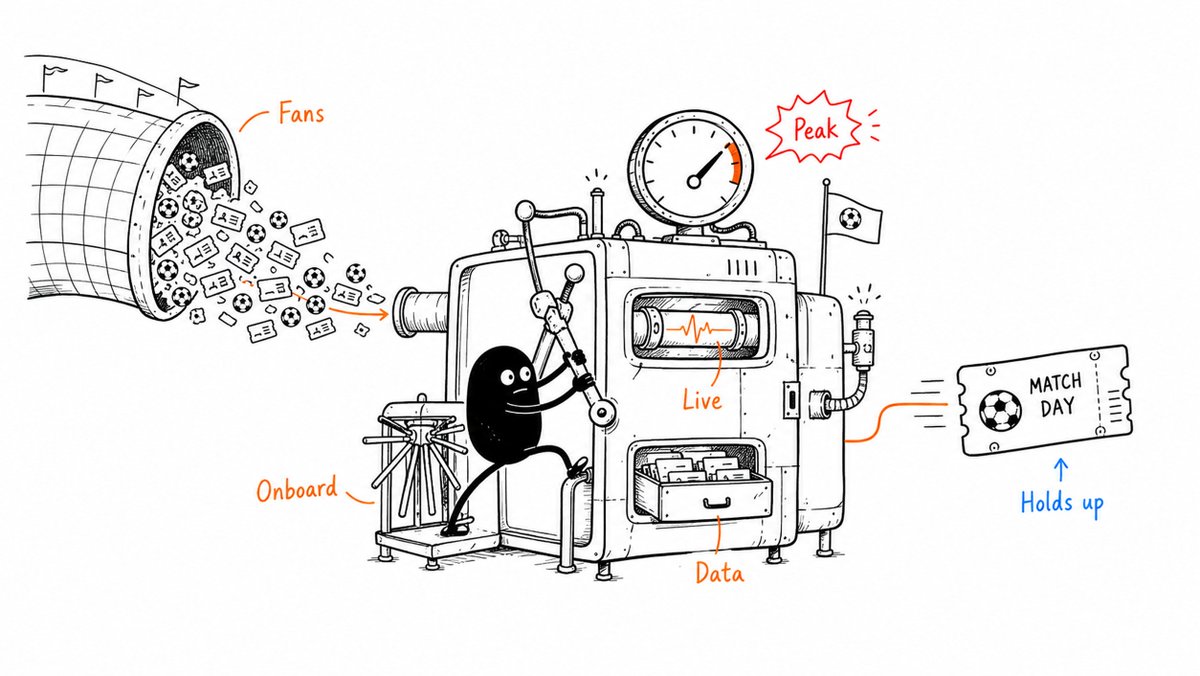
Building national team Fan Token products on @Chiliz means building for event-scale demand. That’s what makes this part of the ecosystem so important, With club communities, engagement can be more consistent over time,But national team moments are different. When a major tournament gets close, everything speeds up at once this means more fans show up, emotions kick in,more traffic hits and more people want to interact in real time. For builders on Chiliz, that changes the job. It’s no longer just about launching a Fan Token. It becomes a product and infrastructure challenge. You have to think about easy onboarding, smooth access across regions, reliable data, real-time fan engagement, and apps that can still perform when attention suddenly spikes and that’s why national team Fan Tokens on Chiliz are so interesting because they don’t just test token demand. They test whether builders can create products that hold up when the biggest moments arrive, and with global football moments getting closer, that’s exactly the kind of challenge worth building for. $BELG $SFA $ARG $SAFA $CHZ
If you’re just starting to learn Nox, don’t try to understand everything at once ,a better way is to start with the key ideas that make the whole system easier to follow,here’s where I think builders should start. First: understand the problem Nox is solving At its core, Nox is trying to solve one of the biggest gaps in Web3,how to build on-chain apps without exposing all sensitive data publicly,this matters because most blockchain apps today are public by default. Wallet activity can be tracked. Balances can be seen. Payments can be followed. Positions can be monitored. Nox introduces a different direction,useful on-chain apps with privacy built in. Second: explore confidential tokens This is one of the easiest entry points into the Nox ecosystem ,It helps you understand how privacy can extend to the asset layer, not just the smart contract layer,once you understand confidential tokens, you start to see how privacy can affect: balances transfers token flows user-facing financial products That is where the Nox story starts to feel much more practical. Third: look at confidential vaults this is where examples like cVault become useful,they show how privacy can fit into an actual DeFi product, not just an abstract concept, In normal public vaults, a lot of valuable information can be exposed starting from user balances positions ,strategy behavior and treasury activity Confidential vaults suggest a better model,stay on-chain, but protect sensitive data. Fourth: understand selective disclosure This is one of the most important ideas in the Nox ecosystem ,privacy is not always about hiding everything from everyone,sometimes it is about making sure the right people can access the right information when needed,that matters because real financial products often need both:privacy from the public access for auditors, regulators, compliance teams, or approved participants.Selective disclosure is what makes the privacy model feel more realistic. Fifth: ask what this changes for builders once you understand the ideas above, the next question becomes,what can I actually build with Nox? And that is where Nox starts to click. You stop seeing it as just a privacy tool, and start seeing it as a way to design more serious on-chain financial products. So if you’re learning Nox, I’d start in this order, understand the problem, explore confidential tokens, look at confidential vaults and learn selective disclosure then think about product design. For me, that is the cleanest way to approach Nox as a builder,not by learning every detail on day one,but by understanding the product direction first. @iExecDev @iEx_ec @edenbdn @martinlecl $RLC #iExec #NoxProtocol #Web3 #Privacy #DeFi

What I’m learning about Nox so far The more time I spend learning about @iEx_ec Nox, the more I realize it is solving a problem that a lot of people in Web3 have quietly accepted for too long and that problem is this, most on-chain finance is too public. When I first started looking into Nox, I thought of it mainly as a privacy tool ,but the more I read, the more I started to see that it is bigger than that,Nox is not just trying to “hide data”,It is trying to make privacy usable inside real Web3 applications,that is a very important difference. A lot of blockchain apps today are built around full transparency, balances can be seen, transfers can be followed and positions can be tracked,In some cases, that openness is useful because It helps with verification and trust, but the more I think about real product use cases, the more obvious it becomes that full transparency is not always a good design choice,If you are dealing with DeFi positions ,treasury activity ,payroll,vault strategies,RWA-related financial data. then exposing everything publicly can become a problem very quickly,that is one of the reasons Nox has caught my attention.What I’m learning is that Nox is trying to create a different model for Web3 apps. A model where you can still build on-chain, still use smart contracts, still stay inside the Web3 ecosystem, but not force every sensitive piece of information into public view,That changes the way I think about building. Instead of asking only,“How do I put this on-chain?” Nox makes me think“What should stay public, and what should stay protected?” And honestly, I think that is a much better design question,The technical side is also interesting.Nox is not just talking about privacy in a vague way. It is trying to support confidential smart contracts, confidential tokens, and private financial flows in a more structured way,That makes things like: private balances, selective disclosure ,confidential vaults and privacy-friendly token systems feel more practical and less theoretical. Another thing I’m starting to appreciate is that privacy here is not being treated like some extra feature added at the end, It feels more like part of the application architecture itself, that matters, because I think the future of Web3 will need more than transparency alone. If blockchain wants to support real users, serious builders, businesses, and institutions, then privacy cannot stay optional forever.People want the benefits of being on-chain but they also want control over sensitive information. So far, that is probably my biggest takeaway from Nox,it is making privacy feel more buildable and not just something to admire as an idea. Something developers can actually start thinking with. Still learning, but that is what stands out to me most right now. @edenbdn @iExecDev @martinlecl $RLC docs.noxprotocol.io/getting-starte…

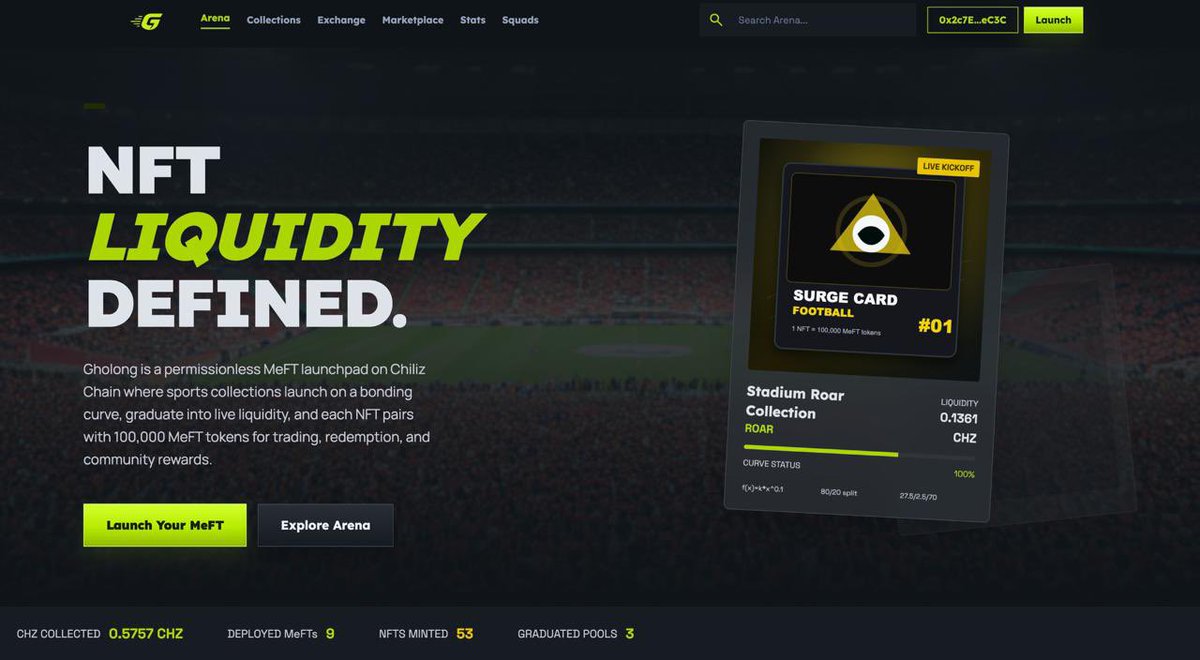
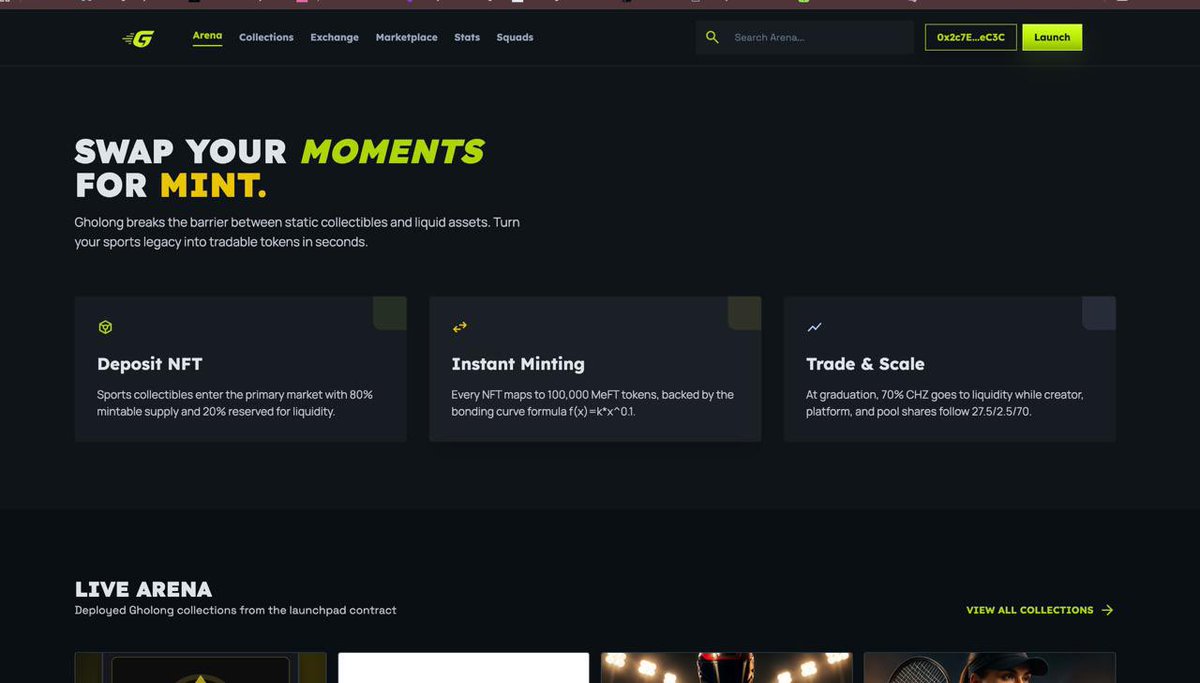
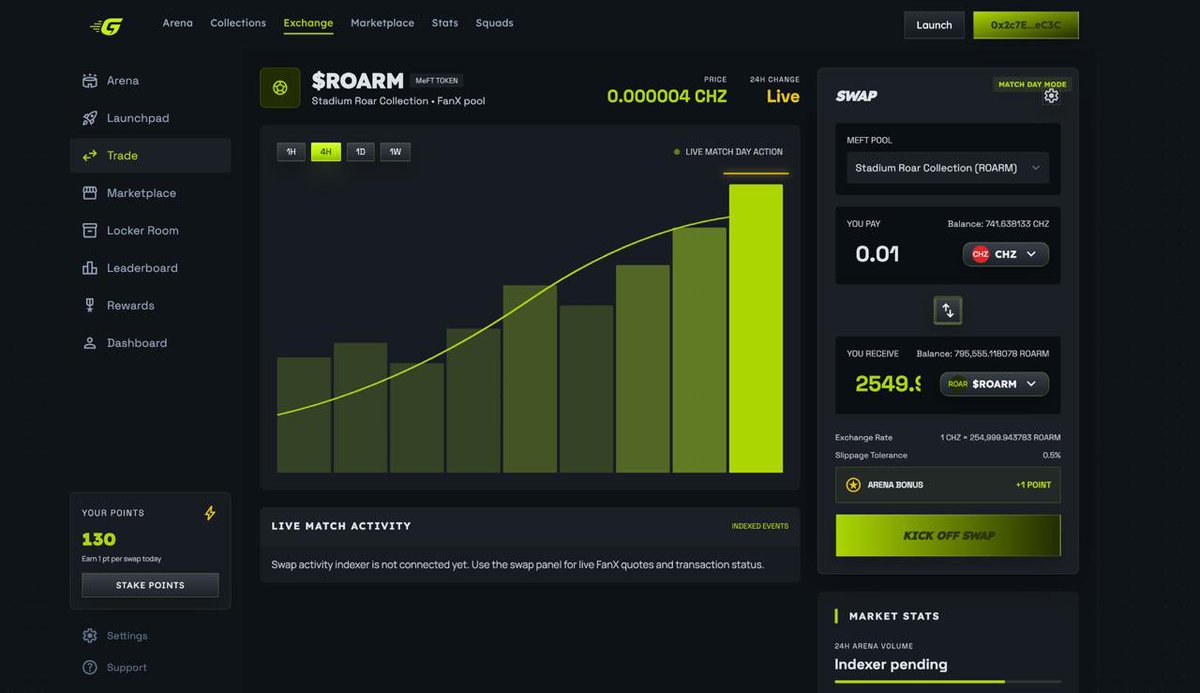
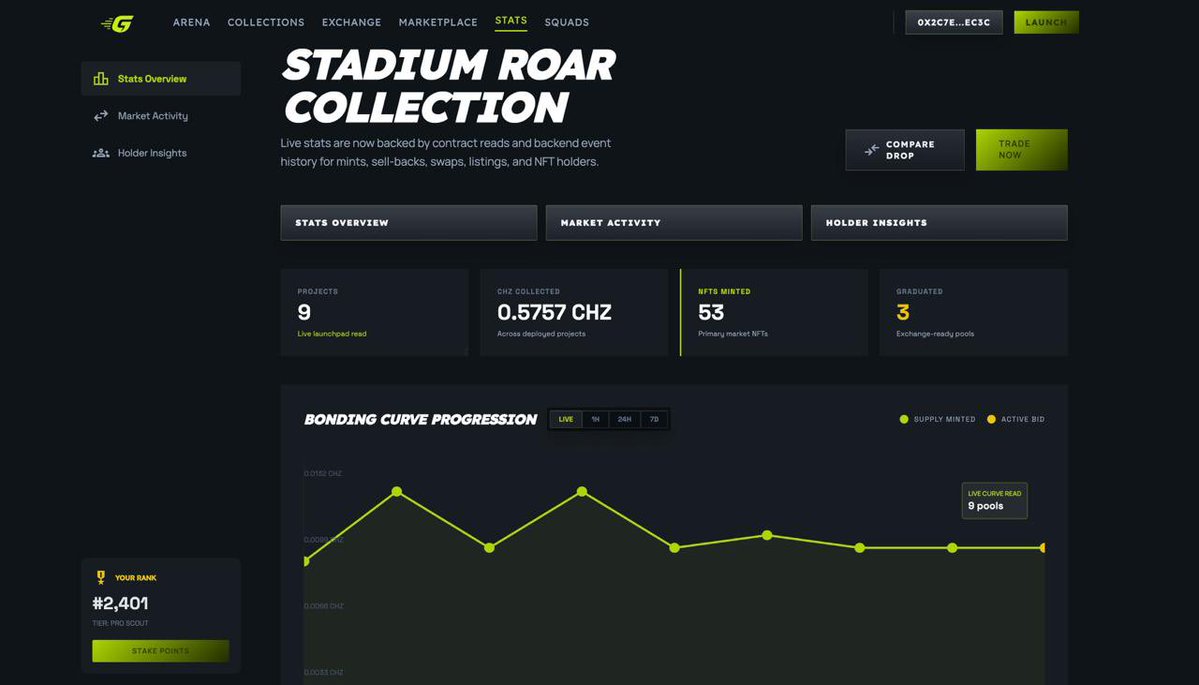
One thing I want to make clear about @GholongHQ I do not see it as just another #NFT marketplace. The bigger goal is to build an ecosystem around sports collectibles where launch, liquidity, rewards, and utility all connect in a more complete way on @Chiliz . $CHZ

How the Winners of the @iEx_ec Vibe Coding Challenge Used Nox Protocol Privacy in crypto is often talked about as a feature. But in practice, it is much more than that. It changes how products are designed, how users behave, and what kinds of applications can exist on-chain in the first place.That is what made the iExec Vibe Coding Challenge interesting.All three winning projects used iExec Nox, but they did not use it in the same way. They each took the same privacy infrastructure and applied it to a different real-world problem: Diam by @BangDropID used Nox to build a private OTC trading experience RWA OS by @0xSelmgx used Nox to build confidential real-world asset operations DarkOdds by @winsznx used Nox to build a privacy-first prediction market What stands out is that none of these teams used privacy as a gimmick. They used it to improve how the product actually works. First, what does Nox Protocol do? In simple terms, Nox helps developers work with encrypted values on-chain.Instead of sending sensitive data like balances, amounts, or positions in plain text, an app can turn them into confidential handles. The app can then perform certain operations on those encrypted values without revealing them publicly.That matters because most blockchain apps are transparent by default. Anyone can often inspect a wallet, a trade size, or a user’s position. Nox changes that model. It lets builders keep sensitive information private while still using on-chain logic. That is the foundation all three winning projects built on. 1. Diam: Making OTC trading private Diam is a confidential OTC trading protocol. OTC stands for over-the-counter trading, which usually means two parties agree on a trade directly instead of going through a public exchange.This is a good use case for privacy because large trades on public markets reveal too much. If someone wants to trade a large position, other traders and bots can react to that information. That can lead to front-running, slippage, and worse pricing.Diam solves this by using Nox to encrypt key trade data before it reaches the chain. In the repo, the encrypted flow is used for: sell amounts minimum acceptable buy amounts sealed bids in RFQ mode So while people can see that a trade exists, they cannot see the actual amount or price terms behind it. What made Diam especially strong is that it did not stop at hiding data. It used Nox as part of the market logic itself. In direct OTC mode, a taker can submit a bid against a maker’s hidden minimum. The contract checks whether that bid is sufficient using confidential logic. If the bid is too low, the system can settle in a way that does not publicly reveal that rejection. That is an important privacy improvement, because normal transaction failure often leaks information. Diam also adds RFQ mode, where multiple takers can submit sealed bids. The project then uses confidential comparisons to compute a second-price outcome. That brings private price discovery into the protocol, which is much more interesting than just storing hidden balances.The simplest way to describe Diam is this: it used Nox to make trading quieter, fairer, and harder to exploit. 2. RWA OS: Bringing privacy into real-world asset management RWA OS took a very different path,Instead of focusing on trading, it focused on real-world assets, where privacy is often tied to ownership, compliance, and reporting. In that world, the challenge is not only to hide balances. It is to control who can see what, when they can see it, and how that information is recorded. RWA OS uses Nox-based confidential token primitives to keep asset amounts private, but the real innovation is the system built around those private amounts. The project includes flows for: confidential issuance confidential transfers disclosure controls compliance passports audit anchoring settlement vaults This means the app is not simply saying, “here is a private token.” It is saying, “here is a private asset system with governance and compliance structure around it.”That is what made RWA OS stand out. A transfer in this system is not just a balance update. It can require disclosure permissions and can be tied to a compliance record. The team also built a model where public settlement assets can be locked and turned into confidential representations. That creates a bridge between regular token flows and privacy-preserving asset operations. In simple language, RWA OS used Nox to answer a more enterprise-style question: how can sensitive asset activity stay private without losing accountability?,That is a strong and practical use of privacy infrastructure. 3. DarkOdds: Private betting with real payout logic DarkOdds may be the clearest example of using Nox not just for privacy, but for actual product mechanics. Prediction markets sound simple: users place bets, the market resolves, and winners get paid. But if you want privacy, the problem gets harder very quickly. If bet sizes are public, users lose privacy. But if everything stays hidden, the protocol still needs to calculate payouts correctly. That means the app needs private computation, not just private storage. DarkOdds uses Nox to keep individual bet amounts confidential. Users can place bets without revealing their position sizes to the public. But the project goes further than that. It uses a hybrid model where: individual bets remain private,market-wide pool totals can be revealed in a controlled way,payouts are computed with confidential arithmetic and winners can decrypt their own payout privately. That balance is important. A prediction market still needs readable odds and usable market behavior, but users should not have to expose their exact stake to everyone. What made DarkOdds stand out is that it solved the hard part: payout logic. The project uses Nox operations to compute proportional payouts after market resolution. That means privacy is preserved not only when the bet is placed, but also when winnings are calculated and claimed. It also adds selective-disclosure style claim verification, which gives users a way to prove a payout if they need to, without making everything public by default. In short, DarkOdds used Nox to make prediction markets private without breaking the economics of how those markets work. What these projects show about Nox Looking at all three winners together, one thing becomes clear: Nox is not just a tool for hiding balances. It can be used to build: private trading systems confidential asset infrastructure privacy-first market mechanics That is the real lesson from these repos. Diam shows that Nox can support confidential deal-making. RWA OS shows that Nox can support private asset operations with compliance layers. DarkOdds shows that Nox can support private user positions while still enabling payout logic on-chain. Each team found a different privacy problem and turned Nox into a real product feature. The best thing about these three winners is that they make privacy feel useful. They are not abstract demos. They are product ideas shaped by the reality that users do not always want their financial behavior visible to everyone. In each case, Nox was used to improve how the application behaves, not just how it looks on a technical diagram. Diam made private trading practical. RWA OS made confidential asset management structured and accountable. DarkOdds made private prediction markets more believable as real products. Together, they show that confidential on-chain applications are moving from concept to execution. ethereum:0x607f4c5bb672230e8672085532f7e901544a7375


I’m Altcoin-daddy, a Web3 developer, and I’ve been building @GholongHQ on @Chiliz Chain. Gholong was born from a simple frustration: most sports NFTs feel like they stop at mint. A collection launches, people buy in, a little trading happens, and then the experience starts to lose meaning. I wanted to build something more complete. Gholong is a sports-focused Web3 platform designed to give digital collectibles a fuller lifecycle, from launch to liquidity, trading, rewards, and ongoing fan utility. The idea is to create a system where collections don’t just exist as static assets, but become part of a living fan economy. Creators can launch, communities can participate, holders can keep getting value, and the collectible can continue to matter beyond the first sale. That’s the vision behind Gholong: making sports collectibles more alive, more useful, and more connected to real participation in Web3. Still building, still refining, but the direction is clear and special appreciation to @peleroberts and @altugx for their support during the planning phase. $CHZ
Privacy in #Web3 is not only about encryption. It’s also about whether people can actually use the product without getting confused.I’ve been improving #NoxPay, a private payroll and rewards app built with @iEx_ec Nox Protocol. In the latest update, I added: a public demo faucet with limits one-click “claim + prefill shield” onboarding ,role-based onboarding for treasury, recipient, and auditor flows clearer treasury readiness checks before payouts , better recipient dashboard clarity,hidden claimable balance summary so private funds can exist without exposing the amount transaction and treasury payout history better selective disclosure management stronger recovery messages for shield, unshield, treasury, and disclosure errors I made these changes because confidential apps need more than smart contracts. They need good UX. When users are dealing with encrypted balances, decryption, selective disclosure, and gateway timing, the app has to clearly show what is happening, what is still private, and what to do next. That’s the direction I’m taking with NoxPay: making private payroll, rewards, and treasury flows easier to test, easier to understand, and more practical onchain. $RLC

Most DeFi apps today have one big problem they are too public. Your wallet activity, balances, deposits, withdrawals, and positions can often be tracked by anyone.That works for transparency. It does not always work for real privacy. That is why cVault caught my attention. It is a built with @iEx_ec Nox that shows a different idea,what if a vault could still work on-chain, but your sensitive financial data was not exposed to everyone? The cVault page describes itself as a: “Confidential vault” with “Institutional-grade privacy for on-chain vaults” And it highlights 3 key ideas: encrypted balances selective disclosure cERC-7540 async To understand why this matters, start with the problem. In a normal public vault: people may track your balance people may see when you deposit people may see when you exit people may follow your strategy That is fine for open systems. It is not ideal for users, funds, or businesses. cVault is showing a different model: the vault stays on-chain, but the sensitive parts are treated as confidential. That is the real shift. Not leave DeFi. Not hide everything. But use DeFi without exposing more than necessary. This is where Nox Protocol comes in. Nox is iExec’s privacy layer for confidential smart contracts. cvault.demo.noxprotocol.io The basic idea is: smart contracts can work with protected data,while the raw plaintext is not exposed on-chain. So when cVault says encrypted balances, that is a big deal. In normal #DeFi, balances are often easy to inspect. With Nox, the goal is that balance-related data can stay protected instead of being visible in the usual public way. That changes the user experience completely.Then there is selective disclosure.This is one of the most important privacy ideas in Web3. Privacy does not always mean “nobody sees anything.” Sometimes it means: the public cannot see it, but the right person can. For example: A user may want their vault balance hidden from everyone else, but still be able to show it to: an auditor a compliance team a business partner an approved institution That is much more practical than total secrecy or total openness.Nox makes this possible because it is not just about storing data privately. It is about confidential computation.That means the app can still do useful financial logic with protected data,instead of forcing everything into public view just to make the contract work. cVault also mentions cERC-7540 async. That matters because ERC-7540 is about asynchronous vaults.instead of everything happening instantly in one step,vault actions can follow a request-and-claim flow. Why is that useful? Because some financial systems are not instant,Some vaults need time for: processing,settlement,valuation and off-chain coordination,So async vaults fit more realistic financial workflows.Put that together and cVault becomes more interesting It is not just “a private app.” It looks like a vault demo combining: on-chain vault design,async vault flows, confidential balances, and controlled data sharing. Nox-powered privacy This is why I think cVault matters. It challenges the old assumption that DeFi must always mean full public exposure.Instead, it asks ,Can users get the benefits of on-chain finance without giving up normal financial privacy? ,And honestly, that is the right question.Because real users, businesses, and institutions will not want to move serious capital on-chain if every important detail becomes public by default. Privacy is not a luxury. It is part of usable finance. My takeaway,cVault is a simple but powerful example of what Nox is trying to unlock.Not invisible finance and not shady finance.Just smarter on-chain finance,where privacy is built into the product. #iExec #NoxProtocol #DeFi #Privacy #Web3 $RLC

I have been building with #NoxProtocol, a privacy infrastructure for blockchain applications built by the @iEx_ec team. Nox Protocol is designed to make on-chain interactions private without removing the benefits of blockchain. Normally, on-chain payments are fully public. If you send tokens, everyone can see the wallet, the amount, and the balance movement. Nox changes that. It uses confidential values and encrypted handles so apps can process token activity on-chain while keeping the actual amounts private. So instead of exposing sensitive payment data to the whole internet, Nox makes it possible to keep balances and transfers confidential. That opens the door for a new kind of blockchain app: apps that are transparent where needed, but still protect user privacy. With Nox, developers can build things like: private payroll private rewards private treasury distributions private vesting selective disclosure for compliance or audits That’s what I built with it: NoxPay #NoxPay is a private payroll and rewards app built on top of Nox Protocol. The idea behind NoxPay is simple: let teams and organizations send payments on-chain without exposing everyone’s salary, reward amount, or balance publicly. Here’s how NoxPay works: A user starts with a normal token like $USDC. The token is then shielded into a confidential form using Nox. Once shielded, the balance becomes private. The app can still work with it, but the amount is no longer visible in plain text on-chain. From there, NoxPay can be used to manage private rewards, payroll, and other confidential payouts. A recipient can decrypt their own balance when they need to see it. If needed, they can also grant viewing access to another wallet for auditing, reporting, or compliance. That means privacy by default, with selective disclosure when necessary. I also built an unshield flow, so users can convert the confidential token back into a normal token when needed. So the full flow looks like this: normal token -> shield into private balance -> send/manage private payments -> optionally share visibility -> unshield back to normal token What I like most about Nox is that it makes privacy a real design option for on-chain apps, instead of forcing everything to be fully public by default. Still testing parts of the live gateway/decrypt flow, but the core vision is strong: Nox Protocol, built by #iExec, makes private on-chain applications possible. NoxPay is my contribution in that direction. @iExecDev $RLC #Nox
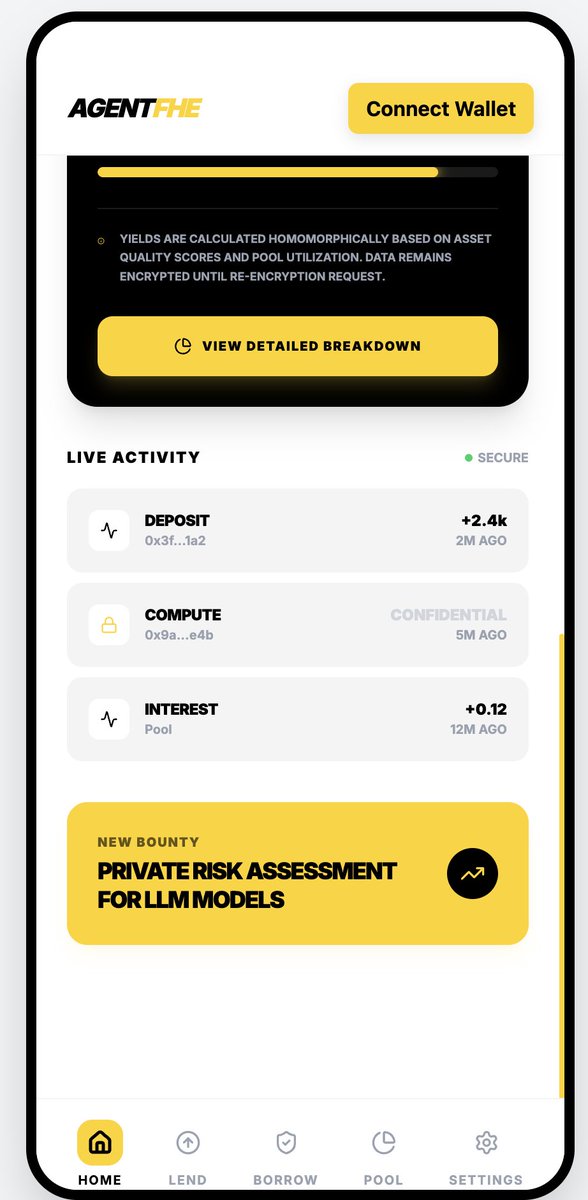
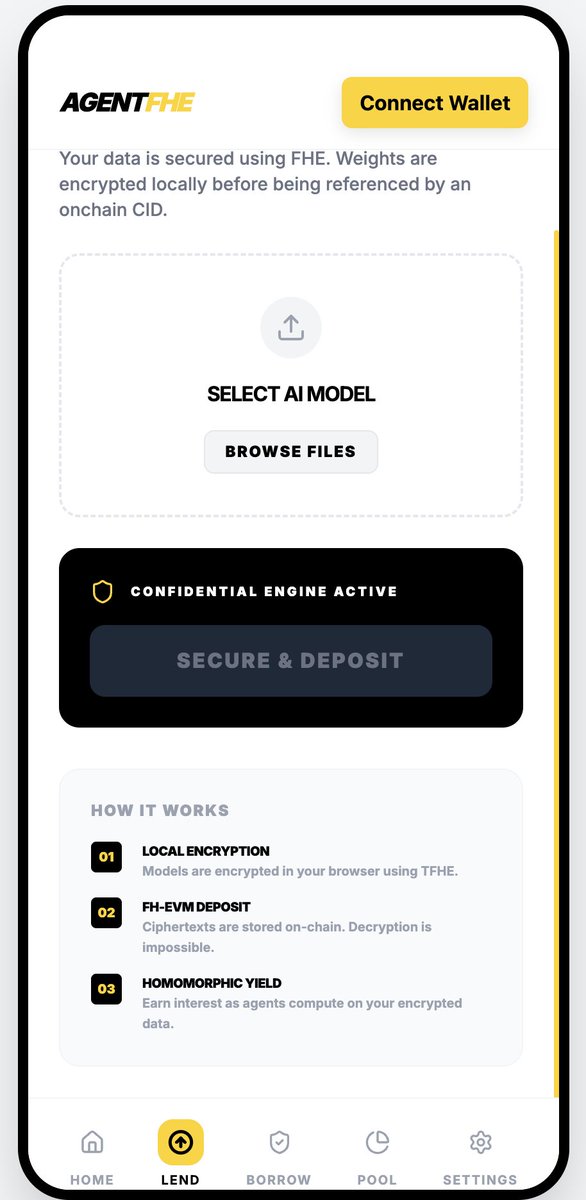
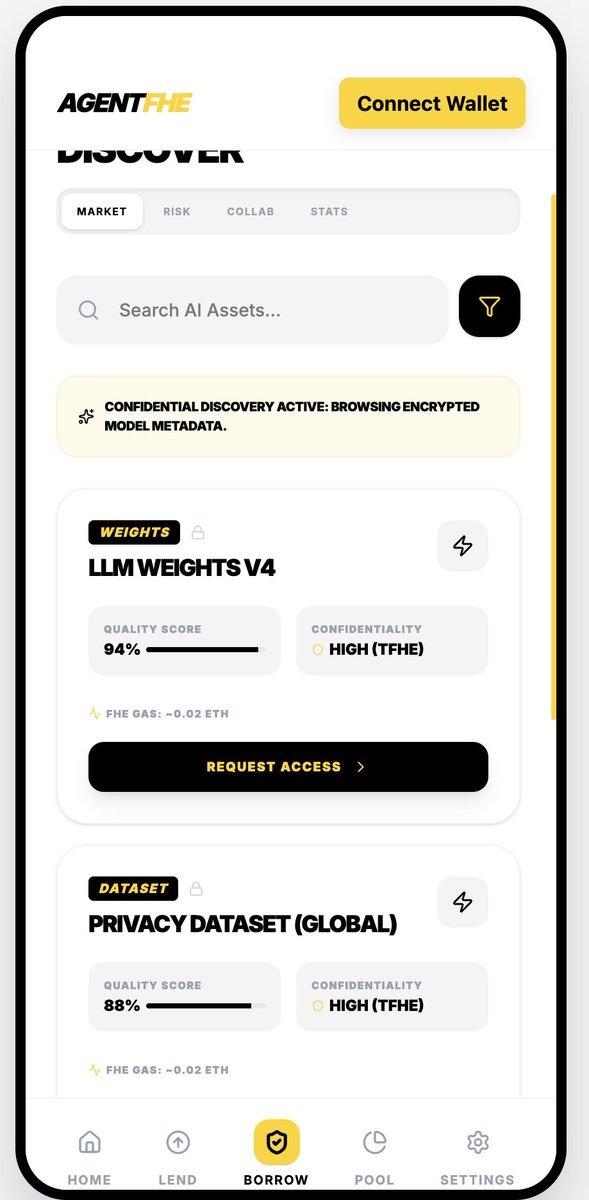
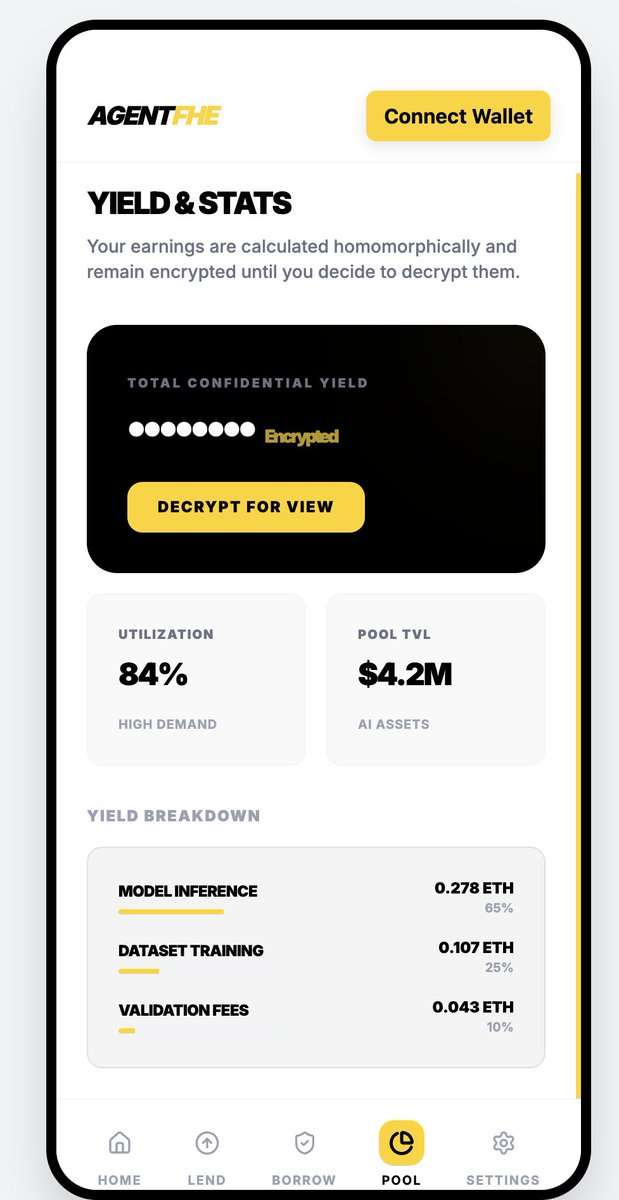
Building AgentFHE for @PL__Genesis hackathon! Lend your AI models/datasets into a shared pool securely encrypted collaborators borrow & compute privately (no one sees your weights) earn confidential yields. Powered by @Zama fhEVM magic. Privacy-first AI collab is here.
@doodlifts @flow_blockchain It’s time to push the button
Don’t forget our mainnet is rolling out soon on @flow_blockchain
We’ve had an amazing time at the @flow_blockchain Forte Hackathon Started small, now we have multiple options, scheduled transactions, and @Dune integrated. Every step felt like magic. We truly believe in the future of prediction markets. So grateful for this journey


@FlowWager @Dune Grateful to have builders like you that can translate the tools Flow has into the experiences users need

Daisyy @Web3Daisyy
2K Followers 2K Following Marketing through alpha stories that convert📈| Community Builder🔨| Space Host🎙️| Ambassador
Echomak @echomakdyor
6K Followers 5K Following Building in the trenches of Web3 | Partner: $SCBK by @saucebook | Smart Contract Dev | Moderator & Ambassador | Space Host 🇳🇬 Nothing here is financial advice
Stefano Guaita @GuaitaStefano90
26 Followers 160 Following Sii te stesso sempre... A meno che tu non possa essere batman... In quel caso SII BATMAN
chibuike jude @CJude35454
12 Followers 276 Following my name is chibuike victor jude I'm 22 years old I'm from imo State but I live in anambra state with my parents I do tiling work and also my online business
OG Junior @OGJunio55218243
30 Followers 2K Following It's a waste of time and data if your smartphone isn't generating money for you AVOID THE NEED TO BE A BROKE MOTIVATIONAL SPEAKER
David Emma @DavidEmma132512
11 Followers 238 Following
Precious Lucky @PreciousLu64829
5 Followers 188 Following
Praise @Praise99093444
34 Followers 2K Following Nothing you wear is more important than your smile.
Patience Isong @isong_pati72255
30 Followers 2K Following
Mbam Emmanuel @MbamEmmanu87976
9 Followers 538 Following
Ikechukwu Francis @Ikfrancis77
16 Followers 546 Following
Israel Adesiyan @Adesiyan2006
17 Followers 439 Following Currently a student, passionate about learning and driven by faith. Striving to make a positive impact. (https://t.co/4tinxVGzZZ 83738)
Promise @Promise02077791
62 Followers 352 Following Ella631 I am a God fearing lady.. Future leaders of tomorrow...... Music addicts.

Michael Danor🐂 @brownsom
690 Followers 4K Following

Ademuyiwa Oyebanji CF... @oyebanjijames3
479 Followers 2K Following I am Film-maker with over fourteen years of experience. I love to use my profession to reform my society...
Funmilade Victoria Ye... @Ye28430Yekinni
14 Followers 497 Following

فواز🐐 @fawazahmed39011
9 Followers 279 Following
Ojo Dale @DaleOjo48879
5 Followers 164 Following
Akin Olaide @AkinOlaide7901
33 Followers 577 Following
Aisha Muhamed @AishaM55450
216 Followers 3K Following Viviendo . Madre de dos hijos 👑Henry👑 Ahmed. Controlador de cuenta
Uncle Bruno @UncleBruno1
18 Followers 191 Following

Promise @Promise1460642
14 Followers 516 Following



Chrissy Kayla @ka26096
11 Followers 751 Following

Dami Lare @lare_dami47847
11 Followers 394 Following
Olajide @jideekun
34 Followers 2K Following
Abdollar Abdullahi @abdollar759
11 Followers 434 Following
Angel Chigoziri @AngelChigoziri
47 Followers 3K Following
Emmanuel Wilcox Jonat... @jo_269_
201 Followers 455 Following Public Administration|Graphic Design|Videography&Photography|Tech&Web3 @jo_269_

PrimeData Ng @SamuelSund42846
11 Followers 273 Following 🔥 CHEAP & RELIABLE DATA DEALS Get Unlimited & Affordable Data Plans ⚡ . Fast Activation . No Hidden Charges . 24/7 Response


Samkhido @samkhido1
57 Followers 5K Following
QUDUS @QUDUS982227
1 Followers 353 Following
kizzo @kizzo1570971
6 Followers 353 Following
Can Yaman001 @Yaman001Ca1584
47 Followers 2K Following

Igbekele Obiade @IObiade
20 Followers 1K Following
Akorede Hammed @AkoredeHam10810
6 Followers 269 Following
The Wolf of Flow @WolfofFlow
515 Followers 781 Following The Wolf of Flow $WOLF. JOIN the pack. NFT now live on @opensea on @flowblockchain https://t.co/4ntyTjEsQ4
Bliubird @aiinterstation
249 Followers 601 Following
OpenSea @opensea
2.3M Followers 4K Following The best place to discover, own, and trade onchain | Get help at https://t.co/f3KCJaxqBz | UK users: @OpenSea_UK

Jason La Canfora @JasonLaCanfora
422K Followers 5K Following father, husband, content creator, reporter, host, betting analyst, democracy uber alles. @BIGPLAY https://t.co/mSIdz6R2R7 https://t.co/ApIMHhMHeH
Matthew Berry @MatthewBerryTMR
1.2M Followers 5K Following 🏈 for @nbcsports NYTimes Best Selling Author of Fantasy Life, @mbfantasylife @glchop Highest grossing actor all-time (on a per movie basis). Girl Dad.
Jimmy’s Sport Picks @JimmySportPicks
206K Followers 231 Following 📲 FOLLOW me for FREE Sports Picks & Data covering NBA, CBB & MLB with over 10+ years experience.
NBA Top Shot @NBATopShot
246K Followers 4K Following 🎥 A better collectible for the next generation. Rip packs, own epic plays, and flex your fandom. Officially licensed by the NBA.
Chainlink @chainlink
1.4M Followers 25 Following The market-leading oracle platform bringing the global financial system onchain → $32+ trillion enabled

ImmutableType.com @Immutable_type
722 Followers 932 Following Empowering Freedom of Speech via Blockchain || Founder of $BUFFAFLOW
Apes Into Stuff @apesintostuff
400 Followers 1K Following Community & Growth @flow_blockchain | Dreamer | Degen | Music Producer
Nocena @nocena_app
1K Followers 236 Following Crypto powered #SocialFI dApp built to help creators profit from their content and have fun! Powered by #Challenge2Earn
Pet Jokic's Horses (M... @petjokicshorses
555 Followers 1K Following Appreciating Nikola Jokic the $MVP, his horses and his @NBATopShot moments

$BETA @TopShotBETA
2K Followers 689 Following Digital Collectibles - DeFi - Degens - dexscreener - https://t.co/dFfNtGccIf
Crossmint @crossmint
31K Followers 227 Following All-in-one APIs for wallets, stablecoins, and agentic commerce
Go WTF Podcast @OverflowNoah
92 Followers 3 Following Go With The Flow (https://t.co/9Ff8eJmFkk) Light one up, talk Web3, and remember that behind every wallet, repo & roadmap... there’s a human being.
Playbook on NFL All D... @RunPlaybook
287 Followers 3 Following The Official Account for Playbook and games on NFL All Day by Dapper Labs.
Flowty @flowty_io
12K Followers 2K Following Secondary Marketplace | NFT Loans | NFT Rentals Discord: https://t.co/xVB5anww0n Sales Bot: @flowtyBot
Packrip Mahoments @PackripMahoment
7K Followers 1K Following #HookEm | Choose Your Hard | How Big Is Your Frying Pan?
NFL ALL DAY @NFLALLDAY
65K Followers 296 Following Official digital collectible of the NFL. Start ripping packs and collecting your favorite stars and rookies today!
roham @roham
82K Followers 4K Following ceo @dapperlabs. cofounder @flow_blockchain. power to the people 🌊
Flowverse 🌊 - Disc... @flowverse_
45K Followers 1K Following Flowverse is a discovery hub for @flow_blockchain
BALLERZ @BALLERZ_NFT
27K Followers 471 Following Ballerz leagues are underway! Build your team and come BALL with us https://t.co/hwppw87h7t
Borngreat Ikwutah @borngreatik23
165 Followers 1K Following Frontend developer | Mobile Engineer | Dev Lead @gdgocuniuyo
Flunks @flunks_nft
10K Followers 3K Following Flunks are cute but mischievous high-schoolers that live and play on the Flow Blockchain. Semester Zero happening NOW! Don’t miss the bus 🚌✏️📓🏫
Paul Barron Network @paulbarrontv
107K Followers 60K Following #1 Crypto Media Company in the USA - Research and insights for #Crypto, #AI, Technology, Investing in #digitalassets led by @paulbarron

Álvaro Lillo | Contr... @TheContractHero
221 Followers 983 Following Smart Contract Imagineer 🔗 | Solutions Engineer @SuiFoundation | prev: @dapperlabs, tech colleges teach and @BolsaBME | Views are my own, RT ≠ endorsement.
0xSerag 🌊 @0xSerag
2K Followers 2K Following Devrel lead @flow_blockchain Ideating, writing about tech and drinking coffee.... Lot's and lot's of coffee.
Sean Robb @SeanPRobb
2K Followers 2K Following Founder / Blockchain Enthusiast / Proud St. Louisian / ex-@dapperlabs / RT's are not endorsements
Luke @eldumbo
13K Followers 2K Following Alxo is my dad. In Pie we trust - @PielandWorld. Self-proclaimed honorary #NLL member. @flow_blockchain community. My tweets are my own 🐕
ALTCOIN D/G\DDY 🇹�... @Altcoin_daddy
10K Followers 682 Following |Traditionalist | Philanthropist | Ai Engineer | Web3 Developer | Project Manager| Tech for Good Advocate | 3X hackathon 🏆| Building @GholongHQ @Sportfi_kit
Brian Doyle 🌊 @random_entropy
657 Followers 663 Following @voidtacticsxyz (https://t.co/F8BlAwkcuO) | Ask me about the alpha! | Building Onchain Games | Embracing the AI revolution | Once a teacher always a teacher
Antoni antoni @antoni_antoni_
3K Followers 4K Following Stealth - formerly Growth @ Flow / Dapper Labs -- Posts are not endorsements, DYOR
doodlifts @doodlifts
15K Followers 6K Following Director of Ecosystem and Growth @doodles | 💍 @mrsdoodlifts | prev: @flow_blockchain
Libruary @Libruary
9K Followers 2K Following Creator of @Vaultopolis | Builder on @flow_blockchain | Physical minimalist, digital-asset maxi | Code • DeFi • Travel
Michael Levy | Flowty... @mbl267_NFT
16K Followers 4K Following Co-founder @flowty_io Secondary Marketplace | NFT-Backed Loans | NFT Rentals on @Flow_blockchain @nbatopshot (ID: mbl267)

Flow.com @flow_blockchain
195K Followers 2K Following Flow is the Home of Consumer DeFi. Where mature DeFi meets consumer UX. Join us at https://t.co/4oC0Omw4Q2You might like