Olga Payar @Olgapaval
Joined May 2021-
Tweets4K
-
Followers89
-
Following1K
-
Likes5K

Mechanobiology meets synthetic immunotherapy. A new Nature Biomedical Engineering study uncovers how mechanical softness creates a stem-like, CAR-T-resistant tumor population—and rewires it into a therapeutic vulnerability. Key findings 🧬 Soft ECM promotes CAR-T resistance Across breast cancer and glioblastoma models, tumor cells cultured on soft extracellular matrix (ECM) were significantly less susceptible to CAR-T-mediated killing despite unchanged target antigen expression. ⚡ Softness triggers an exATP–Ca²⁺ signaling program Soft ECM increased: • extracellular ATP (exATP) • sustained intracellular calcium activity Blocking calcium signaling restored CAR-T cytotoxicity, identifying the exATP/Ca²⁺ axis as a mechanistic driver of immune resistance. 🎥 A genetic "mechano-recorder" captures mechanical history The authors engineered a doxycycline-gated calcium-responsive transcriptional recorder that permanently labels cells experiencing sustained softness-induced calcium signaling. Unlike GCaMP, which reports only instantaneous calcium flux, this recorder stores prior mechanosensing history as a stable fluorescent output for downstream sorting and transcriptomic profiling. 🌱 Softness-induced cells acquire a stem-like program Recorder-positive cells displayed features of cancer stem-like cells (CSLCs), including: • EMT activation • hypoxia signatures • KRAS signaling • CD44↑ / ALDH1↑ / CD24↓ • increased mammosphere formation • softer biomechanics • greater resistance to CAR-T killing Importantly, similar mechanostemness signatures were validated in patient-derived triple-negative breast cancer samples and additional solid tumor models. 🔄 Reprogramming resistance into a target The fluorescent reporter was replaced with CD19, generating a synthetic mechano-reprogrammer. Softness-responsive cancer stem-like cells now expressed CD19, enabling elimination by clinically established CD19 CAR-T cells. This strategy: ✅ restored killing of soft tumor cells in vitro ✅ enhanced CAR-T activation programs ✅ increased T-cell infiltration ✅ improved tumor control in xenograft models when combined with EGFR-CAR-T cells. Why this matters Rather than attempting to eliminate mechanical heterogeneity, this work leverages mechanobiology as an input signal. Mechanical softness becomes an exploitable biomarker that identifies immune-evasive cancer stem-like cells and converts them into CAR-T targets through synthetic gene circuitry. This introduces a new therapeutic concept: Mechanosensing → Cellular recording → Genetic rewiring → Precision immunotherapy It represents one of the first demonstrations that tumor biomechanics can be computationally encoded into programmable therapeutic logic, potentially opening a new direction for solid tumor CAR-T engineering. Citation Qu Y. et al. Identifying and reprogramming softness-driven cancer stem-like cells overcomes CAR-T cell resistance in solid tumours. Nature Biomedical Engineering (2026). DOI: 10.1038/s41551-026-01722-7


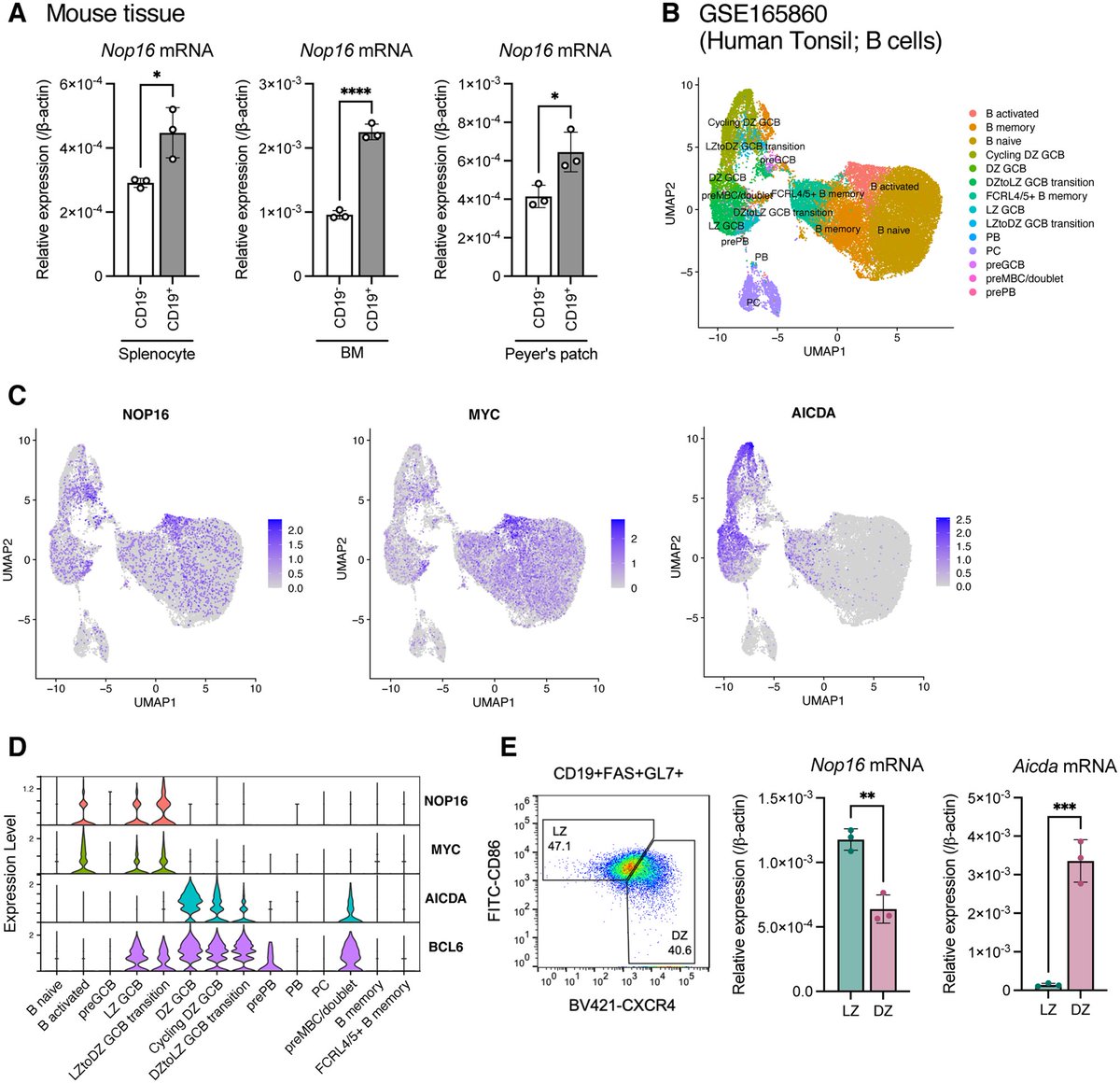
Data identify NOP16 as a previously unrecognized modulator of class switch recombination, highlighting its relevance in adaptive immunity and extending its functional significance beyond cancer biology. Learn more in The JI: ow.ly/thQ450ZhTji.
Regulation of solid tumors by the peripheral nervous system Journal of Experimental Medicine (2026) DOI: 10.1084/jem.20251333 The nervous system is no longer viewed as a passive bystander in cancer—it is now recognized as a master regulator of the tumor microenvironment. This comprehensive JEM review synthesizes the rapidly expanding field of cancer neuroscience, describing how sympathetic, sensory, and parasympathetic nerves orchestrate tumor growth, metastasis, immune evasion, metabolism, and therapeutic resistance. Key insights 🧠 Peripheral nerves are integral components of the tumor ecosystem Rather than acting only on cancer cells, neural circuits coordinate communication among: • tumor cells • immune cells • endothelial cells • fibroblasts This positions the peripheral nervous system as an upstream regulator linking stress, inflammation, metabolism, and therapy-induced signals to cancer progression. ⚡ Neural signaling promotes invasion and metastasis Major neurotransmitters include: • Sympathetic → norepinephrine → β-adrenergic receptors • Sensory → Substance P (NK1R) and CGRP (CLR/RAMP1) • Parasympathetic → acetylcholine → muscarinic/nicotinic receptors These pathways activate invasion, cytoskeletal remodeling, angiogenesis, extracellular matrix remodeling, and immune suppression. 🔥 Tumor metabolism is directly supported by nerves Recent discoveries reveal neurons provide metabolic support by: • transferring functional mitochondria into tumor cells • supplying serine during nutrient deprivation • rewiring tumor bioenergetics • enhancing oxidative metabolism and metastatic capacity Neurons therefore function as metabolic partners—not merely signaling cells. 🛡️ Neural regulation suppresses anti-tumor immunity Adrenergic signaling promotes: • M2 macrophage polarization • dendritic cell dysfunction • CD8⁺ T-cell exhaustion • impaired antigen presentation Meanwhile sensory CGRP signaling further drives T-cell exhaustion, creating a profoundly immunosuppressive tumor microenvironment. 🌱 Tumors actively recruit and remodel nerves Cancer cells stimulate axonogenesis through: • NGF • BDNF • Netrin-1 • extracellular vesicles carrying axon-guidance molecules Stress and chemotherapy further amplify neurotrophin production, generating a feed-forward loop that increases tumor innervation and neural control of disease. 💊 Cancer neuroscience is becoming therapeutically actionable Several approved drugs already target neural pathways implicated in cancer: • β-blockers (propranolol, carvedilol) • NK1 receptor antagonists (aprepitant) • CGRP inhibitors • Trk inhibitors • Botulinum toxin • Neuromodulation approaches Emerging clinical data suggest β-blockers may reduce metastasis and improve outcomes—particularly in triple-negative breast cancer—while aprepitant has been associated with reduced breast cancer mortality in observational studies. Why this matters Cancer should increasingly be viewed as a neuro-immune-metabolic disease, where neural circuits integrate psychosocial stress, nutrient availability, inflammation, and treatment-induced signals to coordinate multicellular tumor behavior. Targeting the nervous system offers a new therapeutic axis that complements immunotherapy and precision oncology, with the added advantage that several candidate interventions are already clinically available through drug repurposing.

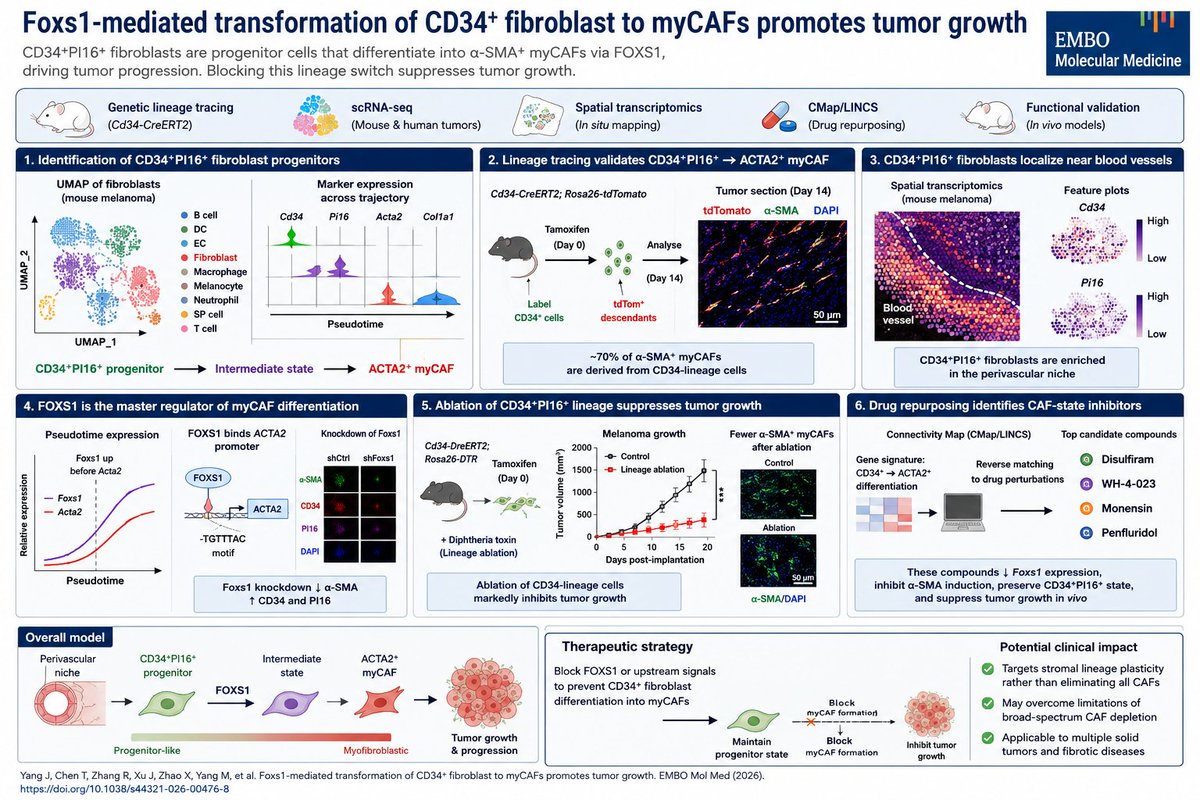
Foxs1 defines a druggable CAF lineage switch. A new EMBO Molecular Medicine study identifies CD34⁺PI16⁺ fibroblasts as progenitors that differentiate into α-SMA⁺ myofibroblastic CAFs (myCAFs) through the transcription factor Foxs1, promoting tumor progression. Using lineage tracing, scRNA-seq, and spatial transcriptomics, the authors demonstrate that blocking this differentiation program suppresses tumor growth in melanoma and gastric cancer models. Key findings 🔹 CAF developmental trajectory revealed CD34⁺PI16⁺ fibroblasts represent an early progenitor CAF state. Pseudotime analysis places these cells upstream of ACTA2/α-SMA⁺ myCAFs, establishing a lineage relationship rather than separate CAF populations. 🔹 Foxs1 is the master regulator Foxs1 expression rises before α-SMA induction. FOXS1 directly binds the ACTA2 promoter, driving myCAF differentiation. Foxs1 knockdown preserves CD34/PI16 expression, suppresses α-SMA induction, and markedly reduces tumor growth in vivo. 🔹 Lineage ablation validates function Selective depletion of CD34⁺PI16⁺ fibroblasts significantly decreases tumor size. Loss of this lineage reduces myCAF formation without dramatically altering vessel density, suggesting CAF differentiation—not angiogenesis—is the dominant mechanism. 🔹 Spatial origin In situ sequencing localizes CD34⁺PI16⁺ fibroblasts near blood vessels, suggesting vascular adventitial fibroblasts as an important source of tumor CAFs. 🔹 Drug repurposing identifies CAF-state inhibitors Connectivity mapping (CMap/LINCS) identified compounds capable of maintaining the progenitor CAF state: Disulfiram WH-4-023 Monensin Penfluridol These compounds suppress Foxs1 expression, reduce α-SMA induction, preserve CD34⁺PI16⁺ fibroblasts, and inhibit tumor growth across preclinical models. Why this matters Rather than eliminating CAFs indiscriminately—a strategy that has largely failed clinically—this work suggests blocking a pathological fibroblast state transition. The concept resembles differentiation therapy: maintaining fibroblasts in a less tumor-supportive progenitor state instead of allowing conversion into contractile, tumor-promoting myCAFs. Research implications Identifies FOXS1 as a therapeutic target for CAF reprogramming. Demonstrates a scalable pipeline combining single-cell atlases + lineage tracing + spatial transcriptomics + CMap drug repurposing. Provides a framework applicable to fibrosis, stromal remodeling, and other diseases involving fibroblast state transitions. Citation Yang J, Chen T, Zhang R, et al. Foxs1-mediated transformation of CD34⁺ fibroblast to myCAFs promotes tumor growth. EMBO Molecular Medicine (2026). DOI: 10.1038/s44321-026-00476-8

In this month’s special issue on immune memory, a Review traces historical developments in #Tcell memory and discusses how new technologies have refined strategies for #vaccines and immunotherapies. @sjturn scim.ag/4p1jXqo

ROS is a double-edged sword in cancer. A comprehensive Journal of Advanced Research review highlights how moderate ROS fuels tumor initiation, metastasis, immune evasion, and therapy resistance, while excessive ROS overwhelms antioxidant defenses to induce apoptosis, ferroptosis, and other cancer cell death programs. Key insights: 🧬 ROS promotes cancer by activating NF-κB, PI3K/AKT, HIF-1α, remodeling the tumor microenvironment, and suppressing antitumor immunity. ⚔️ Cancer cells adapt through the NRF2–KEAP1, GPX4–GSH, and thioredoxin antioxidant systems, creating therapeutic vulnerabilities that can be exploited. 💊 ROS modulation enhances multiple treatment modalities: • Ferroptosis induction (GPX4 inhibition) • Radiotherapy & chemotherapy • Photodynamic/sonodynamic therapy • Overcoming TKI resistance by disrupting redox adaptation 🧪 An emerging concept is precision redox medicine—using mitochondrial redox signatures and digital biomarkers to stratify patients and tailor ROS-targeted interventions rather than applying uniform antioxidant or pro-oxidant strategies. 📈 Future directions include: • Tumor-specific ROS modulation • Combination therapies with immunotherapy • Targeting NRF2-dependent resistance • Mitochondrial biosensors for personalized treatment selection Rather than simply "reducing oxidative stress," the future of oncology may lie in precisely controlling where, when, and how much ROS is generated to selectively eliminate cancer while sparing normal tissue. 📄 ROS as a powerful instrument for the advanced cancer prevention and management: Facts and outlook Journal of Advanced Research (2026) DOI: 10.1016/j.jare.2026.07.002


🏥While immune checkpoint inhibitors have revolutionized small cell lung carcinoma (SCLC) management, clinical benefits remain restricted to a subset of patients. This study investigates baseline biomarkers for predicting outcomes in unresectable SCLC patients receiving first-line chemoimmunotherapy with or without radiotherapy. 👉doi.org/10.1007/s11684… #Prognosticutility


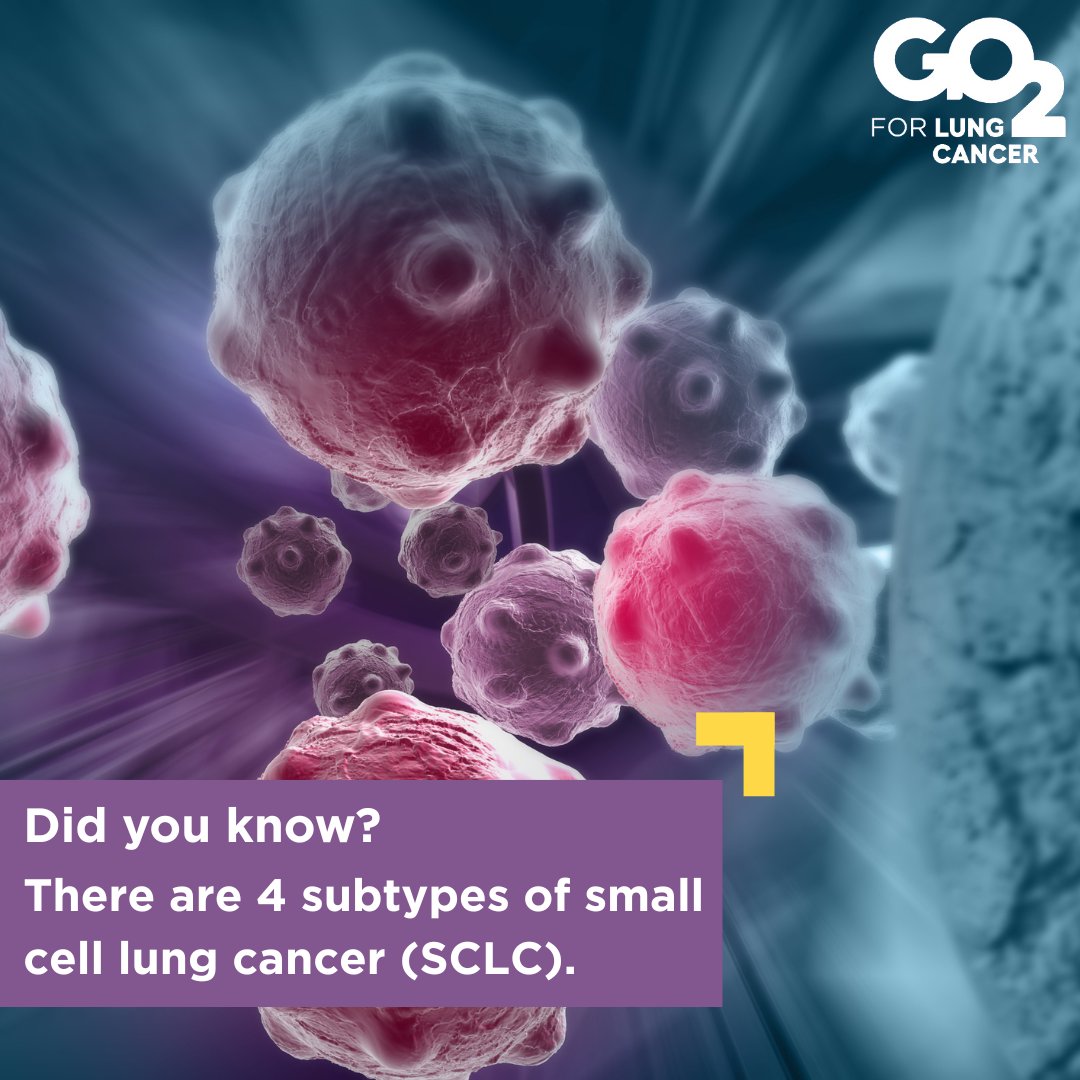
Did you know there are 4 distinct subtypes of #SmallCellLungCancer (SCLC)? Researchers are uncovering how these differences may help guide future treatments & clinical trial opportunities. Learn more about what this could mean for people living w/ SCLC: go2.org/blog/subtyping…
#Multiomics profiling of #SCLC reveals distinct intrinsic & extrinsic molecular signatures, characterized by intratumoral heterogeneity & recurrent oncogenic FAK splicing variants that predict poor prognosis and represent potential #TherapeuticTargets. #STTT #OpenAccess: doi.org/10.1038/s41392…

Can tumors silence innate immunity using their own metabolic waste? A new Immunity study reveals that lactate is not merely a metabolic byproduct—it directly binds the innate immune sensor STING, preventing cGAMP activation and enabling tumor immune evasion. Key findings 🧬 Lactate is a direct endogenous STING inhibitor Instead of acting only through acidification or lactylation, lactate physically binds the cGAMP-binding domain of STING (KD ≈ 32.7 μM), competitively blocking cGAMP binding, STING oligomerization, TBK1 activation, IRF3 phosphorylation, and type I interferon production. ⚡ EGFR rewires metabolism to suppress immunity EGFR activation recruits PKM2, which phosphorylates LDHA at Ser161, increasing LDHA activity and lactate production. EGFR → PKM2 → LDHA(S161) → Lactate ↑ → STING inhibition → Immune evasion 🔬 A new moonlighting role for PKM2 Beyond glycolysis, PKM2 functions as a protein kinase, phosphorylating LDHA to stabilize NADH binding and enhance enzymatic activity, thereby amplifying aerobic glycolysis and immunosuppression. 🛡️ Blocking PKM2 restores antitumor immunity Pharmacologic PKM2 inhibition: • Reduced lactate production • Reactivated STING signaling • Increased CD8⁺ T-cell infiltration • Suppressed glioblastoma growth • Synergized with anti-PD-1 immunotherapy in vivo 👨⚕️ Clinical relevance Human glioblastoma specimens with high LDHA Ser161 phosphorylation exhibited: • Lower STING activation • Reduced CD8⁺ T-cell infiltration • Poorer patient survival This identifies LDHA pS161 as a potential biomarker of immune suppression and therapeutic response. Why this matters This study fundamentally expands the role of lactate. Rather than serving only as a metabolic endpoint or signaling metabolite, lactate functions as an endogenous ligand for STING, directly coupling the Warburg effect to innate immune suppression. The findings also establish the EGFR–PKM2–LDHA–lactate–STING axis as a promising therapeutic target, suggesting that combining metabolic intervention with immune checkpoint blockade may overcome resistance in glycolytic tumors. Title: Lactate binds and inhibits the innate immune sensor STING to promote tumor immune evasion Journal: Immunity (2026) DOI: 10.1016/j.immuni.2026.06.004


@JTCancerCenter opening first-in-human trial of ML261, a potency-enhanced anti-DLL3 CAR T therapy, in relapsed SCLC and NEC. Advancing cellular therapies in solids. @ADesaiMD @salmanpunekar #LCSM #SCLC sprou.tt/1MBEdt2E1rS

SCAPeSCLC is now published in @Data_MDPI. Data Descriptor: doi.org/10.3390/data11… #SpatialTranscriptomics #LungCancer #SCLC #ComputationalBiology #Bayesian #DataScience

15 Mitochondrial Axes Every Aging, Sarcopenia & Heart Failure Researcher Should Measure Mitochondria are no longer viewed simply as cellular powerhouses. Across aging, sarcopenia, obesity, metabolic disease, and heart failure, they function as dynamic signaling hubs integrating bioenergetics, quality control, inflammation, and stress adaptation. Rather than relying on a single assay, a multidimensional mitochondrial profiling strategy is becoming the new standard. A practical framework includes 15 interconnected axes: • Oxidative phosphorylation (OCR, ATP production) • Mitochondrial biogenesis (PGC-1α–NRF1/TFAM) • Mitophagy (PINK1–Parkin, BNIP3/NIX, FUNDC1) • Fusion–fission dynamics (DRP1, MFN1/2, OPA1) • TCA cycle metabolic flux (^13C tracing) • Fatty acid oxidation (CPT1, acylcarnitines) • Membrane potential (ΔΨm) • Mitochondrial ROS • NAD+ metabolism (NAMPT–SIRT axis) • Cellular redox balance (GSH/GSSG) • Calcium handling and mPTP • mtDNA integrity and cGAS–STING activation • Mitochondrial proteostasis (ATF5, CLPP, LONP1) • Mitochondria–ER contact sites (MAMs) • Cardiolipin remodeling and mitochondrial peptides (MOTS-c, Humanin) For small pilot studies, signal-to-noise ratio matters more than assay quantity. A robust core panel can often be achieved using: ✅ Seahorse XF OCR ✅ TMRM membrane potential ✅ ATP/ADP ratio ✅ Citrate synthase activity ✅ mtDNA copy number ✅ mito-Keima mitophagy reporter ✅ TOM20 network morphology ✅ NAD+/NADH quantification ✅ Acylcarnitine metabolomics ✅ ^13C metabolic flux analysis Several methodological updates are also worth noting. Mdivi-1 is no longer considered a highly specific DRP1 inhibitor because of significant off-target effects. Likewise, high-dose etomoxir can inhibit mitochondrial respiration independently of CPT1, making low-dose treatment or genetic perturbation preferable. In mammalian systems, ATF5—not ATFS-1—is regarded as the principal regulator of the mitochondrial unfolded protein response (UPRmt). As the field shifts from descriptive mitochondrial biology toward mechanism-driven therapeutics, integrated mitochondrial phenotyping is becoming essential for identifying actionable pathways and biomarkers across aging-related diseases. #Mitochondria #Aging #Sarcopenia #HeartFailure #Metabolism #HFpEF #Mitophagy #Bioenergetics #Seahorse #Metabolomics Representative references (not a single source): Youle RJ, Narendra DP. Mechanisms of mitophagy. Nat Rev Mol Cell Biol. 2011. DOI: 10.1038/nrm3028 Pickles S, Vigié P, Youle RJ. Mitophagy and Quality Control Mechanisms in Mitochondrial Maintenance. Curr Biol. 2018. DOI: 10.1016/j.cub.2018.01.004 Spinelli JB, Haigis MC. The multifaceted contributions of mitochondria to cellular metabolism. Nat Cell Biol. 2018. DOI: 10.1038/s41556-018-0124-1 Murphy MP. How mitochondria produce reactive oxygen species. Biochem J. 2009. DOI: 10.1042/BJ20081386 Chandel NS. Evolution of Mitochondria as Signaling Organelles. Cell Metab. 2015. DOI: 10.1016/j.cmet.2015.05.013

A new Science #Immunology study shows that PD-L1 blockade can inhibit MHC-I presentation on tumor cells, enabling immune evasion and #metastasis in mouse models of #pancreatic cancer. @IngunnStromnes scim.ag/4eZ6JHb

ATP synthase isn't just making ATP—it may physically organize mitochondrial metabolism. A fascinating new Nature Communications study uncovers an unexpected structural connection between ATP synthase (Complex V) and the TCA cycle, suggesting that mitochondrial energy production is coordinated through a previously unrecognized protein interaction network rather than isolated enzyme complexes. Using in-solution crosslinking mass spectrometry (XL-MS) together with quantitative proteomics, complexome profiling and BN-PAGE, the authors mapped protein interactions inside intact mouse heart mitochondria under physiological conditions and during mitochondrial dysfunction caused by LRPPRC deficiency. The most surprising discovery is that the F₁ catalytic head of ATP synthase extensively contacts multiple TCA-cycle enzymes, including citrate synthase, isocitrate dehydrogenases, α-ketoglutarate dehydrogenase, succinyl-CoA ligase, fumarase and malate dehydrogenase. Until now, Complex II was generally considered the only structural bridge between oxidative phosphorylation and the TCA cycle. These findings expand that paradigm by positioning ATP synthase itself as a central metabolic interaction hub. When mitochondrial gene expression was impaired through cardiac Lrpprc knockout, ATP synthase underwent profound structural remodeling. Loss of the mtDNA-encoded ATP6 destabilized the F₀ membrane sector, causing partial dissociation of the F₁ catalytic domain while preserving its catalytic activity. At the same time, interactions between the detached F₁ head and TCA-cycle enzymes nearly doubled, accompanied by increased associations with fatty-acid β-oxidation and ketone-body metabolism enzymes. Another key observation involves ATPase Inhibitory Factor 1 (ATIF1). Under normal conditions, ATIF1 predominantly exists in inactive oligomeric assemblies. During ATP synthase dysfunction, however, ATIF1 shifted into its active inhibitory conformation and bound directly to the F₁ catalytic head through its N-terminal inhibitory domain, effectively suppressing ATP hydrolysis and pushing mitochondria toward an energy-conserving state. The proposed model is compelling: respiratory-chain dysfunction destabilizes ATP synthase, partially releases the F₁ head, strengthens its association with central metabolic enzymes, and simultaneously recruits ATIF1 to prevent futile ATP consumption. Rather than passive structural damage, this appears to represent an adaptive mitochondrial remodeling program that coordinates bioenergetics with metabolic rewiring during energetic stress. Beyond revealing a new layer of mitochondrial organization, this work provides a mechanistic framework for understanding diseases involving mtDNA defects, ATP synthase instability, cardiomyopathy, and mitochondrial encephalomyopathies. It also highlights crosslinking mass spectrometry as a powerful approach for uncovering transient metabolic interaction networks that are invisible to conventional structural biology. #Mitochondria #ATPSynthase #Metabolism #TCACycle #Proteomics #CrosslinkingMS #CardiacMetabolism #OXPHOS #NatureCommunications


🔥A blood-brain barrier-like vascular gate (BVG) limits immunotherapy efficacy in neuroendocrine cancers 🆙 @CellCellPress ☑BVG restricts immune infiltration in SCLC 🎯ASCL1-IGFBP5-IGF1R axis drives BVG 🎯OSI-906 (IGF1Ri) enhances CD8+ T cell infiltration & synergizes with anti-PD1 🎙Dr. Yiyun Wang #LCSM @OncoAlert @Larvol cell.com/cell/fulltext/…


Impressive review in @Cancer_Cell from an impressive set of authors: Molecular phenotypes and spatial archetypes: A new framework for cancer-associated fibroblasts cell.com/cancer-cell/fu… @IamLinghua @HHuanglab @MaraShermanLab @shouval @BiffiGiulia

🆕New in #JEV🆕 Characterizing the Fate of Anti-CS1 Nanobody Displaying Extracellular Vesicles in Multiple Myeloma #extracellularvesicles #multiplemyeloma #nanobodies isevjournals.onlinelibrary.wiley.com/doi/epdf/10.10…

New! Online now: Methionine-supplemented longevity diet increases growth hormone, GLP-1, and FGF21; reduces frailty; and promotes healthspan dlvr.it/TT9s5M



Bruno Ramos-Molina, P... @Brunorm84
7K Followers 5K Following Group Leader of the Obesity, Diabetes and Metabolism Lab at the Biomedical Research Institute of Murcia (IMIB) | PI & Research Professor (Tenured)
Nancy L @zlem29061448332
8 Followers 671 Following fairy lights & racing thoughts ✨ 100% follow back


Salim Jabbie @SalimJabbioess
2 Followers 74 Following
Nancy H @dHd2qGAOXDSsvSA
22 Followers 1K Following little bit feral, mostly floral 🌼 always follow back
Ying Cao @NeuralGrndState
539 Followers 427 Following My rubbish research: the core property of cancer cell is neural stemness, which determines pluripotency&tumorigenicity. EMT/MET/EndMT are groundless 'concepts'
Medical Sciences @medsci_MDPI
990 Followers 921 Following Medical Sciences is an international #openaccess journal publishing advances in basic, translational & clinical medical research. By @MDPIopenaccess.
Iñaqui Jiménez-Loyg... @InaquiConQ
430 Followers 688 Following Sometimes Juan Ignacio. Postdoctoral fellow at @CNIOStopCancer @Gsabiolab. Investigating why our cells eat themselves. 🌱. 🏳️🌈. 🍉. (he/him)
Yang Zhao @YangZhao102
163 Followers 198 Following T cell engineering & cytokine signaling in the Garcia lab|Postdoc @Stanford_MCP |CRI fellow @CancerResearch | PhD @EPFL
Center for Epigenomic... @CEpigenomics
2K Followers 532 Following Est. @UC San Diego to answer human health and science questions through epigenomic research, tech & partnerships. https://t.co/MC9Q0wHNiA (Director: Bing Ren)
Sara Elizabeth Siegle... @sesiegler
4K Followers 5K Following Personal account of the CEO/Owner of @SES_HQ. Co- Chair. Ceiling smasher, recovering equestrian, former whistleblower, pickleballer, & pemphigus patient.
Nelumbo nucifera @punkkauz
52 Followers 112 Following Longevity sci enthusiast. Bioinformatician.... 'What is your destiny?You are not just an individual but you represent all lives. Where are you taking them?'
Jeremy Cliffe @Jeremy_L_cliffe
37 Followers 327 Following Financing, Business, and personal needs. Expert in mortgages, business loans, and financial growth strategies.
Miner Lab @miner_lab
2K Followers 2K Following Mechanisms & therapies for rare rheumatic diseases. Chair, Gene Therapy and Vaccines (GTV) Graduate Program @CAMBUPenn @UPenn_I3H @pennmedicine @rvcl_research
Jon Hershon @jonathanhershon
6K Followers 5K Following VP Clinical AI @doximity, prev CEO @pathwaymedical (acq. Doximity)
Dmitry Kovalchuk @DmitryKovalchuk
2K Followers 929 Following Stocks, private equity, economics, and international politics. Personal views only. P.S. Don't follow my investment ideas, my investments lose money regularly.
David Sinclair @davidasinclair0
43 Followers 372 Following Professor @Harvard researching why we age & how to reverse it. Author & host of Lifespan. Mission: Extend healthy life for all.Views are entirely his own ✌🙏
Klebanoff_Lab @KlebanoffLab
3K Followers 2K Following A translational research lab @MSKCancerCenter focused on the immunobiology and therapeutic potential of genetically engineered #Tcells and #TCRs. Est.2016 @NYC.
Upasana DasAdhikari @UpasanaDA
600 Followers 1K Following NIDDK K99/R00 fellow-Mucosal Immunology_Immunometabolism-specializing in organoids modelling of human _KwonLab@Ragon Institute of MGH, Harvard& MIT
Frank George @frank_george927
68 Followers 742 Following God❤️family ❤️fitness Support & athletes 🏃♀️ Gym freak🏋️♀️ Active & devoted 😊 Animal lover🐕🦺music lover, single dad a beautiful girl 👨👧
Razelle Kurzrock, MD @Dr_R_Kurzrock
9K Followers 7K Following Momx7 (4 children; 3 dogs); wife; Director, Center, Precision Oncology/Rare Cancers; CMO WIN; physician, not provider; CureMatch (cofounder); opinions mine
Delvys Rodriguez Abre... @delvysra
1K Followers 621 Following A lung cancer medical oncologist. Engaged with patients hope. Father. Founder @FCCPulmon
Yoshihisa Okazaki @XX62
2K Followers 3K Following 消化器内科医・モナドロジスト・医学博士・数学修士・岡崎能久 MD・PhD・MS 東北大学医学部(1-2年)大阪大学医学部3年次編入卒 千葉大学数学科・大阪大学大学院修士(数学)近畿大学病院・羽曳野医療センターetc勤務 岡山県金光学園中高卒 広島県福山市鞆町(岡崎雄志郎宅) 中高数学専修免許 医師免許(2001)
Stevenlucas @Stevenluca37105
36 Followers 1K Following I,m always smiling and looking the brightest side of the earth
Navonil DS @Navonilde
387 Followers 698 Following (Pronouns He/Him). DAD/Husband/Scientist @ProstateCancer @CancerGenomics @Biomarker_Research @Mountain_Lover @DNA repair @Signature 'tweet are mine'
Pat Adams @PathologyPat
2K Followers 5K Following Product Development New England, Naveris, NavDx, minimal residual disease monitoring in head and neck cancer
Frontiers in Bioscien... @Landmark_IMR
569 Followers 924 Following Open access journal for cellular and molecular biology, Indexed in SCIE, PubMed, Scopus and more. COPE member IF: 4.1 💌 [email protected]
Jitendra K Meena @jitendrakmeena
118 Followers 361 Following Cancer researcher in RNA biology, Houston | interested in developing therapeutics based on RNA degradation
Biologyto @thebiologyto
29 Followers 220 Following Welcome to house of biology 🧫 A breathing ecosystem of knowledge 🧪 Your exploration of the extraordinary begins here 🌻 Join us and live biology 🧬
Göktuğ @GuvercinGoktug
1K Followers 494 Following ML Scientist | MSc @TU_Muenchen & @imperialcollege 👨🏼💻| Computer Vision, Language Modeling https://t.co/IZ8FigcZ4N
ROS1 Cancer @ROS1CancerSpain
143 Followers 1K Following Because everyone deserves the best diagnosis and the best treatment for their disease. #ROS1 advocate. #ROS1agnostic
Neuroendocrine Cancer... @ncukcharity
5K Followers 5K Following Supporting the #Neuroendocrine Cancer community, incl diagnosis, access to best treatment & care - and stimulating research. Helpline 0800 434 6476
NET Cancer Day @netcancerday
6K Followers 3K Following Worldwide NET Cancer Awareness Day is an awareness-raising event coordinated by INCA, the International Neuroendocrine Cancer Alliance.
Jessica Duarte @JessDGDuarte
1K Followers 2K Following Laboratory Head @monashSTM working on B cell tumour immunology, tertiary lymphoid structures, and protein microarrays
Lingshuang Chen @LCbio
21 Followers 65 Following 📖PhD student @Sutherland_Lab @WEHI_research 👩🔬Bioscientist / small cell lung cancer / single cell technology | Views are my own
Elias Orouji @orouji
2K Followers 2K Following Epigenomics Lead at Princess Margaret Cancer Centre @pmcancercentre @uhn | University of Texas MD Anderson Cancer Center @MDAndersonNews | DKFZ @dkfz alumnus
Isabel Puig Borreil @IPuigBorreil
723 Followers 840 Following Senior Investigator at @VHIO. Co-founder of @OniriaTx. Investigating non-genetic cancer persistence. @ipuigborreil.bsky.social
TIAN TIAN @vicenttianfr
583 Followers 835 Following M.D. Ph.D. Interested in pancreaticobiliary malignancies. Hospital Clínic Foundation for Biomedical Research (FCRB) IDIBAPS
Enric Barba Ibáñez @EnricBarba
2K Followers 4K Following Dr. Ingeniero de telecomunicación. Ph.D. Telecommunications Engineering. Melanoma Patient Advocate. @MelanomaE @MNPEurope @myESMO
OncoDaily @oncodaily
10K Followers 9K Following Where the global cancer community meets - daily news, trial breakdowns. KOL interviews, live from major cancer congresses OncoDaily - The Voice of Oncology
Gabriel Espinosa Carr... @Gabriel198685
17 Followers 39 Following Cancer Immunologist passionate about the development of new immunotherapy
Jessica Berg @ber19117
10 Followers 132 Following She/Her/Ella. | BS in exercise | your fave | ❤️🧡💛💚💜💙
Hind Rafei @HindRafei
3K Followers 4K Following Physician-scientist at UT MD Anderson investigating cellular therapy for cancer with a focus on metabolic-epigenetic crosstalk in the TME. Opinions are my own.
The Shields Lab @TheShieldsLab
139 Followers 120 Following Focused on #SCLC | PI @drshieldsmd | #liquidbiopsy #methylation #subtypes #drugscreen | overcome #resistance | bench to bedside | IU Simon Comprehensive Cancer
SmallCellSMASHERS @SclcSMASHERS
362 Followers 251 Following Advocacy group/voice of patients with #SCLC & loved ones. Mission: #community - awareness for #research - end #stigma - spread #hope @drshieldsmd @lungevity
OncoDaily Lung @OncodailyLung
373 Followers 235 Following OncoDaily Lung | Your source for the latest in lung cancer, clinical trials, immunotherapy, targeted treatments, and expert insights.
Bruno Ramos-Molina, P... @Brunorm84
7K Followers 5K Following Group Leader of the Obesity, Diabetes and Metabolism Lab at the Biomedical Research Institute of Murcia (IMIB) | PI & Research Professor (Tenured)
ILD IPF Doc: Nazia Ch... @ILDIPFDoc_NI
1K Followers 360 Following Diagnose, manage and treat patients with IPF, Sarcoidosis; CTD-ILD, NSIP and other fibrotic lung diseases in NI UK.
Luis Moreno Sánchez @radioncoluis
2K Followers 446 Following Oncólogo Radioterápico y Médico Nuclear | Hospital Metropolitano de Santiago - HOMS | Director de Radioterapia

Elicio Therapeutics @ElicioTx
438 Followers 30 Following Elicio (Nasdaq: $ELTX) is advancing a pipeline of novel lymph node-targeted immunotherapies for the treatment of some of the most aggressive cancers.
Maria Robles @RBioceutics
2K Followers 412 Following President & CEO of Robles BioCeutics | Developers of Advanced Senolytic & Regenerative Cosmeceuticals
Satchin Panda @SatchinPanda
54K Followers 95 Following Circadian Biologist, Author of the books "The Circadian Code" and "The Circadian Diabetes Code."
Yago Garitaonaindía @YGaritaonaindia
383 Followers 636 Following Translational research fellow. TIL group. @CCITdk, Copenhagen (Denmark) | @JNCI_Now journals Social Media Editor #MedOnc Previously in @HospiPtaHierro
Matt Schwartz @matt_is_nice
2K Followers 3K Following CEO/founder of Virgo. Building frontier AI to solve gut-mediated diseases like colorectal cancer, pancreatic cancer, IBD, and more
David Lagares, PhD, M... @david_lagares
714 Followers 526 Following Scientist-Entrepreneur | CEO & Founder - Zenon Biotech | Co-Founder - Mediar Therapeutics | Lagares Lab - Cancer, Tissue Regeneration and Fibrosis
Charlotte Kuperwasser... @KUPERWASSERLAB
2K Followers 218 Following Professor @TuftsMedSchool, Co-Founder @Naveris_inc. Dedicated to understanding the biological, molecular, and genetic underpinnings of cancer & prevention.
Garry P. Nolan @GarryPNolan
129K Followers 128 Following Be better than before. Cancer Immunobiology, Bio-AI-Informatics, Member: White House UAP Science Advisory Council, Negative posters blocked w/o pause. 🏳️🌈
Aaron Newman Lab @AaronNewmanLab
1K Followers 271 Following Computational biology, cancer genomics, & stem cell bioinformatics lab @Stanford @czbiohub
Molecular Cancer Ther... @MCT_AACR
2K Followers 148 Following The go-to journal for transitioning experimental therapies developed at the bench into clinical investigation, from preclinical study to phase I trials.
Paperbirds_Oncology @PaperbirdsO
881 Followers 121 Following Paperbirds is an initiative committed to deliver unbiased daily literature updates and information about new clinical trials to health care professionals

Myogenesis Discussion... @MyogenesisGroup
1K Followers 195 Following A virtual discussion group on skeletal/smooth/cardiac muscle funded by @MbD_UofT, @UofT, organized by @RokMatthew and @xu_bellaxixi
Melody Zeng @melodyzeng
871 Followers 301 Following Associate Professor @WeillCornell @Cornell. We study the interface between the immune system and gut microbiome in health and disease. Instagram @zenglaboratory
CA: A Cancer Journal ... @CACancerJournal
11K Followers 2K Following As the flagship journal of the American Cancer Society, CA publishes the latest cancer statistics, ACS guidelines, and reviews on the current state of cancer.
Zihai Li, MD, PhD @Zihai
3K Followers 708 Following Founding Director, Pelotonia Institute for Immuno-Oncology (@OhioStatePIIO) • Deputy Director of @OSUCCC_James for Translational Research • Views My Own
Adam Rubin @adamjrubin
257 Followers 268 Following Helen Hay Whitney Foundation postdoctoral fellow with Alex Shalek and Aviv Regev at the Broad Institute
Katie Galloway @GallowayLabMIT
8K Followers 2K Following Associate Prof @MITChemE ; mom^4 + wife; enjoys building cell-fate circuits, exploring dna topology, reprogramming the living world, and soccer; soli gloria deo
Prof. Nikolai Slavov @slavov_n
47K Followers 269 Following Mentor, scientist & engineer. Director of @ParallelSqTech. Having fun in @SlavovLab with single-cell proteomics & ribosomes. Organizer of @SCP_meeting
Amy Fan @amycfanphd
1K Followers 1K Following Postdoc with @MaxKrummel | @stanfordimmuno PhD with @majetilab | #dancer, #educator, #advocate | she/her | Formerly @MIT & @broadinstitute
Sandra Ortiz-Cuaran @SandraOrtizCua1
95 Followers 483 Following Translational lung cancer scientist at Cancer Research Center of Lyon / Centre Leon Berard. Lead, BOLERO Consortium on #BRAF-mutant NSCLC: https://t.co/Iyxs0Q
Brad Schoenfeld, PhD @BradSchoenfeld
98K Followers 49 Following Researcher/educator on muscle building and fat loss. Author: "The MAX Muscle Plan" & "Science and Development of Muscle Hypertrophy." https://t.co/ye3quvBlEy
Gustavo Duque @DrGustavoDuque
4K Followers 2K Following A geriatrician and #geroscience researcher with a particular interest in the mechanisms and treatment of #osteoporosis, #sarcopenia & #frailty in older persons.
Matthew S. Alexander @Matt_Muscle_Guy
6K Followers 4K Following Geneticist, Skeletal Muscle, Drug development, Gene therapies. Non-coding RNA, and Zebrafish Aficionado. All tweets are my own. Instagram @thealexanderlab
若林秀隆 (Hidetak... @HideWakabayashi
15K Followers 7K Following MD, PhD, Rehabilitation doctor (TWMU professor), rehabilitation nutrition, sarcopenia, cachexia, dysphagia 東京女子医科大学リハ科教授、リハ栄養、本アカウントの投稿は個人の意見であり、所属組織の代表ではありません
Adam Sharples Ph.D -B... @DrAdamPSharples
7K Followers 295 Following Our Group 1st Demonstrated that Human Muscle possesses an Epigenetic Memory of Exercise -Our DNA remembers exercise! | ExProRugby | Judo
Christoph Burch @ChristophBurch
16K Followers 134 Following Physio interested in Exercise Therapy | Progressive Relaxation | Mindfulness | CBT in Physio | Embodied Cognition | Running | Fly Fishing | tweeting≠endorsement
Craig A. Goodman @CraigAGoodman1
4K Followers 511 Following Senior Scientist that investigates the molecular mechanisms that regulate skeletal muscle mass and function in health and in various disease states
Carla Prado, PhD, RD,... @DrCarlaPrado
4K Followers 672 Following Distinguished Professor | Nutrition Ambassador | Tier 1 Canada Research Chair | @CAHS_ACSS | @Top40_40 | @WXN 🇨🇦 Most Powerful Women. Own views 🇨🇦 🇧🇷
Stuart Phillips (he/h... @mackinprof
58K Followers 5K Following Distinguished Univ Professor, tier 1 @CRC_CRC, @McMasterU; opinions mine. https://t.co/9FZmrkm1K4. https://t.co/6w6NWxajVX recovering biohacker
Kevin Murach @KevinMurachPhD
3K Followers 1K Following Studying muscle in the Ozarks - M3R Lab. Bourbon aficionado. Amateur watch builder. Average exerciser. My wife says I’m a “six wing five”.
Journal of Cachexia, ... @JCSM_cachexia
2K Followers 140 Following JCSM is a peer-reviewed journal publishing research related to body composition, muscle loss during normal lifespan & as part of chronic disease. @SCWDNews
Dr Rishabh Jain @DrRishabhOnco
8K Followers 3K Following 🩺 DM Medical Oncologist, AIIMS Delhi 🌍 . Let’s keep oncology interesting !
Lori Shemek, PhD @LoriShemek
168K Followers 70K Following Health Expert * 4X Bestselling Author * aka “The Inflammation Terminator” * Podcast Host* Fox News * CBS The Doctors TV * Huff Post Top Health Expert* #MAHA
Hypersensitivity Pneu... @RespiratoryHP
17 Followers 0 Following Collaborating with health care professionals to innovate diagnosis and management of Hypersensitivity Pneumonitis
Medical Sciences @medsci_MDPI
990 Followers 921 Following Medical Sciences is an international #openaccess journal publishing advances in basic, translational & clinical medical research. By @MDPIopenaccess.
Lucas Sullivan @LucasBSullivan
2K Followers 2K Following Associate professor @fredhutch & @UW. Studying metabolic constraints of cancer cell proliferation. On a mote of dust suspended in a sunbeam.
Nature ダイジェ�... @NatureDigest
36K Followers 1K Following 科学雑誌Nature(ネイチャー)のニュースには研究のヒントが満載!それを日本語で読める月刊誌『Nature ダイジェスト』です。科学の視点で社会動向を伝え、地球規模の課題を炙り出します。オンライン版(8470円/年)は全バックナンバー(https://t.co/o1UoS6vsiA、PDF含む)にアクセス可
Penn Engineering @PennEngineers
11K Followers 556 Following The official X page for the University of Pennsylvania's School of Engineering and Applied Science. #InventingtheFuture #PennEngineering
Anktiva @anktivaofficial
713 Followers 1 Following Anktiva® (nogapendekin alfa inbakicept-pmln) PI: https://t.co/IPWL2902my Community Guidelines: https://t.co/CoqpEsahwe
Dr. Thomas Ichim @exosome
37K Followers 39K Following President and Chief Scientific Officer of Immorta Bio Vitalist https://t.co/fbVtWsFQw4 503 patents 4 Exits https://t.co/GHnwkq884f
Sean @S_Gallagher23
2K Followers 1K Following Building better biotechs 🧬 | ATMP clinical regulatory strategist | MS Phys/Pharma @UF · BA Neuro @VanderbiltU | Miami 🌴 | Opinions are my ownYou might like