
Michaela Light @TeraTechCF
CEO of TeraTech: The ColdFusion Experts: Development, Optimization, Security. CF Alive podcast. Author CF Alive book. teratech.com Rockville, MD Joined August 2009-
Tweets7K
-
Followers985
-
Following1K
-
Likes2K
Great to see Ben Forta @benforta back at Adobe CF Summit. Nice insights on navigating tech change over the years in his Day 2 keynote. Congrats on breaking 1 million books sold. And wishing you the best in bringing tech learning to 1.4 billion children worldwide!

CF API Performance That Scales: Lessons from High-Traffic Apps High-traffic CF APIs fail in boring ways. Latency creeps up. Memory rises. The database turns into mud. Keep watch, and you’ll spot the trouble while it’s still cheap. 👉 Coffee Call: Want a quick 15-minute API performance gut check for your CF app? TeraTech offers coffee calls teratech.com/coldfusion-cof… focused on scaling risk, peak traffic, and the first fix that buys you breathing room. Here are three lessons we see again and again in high-traffic CF apps. 1) Load test before the crisis. Most CF teams load test after users complain. High-traffic apps reward the opposite order. Load test on purpose, ahead of peak season, with realistic mixes of endpoints and data sizes. That is how you find the blind spots before they find you. A good CF load test answers simple questions. How many requests per second stay smooth? Which endpoint collapses first? Which query starts gasping? Defending Helm’s Deep gets easier when the rehearsal happens first. 2) Remove the single point of failure. High-traffic APIs need a plan for when a server fails. Sessions matter here. Users expect a steady experience even during rollover. CF teams that build redundancy early save a lot of late-night paging later. A fellowship carries the load better than one lonely hobbit. A practical pattern is simple: * Create multiple instances. * Implement a load balancer. * Ensure session handling supports failover. * Set clear capacity targets based on load testing. * Keep an eye out for drift between instances, because configuration drift can lead to unexpected behavior. 3) Use caching as a traffic buffer. When traffic rises, data delivery time often rises too. Caching helps you keep the fast paths fast. It takes pressure off the database and reduces peak load. Even small CF teams can change everything by caching the right things first. You already have useful options in the CF world. ColdFusion includes caching support, and EHCache is commonly used in CF setups. Focus on high-read, low-change data first, then add clear expiration rules to maintain correctness. Orcs love stale data, and that’s where they will attack. A simple way to use these lessons this week. Pick one API endpoint that matters. Run a realistic load test. Add a cache layer to reduce CF database reads. Then, verify failover behavior in staging. Steady wins the march. 🌟Onward! In the next issue of the CF Alive Newsletter, we’ll warm up the CF stethoscope for a mid-year performance health check. P.S. If your CF API is headed toward a peak-traffic crunch, it might be time for a scaling tune-up. Send us a message teratech.com/contact/?utm_s… or DM and TeraTech’s ColdFusion team will load test your critical paths, remove single points of failure, and add caching that keeps your fastest routes fast.

More details on CF Summit 2026 teratech.com/coldfusion-sum…
Today I'm flying to Las Vegas, NV for Adobe #ColdFusion Summit. It is Mon 6/22 - Tue 6/23/26. I'm excited about the topics this year! Several modern CF trends stand out: 1) AI everywhere - agents, MCP, RAG, vector databases, semantic search, AI governance, AI security, AI ROI, observability, and AI-assisted development. 2) Modernizing legacy applications - practical techniques for improving and extending existing ColdFusion applications without risky rewrites. 3) Cloud and scale - Google Cloud, AWS, serverless deployments, event-driven architectures, and enterprise-scale data processing. 4) Security and reliability - passkeys, SSO, authentication, JVM troubleshooting, monitoring, performance tuning, backups, and operational excellence. 5) ACF 2025 - new CFML language features, migration strategies, and hidden gems many teams may not be using yet. One thing I like about this year's conference is that it balances innovation with reality. There are plenty of AI sessions, but also lots of content focused on maintaining, modernizing, securing, and scaling real production systems. That is where many CFer hobbits in the trenches are still working keeping production systems healthy and modern. :-) A big thank you to all the speakers sharing their experience with the ColdFusion community: Aaron Rouse @AaronRouseVA, Adeyemi Ritchards, Alex Yablonsky, Amit Dayal, Anastasia Zamyshlyaeva, Ben Forta @benforta, Charlie Arehart @carehart, Charvi Dhoot @charvidhoot, Corbin Crutchley, Dakota Clum, Dave Ferguson @daveferguson, David Byers, David Tattersall, David Timczyk, Guust Nieuwenhuis @Lagaffe, Justin Scott, Kevin Schmidt, Kevin Wright, Larry Lyons, Madeline Hou, Mark Takata, Matt Mersing, Michael Hayes, Monte Chan, NIKHIL DUBEY , Nolan Erck @nolanerck, Pete Freitag @pfreitag, Scott Bennett, Shawn Oden @CodeFuMonkey, Vikas Yadav, Vivek Kumar I'll be there representing TeraTech and the CF Alive podcast. Full details on CF Summit in the first comment. Who else is attending? Comment below if you're going. I'd love to connect in person and talk ColdFusion, AI, modernization, or whatever challenge you're currently facing. #ColdFusion #AdobeColdFusion #CFSummit #CFML #ArtificialIntelligence

The ColdFusion Slowdown: Slay the Lag “Oh the horror! Oh my, the agony!” No, we’re not talking about an orc ambush. We’re talking about something worse... Waiting for an app to load. In the tech world, a few seconds can feel like a thousand years. Your users expect speed. Your clients expect results. Your servers... well, they’re doing their best. But when an app gets slow, the whole realm feels it. The good news? ColdFusion is built for speed. The better news? Most CF app performance issues are fixable. Today we’ll cover: 1. What causes “slow” 2. How to tune your app for speed 3. How to prevent future slowness Let’s sharpen our swords and our queries. 1. What Causes “Slow”? “Slow” is a symptom, not a diagnosis. I once met a client who clicked open a payroll app and casually said, “Okay, while we wait for that to load…” Wait?! For payroll?! Turns out, some CIOs don’t even realize how sluggish their apps are. When “slow” is your normal, you forget what fast feels like. But here’s why it matters: If one piece of code takes 500 milliseconds and runs 100 times an hour, that’s 120 hours of server time each year. Multiply that across users and tasks, and the cost adds up fast. With public apps, page load time is one of the major factors Google uses to rank search results. Slower sites get less search traffic. 2. Where Is the Lag Coming From? Here’s how to find the bottleneck: Check Your Logs & Metrics ColdFusion’s logs and the Adobe Performance Monitoring Toolset (PMT) give a behind-the-scenes view of app performance. Use Third-Party Tools Tools like FusionReactor help you diagnose speed drains with surgical precision. Watch Out for Your Own Success Sometimes “slow” just means too many users for your current setup. That’s when performance tuning becomes your new best friend. 3. Speed Up with Performance Tuning Every ColdFusion developer should carry a +2 Performance Tuning Toolkit. Here’s what that looks like: Tune Your SQL (aka, don’t let the database become Mount Doom) Gert Franz , a legendary dev who abandoned astrophysics for CF wizardry, laid out some great tips: 1. Limit queries (especially queries of queries) 2. Avoid layered queries when simpler ones will do 3. No lists! Use arrays instead. They’re faster, cleaner, safer 4. Keep database calls lean and mean 5. Manage garbage collection carefully. Too much or too little is bad Need more? Gert’s talk and his episode on ColdFusion Alive are worth bookmarking for every dev in your company. Run Load Tests Like You Mean It Simulate a flood of realistic traffic and find out: * Where things break * When response times spike * How your app actually handles real-world pressure Here’s the wild part: You want to break your app. Because only when it breaks do you know where the real weaknesses lie. Then fix. Then test again. Then fix again. Repeat until ready for prime time. 4. Preventing Future Slowdowns You want to stop future lag before it starts? Then you need a prevention mindset. Here’s your four-part path to performance protection: 1. Design your data for success Assume your app will be popular and model your databases accordingly. Over-plan now, under-stress later. 2. Upgrade your gear Don’t let ancient hardware kneecap a modern app. ColdFusion runs best on fast specs. 3. Build maintenance into your dev cycle 4. Repeat the process Tuning isn’t one and done. It’s the equivalent of keeping your sword sharp before every battle. Final Words from the Fellowship In Middleware-earth, speed isn’t a luxury. It’s survival. A slow ColdFusion app can mean lost users, abandoned carts, angry clients, and yes... a grumpy boss. But it doesn’t have to be this way. You can tune. You can test. You can triumph. And the best part? You don’t need to be a wizard. Just follow the path, ask the right questions, and wield your tools with care. Onward! 🌟 Over the next two weeks, we tackle the mystical arts of getting things done. Because every developer Hobbit occasionally suffers from productivity issues. P.S. If your CF application feels as cursed and creaky as the halls of Weathertop on a stormy night, fear not, resolute 'Strider of Systems'! Send your message through the wind-whipped ruins, carve a rune into ancient stone, or light a fire beneath the stars and get a free assessment. As vigilant as the Ranger keeping watch in the wild, we are here to defend, restore, and renew your digital road. Together, we’ll stand against the shadows of obsolescence and bring your project back into the light, swift and sharp as a sword reforged. 🌫️🔥

5 Signs Your CF App Is About to Have a Very Bad Day (And How to Read Them) Most CF outages do not start with a bang. They start with a few small signals that get ignored. Stay vigilant and you can fix the problem while it is still cheap. 👉 Coffee Call: Want a quick 15-minute stability gut check for your CF app? TeraTech offers coffee calls teratech.com/coldfusion-cof… that flag your top risks and give you one clear fix to start this week. This issue is for CIOs and leaders who want fewer surprises. Better signals and a calm plan keep the long road ahead from turning into a 2am panic sprint. Here are five signs we see before a crash. Each one comes with a simple way to respond. Sign 1: Memory issues keep creeping up. Memory pressure builds quietly. Then the CF app slows down. Then it restarts. Then everyone calls it “random.” Mordor loves “random.” What to watch for: * Heap usage trending upward across days. * Garbage collection pauses appearing during peak traffic. * Session memory growing and never shrinking. What to do: * Monitor heap usage, garbage collection, and CF application restarts. * Set alerts for trends, not just sudden spikes. * Use profiling before guessing. Sign 2: The server gets restarted on a schedule. A daily scheduled restart is a warning light. It hides the real issue and trains the CF team to accept outages. Helm’s Deep vibes. What to watch for: * Daily Restart scheduled after peak hours. * Performance noticeably improving after a restart. * The same slowdowns, crashes, or memory loss returning over time. What to do: * Treat restarts as incidents, not maintenance. * Capture thread dumps and heap snapshots when the CF app is struggling. * Fix the root cause and remove the restart habit. Sign 3: Long-running requests nobody wants to touch. Every team has one or two scary CF pages or scheduled tasks. They are the ancient CF code paths nobody wants to open. That is where trouble grows. What to watch for: * A few requests dominating most of the response time. * Some requests running for many minutes instead of seconds. * Page timeouts rising during normal load. What to do: * Identify the worst requests by execution time and frequency. * Add timeouts and protective guardrails. * Commit to fixing one slow path per week. Sign 4: No performance monitoring. Without monitoring, CF crashes stay mysterious. The team argues about guesses. The next outage lands the same way. A palantír helps when you use it on purpose. What to watch for: * No established baseline for response time, error rate, and memory trend. What to do: * Pick one CF monitoring tool and turn it on. We like FusionReactor. The Adobe PMT is good too. * Track response time, error rate, memory, and database wait times. * Establish baselines so you can spot unusual behavior. * Create alerts for sustained errors and negative trends, not just isolated spikes. Sign 5: Routine changes cause weird breakage. When a small patch creates chaos, the system is fragile. That means every change becomes risky. What to watch for: * Minor code changes causing surprise CF slowdowns. * Patch day triggers side effects. * Traffic spikes creating strange behavior. What to do: * Introduce a staging CF environment that matches production. * Ensure there is a simple rollback path on production. * Reduce CF deployment risk with small, steady releases. The quick rule. When you see two signs at once, act early. Two signals are enough to justify a CF fix. The darkness before dawn is when the damage starts. A simple first step works well. Add basic CF monitoring. Fix the worst slow request. Track memory trend and garbage collection. Even small CF teams can change everything. A fellowship of nine changed Middle-earth. 🌟Onward! In the next issue of the CF Alive Newsletter, we’ll reveal the wizardry needed to fix a memory crisis in one day. P.S. If your CF app is creeping toward a crash and the warning signs look familiar, it might be time for a stability tune-up. Send us a message teratech.com/contact/?utm_s… or DM and TeraTech’s ColdFusion team will find the top risks, prioritize fixes, and help you stay ahead of the next incident.
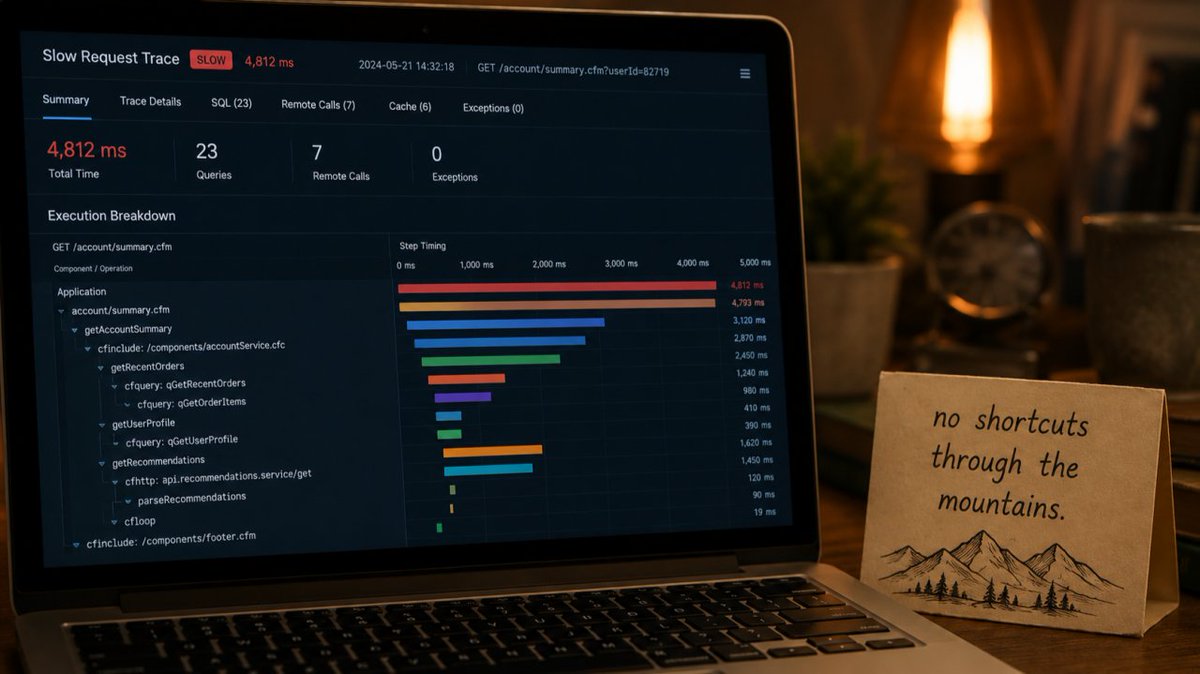
We’ve Fixed Hundreds of CF Apps. These 3 Problems Keep Showing Up. We walk into a lot of CF apps when the phone is already ringing. Users are mad. Leaders want answers. These blowups have patterns, and we’re here to share. 👉 Coffee Call: Want a quick 15-minute stability gut check for your CF app? TeraTech offers coffee calls that flag the top risks and leave you with one clear fix to start this week. After hundreds of CF fixes, three problems keep showing up. They may look different in each company, but they break things the same way. Problem 1: Memory pressure gets ignored until it is a crisis. Memory issues feel quiet at first. Then the CF app slows down. Then it restarts. Then everyone calls it “random.” Mordor loves “random.” Here is what we usually see: 1. The Java heap is too small for the load. 2. Garbage collection spikes during peak traffic. 3. Sessions grow and never shrink. 4. Cache settings are set once and never reviewed. 5. A memory leak sits for months. Keep watch for the early clues. Long response times. Strange pauses. Restarts that “fix it.” The darkness before dawn looks like “it went away.” What helps: 1. Size the heap for reality. 2. Measure garbage collection pauses. 3. Put limits on session size. 4. Review caches and timeouts. 5. Find leaks with profiling. This is boring work. Boring is good. Problem 2: Slow queries and database bottlenecks get ignored. Most CF outages are not CF outages. They are database pain. Ancient code runs fine until the queries turn into quicksand. Here is what we see: 1. Queries run fast in dev and crawl in prod. 2. Missing indexes. 3. N plus one query patterns. 4. Big reports that run during peak hours. 5. Connection pool settings that do not match demand. What helps: 1. Track slow queries. 2. Add indexes with intent. 3. Fix the worst query first. 4. Move heavy jobs off peak. 5. Load test with real data. Even small teams can change everything when they fix one CF query per week. Problem 3: No monitoring until something breaks. This one hurts because it is avoidable. Teams wait. Then a fire happens. Then the CF app becomes Helm’s Deep. Here is what “no monitoring” looks like: 1. Nobody knows the normal response time. 2. Nobody knows the error rate. 3. Nobody knows the memory trend. 4. Nobody knows the database wait time. 5. Alerts are set after the outage. What helps: 1. Pick a tool. FusionReactor is good. 2. Track the basics. 3. Alert on trends, not noise. 4. Add a dashboard for leaders. 5. Review it every week. Treat monitoring like a lantern. It will help you light the way. The simple fix plan. Do not try to fix everything at once. Pick one CF problem. Ship one improvement. Repeat. A fellowship builds a strong castle one stone at a time. 1. Add basic monitoring. 2. Fix the worst query. 3. Reduce memory pressure. If you do those three, your CF outage risk drops fast. The Shire feels calm again. 🌟Onward! In the next issue of the CF Alive Newsletter, we’ll discuss the five symptoms your ColdFusion app shows when it’s about to have a bad day. P.S. If your CF app is leaking memory, dragging in the database, or flying blind without monitoring, it might be time for a stability tune-up. Send us a message or DM and TeraTech’s ColdFusion team will find the top issues, prioritize fixes, and help you get ahead of the next incident.

Should You Train a Developer in CF or Hire One? You need CF talent. The app matters to your business. The backlog is loud. The on-call phone keeps buzzing. You need to do something about it. This choice looks simple. Either you train someone you trust, or hire someone who already knows CF. 👉 Coffee Call: Want a quick 15-minute talent plan check for your CF team? TeraTech offers coffee calls that help you pick the fastest and safest path (teratech.com/coldfusion-cof…) to avoid a painful hiring loop. Here is the honest answer: You will often do both. You hire one anchor. You train one or two rising stars. Start with two questions. These two decide almost everything. The long road ahead gets shorter when you answer them. 1. How urgent is the work? If your ColdFusion server is on fire, you need a firefighter. That is hiring. 2. How hard is the domain? If the codebase is ancient code with sharp edges, training takes longer. Keep watch for hidden traps. When training makes sense. Training works when you already have a strong dev with good habits. Think curious, humble, and consistent. Even small teams can change everything. Here are the green flags: 1. They write clean code. 2. They like to test and review. 3. They ask good questions. 4. They finish what they start. 5. They do not chase shiny tools. If you have that person, CF is easily teachable. The Shire blooms with the right gardener. A training plan that works. Keep it short and practical. 1. Give them one small service or module. 2. Pair them with a senior dev for reviews. 3. Use a checklist for secure patterns. 4. Track progress weekly. 5. Let them ship on week one. When hiring makes sense. Hiring makes sense when risk and speed matter more than cost. Mordor does not wait for onboarding. Here are the red flags that say “hire.” 1. You have outages or security risks. 2. You need upgrades and patches now. 3. You have one tired hero barely holding everything together. 4. You need delivery discipline. 5. You need someone to lead the fellowship. A strong CF hire can calm the system fast. They stop the bleeding and make releases boring. Where CIOs get burned. They train without a schedule. Then the dev feels set up to fail. The darkness before dawn looks like “learn CF on nights and weekends.” They also hire without a plan. Which means the new hire is welcomed with chaos and then they leave. The cycle repeats. The hybrid plan. This is the safest common path. It is also the most boring, which is fine. Unexpected allies show up when the plan is clear. 1. Hire one senior CF anchor. 2. Train one internal dev. 3. Add rules for how you ship. 4. Add monitoring and a runbook. 5. Spread ownership. If you do this, your bus factor drops, your uptime rises, and your team breathes again. Gandalf would approve. One last tip: Do not hire for “CF years.” Hire for habits. Curiosity. Humility. Clear communication. That is mithril. 🌟Onward! In the next issue of the CF Alive Newsletter, we’ll explore the three problems that arise most often among the hundreds of apps we’ve fixed. P.S. If your CF app depends on one tired hero and you are stuck choosing between hiring and training, it might be time for a clear talent plan. Send us a message or DM and TeraTech’s ColdFusion team will help you pick the fastest and safest option and build a plan that keeps the right people.

You Can’t Retain CF Developers You’re Burning Out If your CF team looks tired, your retention plan is already leaking. Be weary. Burnout makes good developers leave. This is not soft stuff. This is delivery risk. When people burn out, quality drops, incidents rise, and the long road ahead gets even longer. 👉 Coffee Call: Want a quick 15-minute burnout gut check for your CF team? TeraTech offers coffee calls that turn into one clear fix teratech.com/coldfusion-cof… you can start this week. Your best developers do not quit because the code is old. They quit because the work feels endless. Ancient code can still be a joy but endless chaos is Mordor. The pattern we see. Burnout comes first. Then the exits. Then the scramble to hire. Cycle repeats. Here is what it looks like in real life. 1. More bugs in basic flows. 2. More late nights. 3. More rushed fixes. 4. Less testing. 5. Less review. Consider that your early warning list. The darkness before dawn looks a lot like “we will clean it up later.” Why CF teams get stuck in this trap. CF apps are often revenue or mission critical. That makes the pressure constant. A burden worth carrying becomes too heavy when it never comes off. Also, many CF teams are small. One strong dev wears all the hats. Then every urgent thing lands on them. That is how you lose your CF Gandalf. What keeps developers. People stay when the work feels sane. They stay when they can ship without fear. They stay when they have time to think. Here are five retention moves that actually work: 1. Protect focus time. Set one quiet block each day. Guard it. 2. Make on-call fair. Rotate it. Maintain the runbook. A fellowship shares the load. 3. Keep releases boring. Add a small checklist: Tests. Reviews. Rollback steps. 4. Fix one pain per sprint. Pick one slow thing and make it fast. Pick one risky thing and make it safe. 5. Pay and praise clearly. Pay fairly. Praise good work in public. The Shire grows when people feel seen. What to do this week. You do not need a culture program. You only need two actions: 1. Remove one repeated source of stress. 2. Add one guardrail that protects quality. Light the way with one (or two) small wins. A CIO line that works. Say this once and mean it. “I want boring releases and calm on-call. If we need to slow down to get there, we will.” That is how you keep good people. That is how you keep your system from becoming the Mines of Moria. 🌟Onward! In the next issue of the CF Alive Newsletter, we’ll debate whether you should train a developer to become a ColdFusion wizard or hire one outright. The path isn’t always so clear. P.S. If your CF app is shipping on late nights and fragile releases, it might be time for a calmer delivery system. Send us a message or DM, and TeraTech’s ColdFusion team will reduce the load, spread the knowledge, and make releases feel steady.

Where to Find ColdFusion Developers in 2026 (And How to Keep Them) Hiring CF developers in 2026 can feel like scouting Rangers in the wild. The talent exists. You just need the right trail map. 👉 Coffee Call: Want a quick, 15-minute plan to improve hiring for your CF team? ? We’ll help you pick the best sourcing path and the fastest way to make a great hire stick. Give us a call teratech.com/coldfusion-cof… A lot of teams make the same mistake: They only search where everyone else searches and then say “the well is dry.” Here’s the good news. CF work attracts people who like systems that run. Payments. Claims. Logistics. All that ancient code that still makes money. That is a burden worth carrying for the right dev. Part 1: Where to find CF developers. Start with places where CF people already gather (but not the Prancing Pony!): 1. CFML Slack and community groups: The CFML Slack has working devs, leads, and long-time builders. Show up with a clear role, a clear pay range, and a real problem to solve. That gets you farther than vague “full-stack ninja” posts. 2. Conferences and meetups: Into the Box, CF Summit, and local user groups still matter. They are where you meet people who care about craft and community. Unexpected allies show up when you show up. 3. GitHub and real code: Search CFML and BoxLang repos. Look for steady contributors, not just stars. Then reach out with one specific reason you liked their work. 4. LinkedIn, but with better filters: Search for ColdFusion, CFML, ColdBox, CommandBox, and Lucee. Then look for people who talk about upgrades, security, and delivery. That usually means they have lived through Helm’s Deep and are battle-ready. 5. Agencies and partner teams: If you need speed and coverage, a CF agency gives you a fellowship, not a lone wizard. It also reduces the bus factor on day one. 6. Your own app: Your best candidates already work near your system. They are support engineers, QA leads, analysts, and ops people who know the workflows and want to level up. Even small CF teams can change everything. Part 2: How to keep CF developers. Hiring is only step one. Keeping good people is the bigger quest. 1. Give them a clean runway: A new CF dev wants to ship something real in week one. Set up local dev, a staging path, and a short runbook. 2. Modernize the workflow before you modernize the CF app: Add version control discipline, repeatable deployments, and monitoring. Then tackle bigger refactors. It makes the long road ahead feel doable. 3. Make CF upgrades a habit: Plan small upgrade steps. Patch on schedule. Keep third-party libraries current. Mordor thrives on old unpatched servers. 4. Spread knowledge on purpose: Rotate ownership. Pair on risky work. Record short walkthroughs. A strong CF fellowship should hold up when someone takes a vacation. 5. Give them problems worth solving: Good CF devs like impact. Performance wins. Security wins. Cleanups that make the next change easier. That is where mithril gets forged. 6. Pay fairly and respect focus time: This sounds obvious but it also gets ignored. Protect deep work blocks and keep meetings small. Here’s a simple hiring script that works. Use plain words. Say what matters. Keep it human. 1. Here is what the CF app does. 2. Here is what hurts today. 3. Here is what success looks like in 90 days. 4. Here is how we ship changes. 5. Here is what we will fix in the workflow. If you say those five things clearly, you filter for grown-ups. Gandalf would approve. Now fly, you fools! 🌟Onward! In the next issue of the CF Alive Newsletter, we’ll learn how to battle the burnout Balrog that inevitably haunts all CF teams. P.S. If your CF app depends on one tired hero and hiring feels stuck, it might be time for a smarter plan with an expert CF agency. Send us a message teratech.com/contact/?utm_s… or DM and TeraTech’s ColdFusion team will help you get back on track with your CF app.

Burnout Is a Bug in Your CF Team (Mental Health Awareness Month) Burnout hits CF teams the same way CF perfomance bugs hit production. Things slow down. Mistakes creep in. People get short with each other. Then one day a “stable” system falls over and everyone acts surprised. A good CIO knows better and will keep watch for the early signs. 👉 Coffee Call: Want a quick 15-minute burnout risk check for your CF team? We’ll help you spot the pressure points and pick one fix you can ship this week. Meet us at the Prancing Pony for a quick coffee teratech.com/coldfusion-cof… Burnout is not just a people problem. It is a business risk problem. It turns into outages, delays, rework, and churn. It also turns into that painful board conversation where someone asks why the dependable system suddenly fell apart. The map only shows so much. Burnout rarely arrives with a siren. It shows up as drift. CF code reviews slip, tests get skipped, fixes get rushed and stand-ups get quieter. Everyone is still moving, but the team is losing ground on the long road ahead. ColdFusion teams feel this hard because the systems usually matter a lot: payments, patient data and internal tools people rely on every day. The work starts as a burden worth carrying. What burnout looks like on a CF team This is your early warning list. Keep it simple. 1. More bugs in basic flows. 2. More late nights and “quick fixes.” 3. More blockers that sit for days. 4. Less testing and less review. 5. More silence during stand-ups. The fastest fixes These moves can calm the system fast. Even small CF teams can change everything. 1. Pick one top priority for the week. 2. Cap work in progress. 3. Block one quiet hour each day. 4. Make on-call fair and predictable. 5. Use a short “done” checklist that includes review and tests. The fixes that protect you long term These take more work, but they also save your team later. Steady wins the march, right? 1. Build staging that matches production. 2. Add continuous integration checks for tests and basic style rules. 3. Make deploy steps repeatable and document them. 4. Add monitoring that makes you aware of early signs of trouble. 5. Write a CF runbook for the top five incidents. The bus factor trap One solo wizard may look fast for a while, but the team will pay for it later. Build a fellowship instead. 1. Pair on risky changes. 2. Rotate module ownership each month. 3. Write “how we ship” in plain language. 4. Record one short walkthrough each month. 5. Keep a backup plan for key knowledge. A leadership script that helps Use plain words and a calm, friendly, and understanding tone. 1. What feels as heavy as the One Ring right now? 2. What can we remove this week? 3. What would make next week easier? 4. Where do you need clearer priorities? 5. What would help you do your best work? What you can do this week: Pick two moves: One lowers stress, the other raises safety. 1. Choose one stress reducer. 2. Choose one quality guardrail. 3. Put both on the calendar. 4. Review in two weeks. 5. Adjust and repeat. 🌟Onward! In the next issue of the CF Alive newsletter, we’ll discuss where to find ColdFusion Developers in 2026. (Here’s a hint: They’re not in the Mines of Moria!) P.S. If your CF app is shipping on late nights and fragile releases, it might be time for a calmer delivery system. Send us a message teratech.com/contact/?utm_s… or DM, and TeraTech’s ColdFusion team will get in touch.

CommandBox and ForgeBox: The Modern CF Developer’s Delivery Toolkit ColdFusion teams ship code. They also ship stress. CommandBox and ForgeBox help you ship the first one while cutting down the second. They turn “works on my machine” into “works on every machine,” and they do it without a big platform rewrite. Keep watch. Small tooling upgrades often save the most time. 👉 Coffee Call: want a 15-minute gut check for your ColdFusion app? TeraTech does quick coffee calls teratech.com/coldfusion-cof… that turn into a short action plan your team can ship. The problem this toolkit solves Most CF delivery pain comes from the same places. The build varies by laptop. Environments drift. Dependencies live in random folders. Deployments rely on tribal knowledge and one tired hero. That is not a burden worth carrying. CommandBox and ForgeBox give you a shared baseline. They help you standardize how you run CF locally, how you manage packages, and how you move code from dev to production with fewer surprises. What CommandBox is, in plain English CommandBox is a command line tool made for CFML work. It helps you spin up servers fast, manage environments, and automate the boring parts of delivery. It gives you a consistent way to run your app locally, even when your team has different operating systems and different habits. It makes the path forward clearer. What ForgeBox is, in plain English ForgeBox is the package registry that CommandBox talks to. It is where your CF packages live. It lets you install, pin, and update dependencies the same way across the team. Think of ForgeBox as the armory. You do not want everyone forging their own swords in the parking lot. The delivery wins you get fast Here are the quick wins most CF teams feel first: 1. Repeatable local environments Developers can start the app the same way, with the same settings. That keeps your code reviews sane. 2. Dependency management you can trust Pin versions. Upgrade on purpose. Stop guessing what is installed where. No shortcuts through the mountains. 3. Config as code Capture settings in files that can be reviewed, versioned, and applied consistently. The darkness before dawn often looks like config drift. 4. Automation hooks CommandBox scripts help teams run tasks the same way. That includes builds, smoke tests, and packaging. 5. Cleaner onboarding A new dev should not need a week of Slack archaeology. With the right scripts, they get started in an afternoon. Unexpected allies show up fast when onboarding stops being a mess. A practical setup pattern This is a simple pattern that works for many teams: 1. Use CommandBox to standardize local servers and task scripts. 2. Use ForgeBox packages for dependencies, pinned to versions. 3. Store your server config in the repo in a reviewable form. 4. Add a build script that runs tests and produces a deploy artifact. 5. Add a deployment step that can run the same way in staging and production. You want a fellowship plan, not a solo sprint. Common pitfalls Teams usually get stuck in the same places. 1. They install packages without pinning versions. 2. They mix local config changes with production config changes. 3. They skip a staging run and go straight to production. 4. They never write down the runbook. Keep watch for these early. They are easy to fix when you see them. Where this fits for CIOs This is not just developer convenience. It is a risk reduction. A standardized delivery pipeline lowers outages, speeds up recovery, and makes audits less painful. It also reduces the bus factor. That is a win you can explain without jargon. CommandBox and ForgeBox help CF teams modernize delivery without a rewrite crusade. You get consistency, faster onboarding, fewer surprises, and better control of change. Steady wins the march. 🌟Onward! In the next issue of the CF Alive newsletter, we’ll tackle Mental Health Awareness Month, looking at a journey nearly every ColdFusion hobbit and wizard will face at least once during their career. P.S. If your CF app ships with hand-made steps and mystery dependencies, it might be time for a delivery tune-up. Send us a message or DM and TeraTech’s ColdFusion team will map a clean CommandBox and ForgeBox setup you can roll out with confidence.
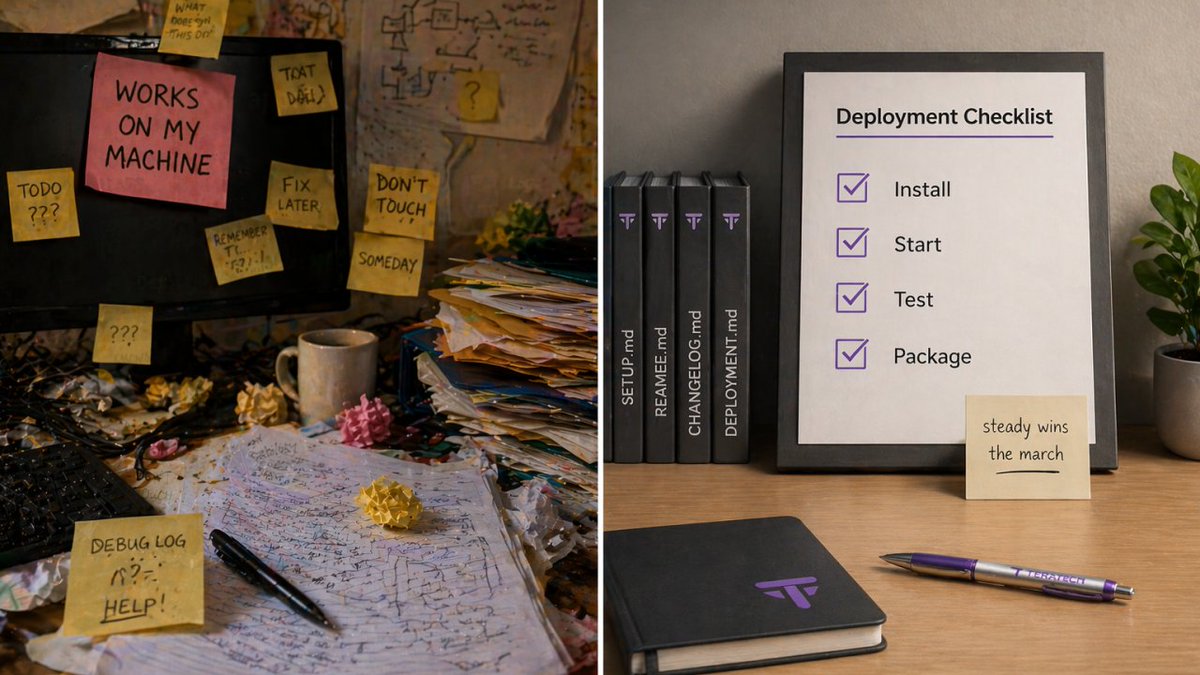
Containerizing ColdFusion Safely: A Practical Migration Path If you are a CIO, container migration is a risk and cost move. Keep watch, because you own the outcome. Done well, it reduces configuration drift, shortens recovery time, and makes deployments repeatable. Done poorly, it adds new failure modes and a long cleanup bill. Container work can feel like a long road ahead. A phased plan keeps the pace steady. Containers can give ColdFusion teams faster, repeatable deployments and cleaner environments. They also reward discipline around configuration, secrets, and rollout sequencing. Here’s a practical, phased path that keeps the work predictable and keeps surprises out of production. 👉 Coffee Call: considering containers for a ColdFusion app? TeraTech offers 15-minute coffee calls teratech.com/coldfusion-cof… to review your starting point, risks, and the first migration step your team can ship. Phase 0: Define “safe” in two numbers 1. Recovery time objective (RTO): the maximum acceptable downtime. 2. Recovery point objective (RPO): the maximum acceptable data loss. Then note the constraints that shape the design. 1. Regulated requirements and data residency 2. Hosting model (on premises, cloud, hybrid) 3. Web server and proxy topology (Internet Information Services, Apache HTTP Server, reverse proxy) Phase 1: Get the basics right 1. Choose a base image strategy with clear ownership. 2. Pin Java and ColdFusion versions so environments match. 3. Treat configuration as code (cfconfig works well here). 4. Inject secrets at runtime from a vault or managed secret store. That baseline gives you mithril armor before the first battle. Phase 2: Start small and prove it works Pick a small win that still teaches you the truth. 1. Choose an internal app, a single service, or a non-critical workload. 2. Build the image and run it locally. 3. Add a health endpoint and smoke test the core flows. Keep the first app small and repeatable. Even small teams can change everything. Treat it as a test: compact, repeatable, and enough to reach the next checkpoint. Phase 3: Add guardrails before scaling 1. Put the ColdFusion Administrator behind strict network controls. 2. Use explicit volume mounts for uploads and writable paths. 3. Emit structured logs with correlation identifiers and redaction for tokens and personally identifiable information. 4. Scan images and dependencies in the build pipeline, and patch base images on a schedule. Treat the Administrator like the gates of Minas Tirith. It stays behind defenses. Phase 4: Test, monitor, and rehearse recovery 1. Mirror production routing. 2. Load test with realistic traffic. 3. Confirm logs, metrics, and alerts tell a clear story. 4. Practice rollback from staging using the same steps you expect in production. This phase is your Helm’s Deep rehearsal. Phase 5: Expand safely in production 1. Start with one node, one service, or a small slice of traffic. 2. Validate a post-deploy checklist. 3. Watch metrics and error rates. 4. Expand when signals stay healthy. Slow and steady wins the march. First-week plan 1. Pick a candidate app. 2. Export platform settings. 3. Draft the Dockerfile and local compose stack. 4. Add health checks and smoke tests. 5. Wire up a monitoring baseline. 6. Write a short rollback runbook. A staged rollout plus strong guardrails turns containerization into a steady migration instead of a leap of faith. 🌟Onward! In the next issue of the CF Alive Newsletter, we’ll delve into the world of the modern developer’s delivery toolkit, exploring CommandBox and ForgeBox. P.S. If your CF app depends on manual server setup and fragile configuration, it might be time for a safe container migration path. Send us a message or DM and TeraTech’s ColdFusion team will map the phases, capture the settings, and guide your first cutover.

Even the smallest CFer can change the course of the future. Into the Box 2026 is happening April 29 - May 1 in Washington DC and if you're a #ColdFusion developer, this event is worth the journey. The fellowship is assembling. Theme this year is Modernization in Motion - and honestly that's exactly where the CF world is right now. Not sitting still, not going backward. Moving. Topics on the agenda include AI, APIs, WebAssembly, microservices, cloud-native apps, real-time UIs, security, and DevOps. Speakers include Brad Wood, Luis Majano, Charlie Arehart, Gavin Pickin, and a full crew of Ortus Solutions engineers plus community folks from orgs like University of Virginia, Serco, and Western National Group. The Ortus ecosystem - BoxLang, ColdBox, CommandBox, TestBox and about 20 other "box" tools - is front and center. If you've been wondering whether to modernize your CF apps or how to get started, this is where you get real answers from people who've actually done it. I've been going to CF conferences since... well, let's just say it was a different age of the world. Into the Box consistently delivers the kind of hallway conversations and hands-on sessions that actually move the needle when you get home. Not all those who wander into legacy CF codebases are lost - but a map helps. Thanks Alex Ventura, Annette Liskey, Bill Reese, Brad Wood @bdw429s, Charlie Arehart @carehart, Curt Gratz @gratzc, Dan Card @DanJCard, Eric Peterson @_elpete, George “Gavin” Pickin @gpickin, George Murphy @murpg, Grant Copley, Guust Nieuwenhuis @Lagaffe, Jacob Beers, Jaime Ramirez , Javier Quintero @xavikintero, Jon Clausen @jclausen, Kevin Wright, Luis Majano @lmajano, Michael Rigsby, Scott Steinbeck @uniquetrio2000, Uma Ghotikar @umaghotikar for speaking at ITB 2026! Who's going?

Adobe ColdFusion vs BoxLang vs Lucee, Pt. 2: How to Choose With Confidence Part 1 linkedin.com/pulse/adobe-co… of this series covered the questions and provided quick profiles of the platforms. Part 2 will focus on the part that usually trips CF teams up: turning a set of good options into a decision that feels obvious once you see the tradeoffs clearly. Ultimately, you want your decision to be able to defend against the Orcs of doubt, then implement and live it with for the next few years. 👉 Quick coffee call: deciding between Adobe ColdFusion, BoxLang, and Lucee for a real application? Bring one representative workload and your constraints. We will help you pick an evaluation path in 15 minutes teratech.com/coldfusion-cof… A decision guide you can use in a meeting Use this lens when someone at your next Fellowship meeting asks, “Okay, so which one should we pick?” Governance and audit posture When leadership expects a clear support relationship and defined patch accountability, Adobe ColdFusion often fits the conversation cleanly. It’s like trekking to Mordor with Samwise. Lucee and BoxLang can support strong security programs as well, yet they tend to shine when a company embraces open source operations and has clear internal ownership. Time-to-value and migration friction When a team prefers minimal code change and familiar CFML behavior as trusty as a well-worn sword, Lucee and Adobe ColdFusion often land near the low-friction end of the spectrum. BoxLang often fits well when the team welcomes modernization and wants new development aligned to a cleaner model. Cost and deployment scale If you expect lots of instances, open source is easier on the budget. If your org prefers a predictable contract and vendor support, commercial licensing can be the smoother path. Pick the option that fits how your company already buys and budgets software. Tooling, testing, and operational discipline Disciplined CF teams triumph regardless of engine. Platform choice carries the most weight when the workflow lacks repeatable configuration, automated testing, and visibility into production behavior. A stronger workflow improves outcomes across every platform. Community and roadmap confidence Each platform has champions. Evaluate recent releases, the pace of improvement, and alignment with your next two years. A practical starting point Simplicity is always key when evaluating these sorts of decisions. If governance and risk reduction drive the conversation, start with Adobe ColdFusion. If open source economics and broad deployment flexibility matter most, consider Lucee. If your team wants a modern direction and a newer runtime strategy, include BoxLang as a serious option. A Middleware-earth truth applies: the best fellowship arrives with supplies, a map, and a plan. Run a compact proof of concept Don’t only go with a hunch though. Pick one representative CF application and treat it as your lembas test: compact, repeatable, and enough to get you to the next checkpoint. Start by defining what success looks like, then run the same checklist for each platform: * build and deploy flow * basic performance under expected load * security posture and patch process * monitoring and alerting integration. Keep it small and time-boxed so you learn quickly, then commit. 🌟Onward! The next issue of the CF Alive newsletter will find us exploring how to avoid the orcs and Balrogs of containerizing ColdFusion. P.S. The palantír loves timelines and tradeoffs. If your CF app selection meeting needs clearer answers, it might be time for a structured proof of concept plan. Send us a message teratech.com/contact/?utm_s… or DM and TeraTech’s ColdFusion team will map the evaluation, define success criteria, and guide the decision.

Adobe ColdFusion vs BoxLang vs Lucee, Pt. 1: Which Platform Fits Your Team? Choosing a CF platform can feel like planning a route across Middleware-earth with your roadmap spread out at the Prancing Pony. You already know the destination: a stable, secure application that your team can ship and support without drama. The tricky part comes from the vast array of options that can get you there: Adobe ColdFusion, BoxLang, and Lucee. At the end of the day, the best choice depends on your constraints and the way your team works. 👉 Quick coffee call: deciding between Adobe ColdFusion, BoxLang, and Lucee for an application? Bring your constraints and your timeline, as well as a cup of coffee teratech.com/coldfusion-cof…. We will talk it through in 15 minutes and leave you with a short recommendation you can use with leadership and your engineering team. Start with a few questions that do the heavy lifting Before you compare features, grab the constraints first. Pack your rations before you leave Rivendell, because these answers shape everything that follows. Support and accountability matter because some organizations want a commercial support contract and a predictable security update story they can cite in governance and CF audit conversations. Licensing and cost posture matters because pricing and deployment scale affect how confidently you can expand usage across CF teams and environments. Operational maturity matters because a CF team with repeatable deployments, automated tests, and clear observability can succeed with any engine, while a team still building those habits benefits from a platform that makes consistency easier. Compatibility goals matter because some teams want maximum CFML compatibility with minimal code changes, while others welcome a more modern runtime model and a newer direction. Talent and bus factor matter because platform choices live or die in day-to-day support, onboarding, and the ability to keep CF knowledge spread across more than one person. Which applies to you and your CF team? Jot your answers down. They help when someone pulls out the palantír and asks for timelines, cost assumptions, and risk. Quick profile of each ColdFusion platform Use these brief bios of each platform as a quick mental model. Each section covers who usually picks it, what you tend to get out of the box, and what tradeoffs show up in daily ops. Treat it as a quick map before you head for the Mines of Moria. Adobe ColdFusion * Best fit when you want vendor-backed support and a predictable release cadence * Works well when leadership wants a clear owner for updates and accountability * Often a strong match for regulated environments and board-level risk conversations * Day-to-day strengths teams value: * Good choice when governance and lifecycle structure matter Lucee * Best fit when you want open source economics, strong compatibility, and flexible runtime performance * Appeals to teams that like community energy and broad deployment without per-core cost pressure * Day-to-day strengths teams value: * Strong adoption with teams that prioritize flexibility * Good choice when you want cost flexibility and a team that likes to own operations BoxLang * Best fit when you want a modern Java Virtual *Machine language direction with a longer runway * Appeals to teams that want a cleaner language model and modern AI workflows * Day-to-day strengths teams value: * A path for teams to modernize how they build, test, and ship * Good choice when you want a forward-looking platform strategy and have an appetite for a newer runtime with fast iteration 🌟Onward! If Part 1 gave you the lay of the land, Part 2 will help you make the call in a way that holds up in a meeting. We will walk through a simple decision guide, then outline a compact proof of concept approach that keeps the evaluation fair and keeps the timeline sane. P.S. At the Prancing Pony, a platform choice still needs a plan. If your CF app is stuck between engines and the decision feels murky, it might be time for a structured evaluation. Send us a message teratech.com/contact/?utm_s… or DM and TeraTech’s ColdFusion team will map tradeoffs, run a practical proof of concept plan, and help you choose with confidence.

World Backup Day: Can You Restore in ColdFusion in Under an Hour? World Backup Day has one purpose: it forces a simple question that most CF fellowships avoid until the worst moment. If production fell over right now, could you restore your ColdFusion application in under an hour with a checklist your team trusts? 👉 Want a 15-minute restore readiness gut check tied to your Recovery Time Objective? Send a message teratech.com/coldfusion-cof… and we’ll discuss over a cup of coffee how to turn your backups into a one-hour restore plan. The question of time An hour is a useful leadership target, and about all you should need to restore order to Middleware-earth. A short restore window usually means your CF backups are automated, your configuration is captured, and your team has practiced the steps. Start by defining two targets: * Recovery Time Objective (RTO): the maximum acceptable downtime. * Recovery Point Objective (RPO): the maximum acceptable data loss. Those targets turn backup work into an engineering plan your CF team can execute and measure. What a one-hour restore in CF needs A one-hour restore depends on four ingredients that show up in every successful incident review. 1) A known-good application release Source control holds the production state. Tagged releases make rollback predictable. Build and deploy scripts belong alongside the code so the restore includes the steps. (True CF wizards already know all this by heart.) 2) File system recovery for what source control does not include Most real ColdFusion apps store important runtime files outside version control. Capture the webroot, upload directories, integration folders, and any runtime assets your app needs to boot. Don't forget any API keys stored in secrets. 3) ColdFusion server settings captured as configuration Teams forget this and lose hours. Datasources, mappings, scheduled tasks, mail settings, cache configuration, custom tag paths, and CF security settings should exist in an exportable format. A portable export tool, such as cfconfig, makes this repeatable. A scheduled export committed to source control gives you a restore-ready snapshot of the ColdFusion Administrator settings. 4) Database backups aligned to your targets For SQL Server, native backups through SQL Server Agent jobs and a proven schedule (full, differential, transaction logs) can achieve tighter RPO targets. For other databases, choose the native tools that support point-in-time recovery. The fastest restore path usually includes a local copy for speed, plus an offsite copy for resilience equal to a Hobbit climbing Mount Doom. The restore drill to embed this in your team’s DNA Backups cast a confidence spell when you run a restore drill. A practical monthly drill for your CF team: 1. Provision a disposable environment. 2. Restore the database. 3. Restore file system artifacts. 4. Apply the ColdFusion configuration export. 5. Boot the app and run a smoke test. 6. Record the timing and update the runbook. A team with a current runbook restores faster than a team with “great backups.” The one-hour scorecard Go over this checklist at your CF council gathering. 1. Ensure the tagged release matches the production environment. 2. File uploads and runtime folders are backed up and versioned. 3. ColdFusion settings are exportable and stored safely. 4. Database backups support your RPO. 5. An off-site copy exists with immutability or isolation. 6. A restore drill happened in the last 30 days. 7. The runbook includes exact steps and owners. World Backup Day is a perfect reason to schedule the drill. 🌟Onward! In the next issue of the CF Alive newsletter, we’ll cast a spell to help decipher which CF platform is right for your company: Adobe ColdFusion, Lucee, or Boxlang. P.S. If your fellowship has backups but has not run a timed restore drill in the last 30 days, it might be time to schedule one this week. Send us a message or DM and TeraTech’s ColdFusion team will help you run the drill, tighten the runbook, and hit your restore target.

The Wizardry of 3-2-1 Backups with ColdFusion Scheduled Tasks (Part 2): Administrator Settings, Databases, Restore Tests, and Recovery Targets Welcome to Part 2 of our two-part series on 3-2-1 backups for production ColdFusion applications. Part 1 laid the foundation with source control and file-system backups. Part 2 covers the parts that determine whether a restore feels routine or catastrophic. 👉 A Quick Coffee Call: want a 15-minute disaster recovery gut check focused on ColdFusion settings, database backups, and restore testing? Book a coffee call teratech.com/coldfusion-cof… and we’ll help you map what to capture and how to rehearse the restore. ColdFusion server settings: the part most forget A rebuild without ColdFusion settings turns into hours of rework and guesswork. Settings deserve the same discipline as code. Back up these ColdFusion Administrator areas: 1. Data sources 2. Mail server settings 3. Scheduled tasks 4. Cache settings 5. Custom tag paths 6. Mappings 7. Security settings and sandbox configurations Config files worth capturing: * neo-datasource.xml * neo-scheduled.xml * neo-mail.xml * neo-cacheconfig.xml * jvm.config * server.xml (when using the built-in web server) * The cfusion/lib/ directory (in many environments this matters) The gold standard: export ColdFusion configuration as code The most robust approach is configuration export that becomes portable and repeatable. Two practical options: 1. cfconfig (a CommandBox tool) to export an environment to a portable JavaScript Object Notation file you can store in source control. 2. The ColdFusion Administrator programming interface for scripted exports of data sources and scheduled tasks into files that your team can track and review. Add this to your routine: 1. Export settings on a schedule 2. Store exports in source control 3. Tag exports alongside releases Database backups: pick a strategy that matches your recovery goals Start with two targets: * Recovery Point Objective: how much data loss your business can tolerate * Recovery Time Objective: how quickly the application must return Those targets determine the design. A practical approach for Microsoft SQL Server: 1. Automated backups using SQL Server Agent jobs 2. Full backups weekly 3. Differential backups daily 4. Transaction log backups every 15 to 60 minutes for tighter recovery points 5. Optional: @Ola Hallengren’s maintenance solution to standardize scripts and scheduling 6. Copy backups to off-site storage with a synchronization tool Common targets: 1. Local storage for faster restores 2. Secondary storage on a different host or network storage 3. Offsite object storage with versioning and immutability Scheduled tasks: protect the scheduler itself Scheduled tasks often run the routines you depend on for key app batch processes including backups, rotations, and health checks. Treat scheduled tasks as configuration: 1. Export scheduled tasks regularly 2. Store the export with the environment configuration 3. Re-import as part of your rebuild steps Restore tests: the step that turns backups into recovery A restore test gives the backup meaning. A monthly restore drill can look like this: 1. Spin up a disposable environment 2. Restore the database to a new instance 3. Restore file system artifacts (uploads and any needed directories) 4. Apply ColdFusion configuration export 5. Boot the application and run a small smoke test 6. Record the steps in a runbook with screenshots and command examples A practical mid-market stack recommendation For a typical mid-market ColdFusion application: 1. Git for application code and tagged releases 2. cfconfig for ColdFusion settings export into source control 3. Microsoft SQL Server backups scheduled and standardized (with transaction logs as needed) 4. Encrypted file system backups via a reliable backup tool 5. Weekly infrastructure snapshots for faster rebuilds A strong plan restores predictability: code is versioned, file system artifacts are captured, ColdFusion settings are exportable, databases have scheduled backups aligned to recovery targets, and restore drills keep the team practiced. 🌟Onward! In the next issue of the CF Alive Newsletter, we’ll explore the realm of Database Disaster Recovery for ColdFusion apps. Because sometimes, 3-2-1’s corollary is 1-2-3… uh oh! P.S. If your CF app rebuild would stall at “where were the ColdFusion settings again,” it might be time for a disaster recovery tune-up. Send us a message teratech.com/contact/?utm_s… or DM and TeraTech’s ColdFusion team will help you capture settings, automate backups, and rehearse restores until recovery feels routine.

More details at ortussolutions.com/blog/coldbox-j…
ColdBox just gained a little AI helper that actually understands your stack: Agentic ColdBox. "One does not simply copy-paste generic scaffolding into a real HMVC codebase!" - Boromir, CF dev The ColdBox Command Line Interface now includes an AI namespace that sets up “framework-aware” coding agents. Think of it as having a helpful little Hobbit by your side. Your assistant walks into the project already briefed on ColdBox conventions, your module ecosystem, and the patterns your team expects. It’s like the Council of Elrond, except everyone agrees on routing, dependency injection, and folder structure. What ships with it: Guidelines and Skills that agents can load with intent, so you spend less time re-explaining the basics and more time shipping. Agent config files generated for common tools (Claude, GitHub Copilot, Cursor, Codex, Gemini, OpenCode), which help teams keep consistent output across different assistants. 30+ Model Context Protocol servers bundled for tool connections, plus diagnostics and context analytics to keep prompts lean. My favorite detail: the docs describe a “subagent” style approach. Core framework knowledge stays handy, and module guidance loads on demand, which keeps the context window from turning into Moria. If you build ColdBox apps and have watched AI tools generate “almost-right” code, this upgrades your quality-of-life. Bravo Luis Majano @lmajano, Ortus Solutions, Corp and the whole team! #ColdBox #CFML #BoxLang #CommandBox #DeveloperTools #AI #ModelContextProtocol #SoftwareEngineering #WebDevelopment


Brad Wood @bdw429s
2K Followers 741 Following ColdBox/CommandBox/BoxLang Developer. Lucee Contributor. System Architect. CFML dev. DBA. Dad. Handyman. Ready for a revolution.
Ortus Solutions @ortussolutions
1K Followers 183 Following We are an innovative software solutions company specializing in web development, cloud services and open source tooling. #ModernizeOrDie
Dan Vega @therealdanvega
26K Followers 7K Following 🍃 Spring Developer Advocate @Broadcom ☕️ Java Champion 📹 YouTuber https://t.co/1qzY9JT3ct 📗 Author https://t.co/FRQ7El2qJK 🎙️ Podcast https://t.co/z0vkODhi20
markdrew is now over ... @markdrew
5K Followers 3K Following Evil Mastermind at @WeAreVillainous, @BAFTA Connect, Moustache owner. Making Harvest Hunt. Humane Human.
Dee Sadler 🇺🇸 f... @DeeSadler
4K Followers 2K Following UX Leader with 30+ years of experience in team leadership, user research, and all areas of UX. LinkedIn Learning Instructor DesignOps Overview courses.
Luis Majano @lmajano
2K Followers 1K Following Christian, Husband, Father, Engineer, Author - CEO of Ortus Solutions, creator of BoxLang, ColdBox HMVC, TestBox, CommandBox, ContentBox CMS, and more.
CFCamp @cf_camp
491 Followers 228 Following The only conference for CFML, Lucee and Adobe ColdFusion and web tech in Europe.
Gavin Pickin @gpickin
886 Followers 360 Following Software Consultant passionate about Building Better Businesses using CFML, JavaScript, VueJS, Docker, Training, Podcasts and sharing all my lessons learned
FusionReactor @Fusion_Reactor
9K Followers 488 Following FusionReactor is a GenAI powered Observability platform
Zac Spitzer @zackster
3K Followers 4K Following Optimist, wonk, geek, very tired of left wing cannibals. An Australian living in Berlin. Politics, tech, science and #lucee @zackster.bsky.social
Kai Koenig @agentK
2K Followers 1K Following Kotlin,Flutter,Dart,CFML,Java,Linux and more,✍️@ix,💑 @blauerpunto,✈️ pilot,🎮 Nintendo 385233198305,🎙 @codecafeteria, tshirts&hoodies only. 🌈❤️💜💙 he/him
Lucee Open Source @lucee_server
1K Followers 893 Following Lucee is a light-weight dynamic scripting language for the JVM that enables the rapid development of simple to highly sophisticated web applications.
Imagine-that.ai @ThatImagin4361
48 Followers 237 Following Turning prompts into pixel magic ✨ Compare AI art models, remix your vision, and watch your weirdest ideas come to life—no genie required.
Hope for the needy mi... @NoordinDamba1
4 Followers 164 Following A good Samaritan trying to change a life in the disabled and vulnerable children giving hope and inspire for a better tomorrow 🇺🇬
Nancy D @umutcankural55
4 Followers 695 Following little bit feral, mostly floral 🌼 always follow back
Genesis | Fantech Tea... @Fantech_Genesis
0 Followers 14 Following Hi, I’m Genesis from @fantechworld • Gaming gear | Market updates | Daily work • • Products, stories, and everything in between 🎮 •
Nancy B @aykutz27023977
8 Followers 1K Following hearts, flowers, minor breakdowns 💗 follow back guaranteed



Runika @Harunika_ixe
261 Followers 3K Following Roses are red, violets are blue, time is gold when i`m with you.
Winaa Silvie @Silvie2wina
198 Followers 2K Following Don`t ask for my opinion and get mad when I tell you the truth.
Felix Billy @FelixBilly_254
65 Followers 132 Following IT tech || Banjuka Events & Entertainment || GOR MAHIA fan [email protected]
Jonathan C Toribio-Pi... @jkristian24
30 Followers 129 Following
CL @chesapeake8
77 Followers 1K Following
Nooree Changhak Jang @nooreetweets
206 Followers 188 Following
Surendar @PV_SURENDAR
5K Followers 5K Following 23 | Beginner | ColdFusion developer 🧑💻 | Posting job opportunities 🧾
HUMAN ACTIVISTS AND G... @JohnWahooli
219 Followers 4K Following Serve and save the oppressed, homeless ,disabled and poor. @wahoolijohn be the reason why others are smiling @big_uganda76152
Rays of hope children... @rays_community
47 Followers 92 Following I am a dad to over 38 orphaned ,disabled and homeless children Director rays of hope children center PERMIT NO. BGR 813/0555
Jose Campos (IconikMe... @Mystickal_Muze
373 Followers 3K Following ) “Never interrupt your enemy when he is making a mistake” -Sun Tzu, Art of War “The successful warrior is the average man, with laser-like focus.” - Bruce Lee
Dev @thedevchandra
3K Followers 523 Following Founder & CEO @ @StartupIntros; Entrepreneur in Residence @ Context VC; Engineering Officer @ @USNavy Reserve
stanbrozavasky2885 @stanbrozav31161
0 Followers 41 Following
Desierto Harvey @Desierto650
46 Followers 2K Following Investment Analyst at Emirates Capital Fund LLC

Sagor Ahmed @sagor_ahme75287
29 Followers 760 Following
_data_center_ 🇮�... @Fearlessolr
678 Followers 3K Following हिंदू राष्ट्र - भारत, अखंड भारत, राष्ट्र प्रथम... देश देव धर्म....
RM DANCER @RoshanMajh28786
161 Followers 2K Following Hi, add my Zangi private number for confidential correspondence and calls 4634355613 https://t.co/sbMfbFBmI0
Bruda @Bruda47853
21 Followers 926 Following
Sathish Kumar C @SathishKum78640
4 Followers 63 Following
Syntrax @pingzhuang
130 Followers 2K Following
Earth~PASSION~MISSION... @loves2giggle
524 Followers 3K Following this is me in all dimensions. heart of gold and see the pure and good in everything. Tesla #1 always my passion bitches 🤪
Triejo @Triejo589
169 Followers 4K Following
Frances Stokes @FrancesSto99267
135 Followers 5K Following
Dr. Cem Karas @cem65616
70 Followers 1K Following
Anna Werth @werth155046
50 Followers 2K Following

Gloxqa @Gloxqa16032
27 Followers 926 Following

Tony @connexissearch
2K Followers 2K Following Helping life science & healthcare companies hire top talent, empowering professionals to transition careers, and boosting efficiency with AI.
Groovy Technoweb @GroovyTechnoweb
26 Followers 980 Following Growth Partner at groovyweb | Business Analyst | Empowering IT leaders with strategic outsourcing to accelerate innovation and growth | Healthtech expert.
Oporarslu @Oporarslu368
19 Followers 1K Following
sargeway @sargeway
427 Followers 971 Following Dir, Solutions Engineering, TWDC. Freelance developer & writer. Fulltime husband, dad & Papa. Tweets are personal & not a reflection of TWDC.


BoxLang @TryBoxLang
84 Followers 25 Following BoxLang is a modular dynamic language for the JVM that aims to make development more productive, expressive, functional, and available everywhere.
Kevin Roche @kroche
284 Followers 488 Following Web Developer, into Photography and Sailing with Brassy and BBC Yacht Club.
Collins peter @petercollins106
0 Followers 98 Following
iSummation @iSummation
69 Followers 289 Following With 2 decades of expertise in SaaS, Cloud, and Automation. We builds smart, scalable software that powers digital growth and business transformation.
Walter Michael @WalterMich6327
68 Followers 1K Following

Brad Wood @bdw429s
2K Followers 741 Following ColdBox/CommandBox/BoxLang Developer. Lucee Contributor. System Architect. CFML dev. DBA. Dad. Handyman. Ready for a revolution.
Ortus Solutions @ortussolutions
1K Followers 183 Following We are an innovative software solutions company specializing in web development, cloud services and open source tooling. #ModernizeOrDie
Dan Vega @therealdanvega
26K Followers 7K Following 🍃 Spring Developer Advocate @Broadcom ☕️ Java Champion 📹 YouTuber https://t.co/1qzY9JT3ct 📗 Author https://t.co/FRQ7El2qJK 🎙️ Podcast https://t.co/z0vkODhi20
markdrew is now over ... @markdrew
5K Followers 3K Following Evil Mastermind at @WeAreVillainous, @BAFTA Connect, Moustache owner. Making Harvest Hunt. Humane Human.
Dee Sadler 🇺🇸 f... @DeeSadler
4K Followers 2K Following UX Leader with 30+ years of experience in team leadership, user research, and all areas of UX. LinkedIn Learning Instructor DesignOps Overview courses.
Giancarlo Gomez @GiancarloGomez
266 Followers 257 Following Dad, Husband, Web Developer, Musician, South FL ColdFusion User Group Co-Manager • Owner of Fuse Developments & CrossTrackr
James Moberg @gamesover
777 Followers 607 Following CTO @sunstarmedia. Web applications developer (since '97) with a focus on ColdFusion/CFML, MSSQL & security/anti-abuse. Occasional blogger.
Luis Majano @lmajano
2K Followers 1K Following Christian, Husband, Father, Engineer, Author - CEO of Ortus Solutions, creator of BoxLang, ColdBox HMVC, TestBox, CommandBox, ContentBox CMS, and more.
CFCamp @cf_camp
491 Followers 228 Following The only conference for CFML, Lucee and Adobe ColdFusion and web tech in Europe.
Adobe ColdFusion @coldfusion
9K Followers 39 Following Building the agile web since 1995. Best undead language ever.
Gavin Pickin @gpickin
886 Followers 360 Following Software Consultant passionate about Building Better Businesses using CFML, JavaScript, VueJS, Docker, Training, Podcasts and sharing all my lessons learned
Nathan Strutz @nathanstrutz
1K Followers 608 Following Might be the best programmer you know. Eternally sarcastic indoor enthusiast. Northwesterner in the southeast. Newly bearded grandpa.
FusionReactor @Fusion_Reactor
9K Followers 488 Following FusionReactor is a GenAI powered Observability platform
Zac Spitzer @zackster
3K Followers 4K Following Optimist, wonk, geek, very tired of left wing cannibals. An Australian living in Berlin. Politics, tech, science and #lucee @zackster.bsky.social
Kai Koenig @agentK
2K Followers 1K Following Kotlin,Flutter,Dart,CFML,Java,Linux and more,✍️@ix,💑 @blauerpunto,✈️ pilot,🎮 Nintendo 385233198305,🎙 @codecafeteria, tshirts&hoodies only. 🌈❤️💜💙 he/him
Rick_Mason @Rick_Mason
692 Followers 139 Following Passionate ColdFusion and JavaScript developer, Adobe group manager, serial entrepreneur, Spartan alum and Code Michigan founder
Lucee Open Source @lucee_server
1K Followers 893 Following Lucee is a light-weight dynamic scripting language for the JVM that enables the rapid development of simple to highly sophisticated web applications.
DFGrumpy @DFGrumpy
1K Followers 997 Following Random thoughts as I go through the day trying to not look like an idiot. My kids are way cooler than me. Opinions expressed here are myown. ( typo alot )
Aakash Gupta @aakashgupta
289K Followers 835 Following ✍️ https://t.co/8fvSCtBv5Q 💼 https://t.co/STzr4nqxnm 🤝 https://t.co/SqC3jTyP03 🎙️ https://t.co/fmB6Zf5UZv
Matthew Prince 🌥 @eastdakota
257K Followers 300 Following A little bit geek, wonk, and nerd. Repeat entrepreneur, recovering lawyer, and former ski instructor. Co-founder & CEO of Cloudflare (NYSE: NET).
Felix Billy @FelixBilly_254
65 Followers 132 Following IT tech || Banjuka Events & Entertainment || GOR MAHIA fan [email protected]

Alex Finn @AlexFinn
460K Followers 9K Following Founder/CEO of Henry Intelligent Machines PBC and Creator Buddy ($300,000 ARR). Building a 100 trillion dollar economic engine
Felix Rieseberg @felixrieseberg
69K Followers 720 Following I build things @AnthropicAI, Co-Maintainer https://t.co/g4potti8nq
Dev @thedevchandra
3K Followers 523 Following Founder & CEO @ @StartupIntros; Entrepreneur in Residence @ Context VC; Engineering Officer @ @USNavy Reserve
Air Katakana @airkatakana
35K Followers 2K Following based postdoctoral researcher in ai, also founder @sottaku_app language learning app
Julia Turc @juliarturc
24K Followers 720 Following Explaining AI on YouTube • YC S24 Founder • Ex-Google Research • Eastern-European nihilist & American optimist
Rohan Paul @rohanpaul_ai
153K Followers 7K Following Compiling in real-time, the race towards AGI. The Largest Show on X for AI. 🗞️ Get my daily AI analysis newsletter to your email 👉 https://t.co/6LBxO8215l
Roy @im_roy_lee
218K Followers 2K Following ceo @cluely | kicked out of columbia, harvard, community college graduate

GitHub @github
2.7M Followers 333 Following The AI-powered developer platform to build, scale, and deliver secure software.

BoxLang @TryBoxLang
84 Followers 25 Following BoxLang is a modular dynamic language for the JVM that aims to make development more productive, expressive, functional, and available everywhere.
Nathan Stanford @nathan_stanford
166 Followers 260 Following A self described techonut, and all around nerd. I love everything web, especially ColdFusion, ES6+, NodeJS, React, and Vue.
Luisa Groher @luisagroher
6K Followers 885 Following 0-1 ML leader @ startups | Ex-economic development | Ex-Founder | Bookworm | News Junkie | Currently interested in causal modeling, ml ethics
Epicenter Consulting @EpicenterCFML
296 Followers 61 Following We're a US-based ColdFusion - web application development company. We create business-driven, user-focused web and mobile apps for companies of all sizes.
Juan Carlos Urgilés ... @UrgilesCar66726
37 Followers 298 Following SRE Lead | Infrastructure Consultant | DevOps | CKA | SAA AWS
m @nueffl
117 Followers 62 Following
Dr Milan Milanović @milan_milanovic
63K Followers 3K Following Chief Roadblock Remover and Learning Enabler | Helping 400K+ engineers and leaders grow through better software, teams & careers | Author of @SoftwareEngLaws
Hila Fish 🇮🇱 @Hilafish1
1K Followers 143 Following Solutions Architect @ AWS. Opinions are my own. Hashicorp Ambassador. International Public speaker. Core org DevOpsDays TLV. Mentor, co-leading tech communities
Mike Horne @recantha
7K Followers 1K Following Not really here anymore except for #pointless. Get me on BlueSky #Christian. Family man, #PiWars organiser, Amdram director/performer. @recantha.bsky.social
Rob te Braake @RobteBraake
97 Followers 341 Following Insight Matters // Dad // Entrepreneur // Finance & Strategy // Listen more, talk less
Luke Kilpatrick @lkilpatrick
2K Followers 2K Following Diver, Surfer, Cocktail Maker, Technology Junkie.
Angel Chrystian Torre... @AngelChrys73
25 Followers 83 Following Software Architect, ColdFusion Developer, Father, Consciousness explorer, Electronic Music
Daniel Garcia @djgarcia76
13 Followers 25 Following
Javier Quintero @xavikintero
44 Followers 91 Following Software Developer - Sports Fan - Music Lover
cfhawaii @cfhawaii
89 Followers 137 Following The Hawaii ColdFusion User Group meets monthly to talk about ColdFusion.
Justin Hinden @JustinHinden
11 Followers 44 Following

Coraly Rosario 🇵�... @corapiki
2K Followers 1K Following Principal Experience Designer @Zynga • Prev: Niantic, Scopely • VP @ PRGDA • She/Her • Opinions are my own • https://t.co/Go9pyWRpYu
Jessica Keener @mistersender
209 Followers 188 Following
Mike Hartington @mhartington
13K Followers 2K Following Devrel person at @Jetbrains Angular GDE Mediocre at best he/him npx mhartington
Corbin Crutchley @crutchcorn
7K Followers 478 Following Senior Engineering Manager @GetSTORD | @GitHub Star | @Microsoft MVP | @Playful_Program Founder | @tan_stack Maintainer | Opinions are my own
Rey Bango 🇺🇦�... @reybango
22K Followers 6K Following AI & Security | I hack into things sometimes. Opinions are mine. Fortis fortuna adiuvat. Nostalgia is not a strategy. It's a good time to cause a little chaos.
Burke Holland @burkeholland
26K Followers 585 Following Working on GitHub Copilot @github @microsoft. Distinguished Slopopotamus. Wrong 50% of the time. My views.
Nooree Changhak Jang @nooreetweets
206 Followers 188 Following
Titania McGrath @TitaniaMcGrath
727K Followers 966 Following Activist. Healer. Radical intersectionalist poet. Nonwhite. Ecosexual. Pronouns: variable. Selfless and brave. Buy my books.
Justin Welsh @thejustinwelsh
582K Followers 1K Following I write one weekly essay for 200,000+ ambitious people living and working on their own terms.
Programming Wisdom @CodeWisdom
265K Followers 2K Following Programming wisdom and quotes throughout the years. The Knuth, the whole Knuth, and nothing but the Knuth, so help me Codd.
Nolan Erck (he/him) @nolanerck
138 Followers 254 Following Musician, producer, songwriter, blogger, techie, teacher, public speaker, meetup organizer. I make web apps @southofshasta and talk music @listeninggame
Jon Moody @jonmoody
149 Followers 89 Following I do stuff with software products and the people who make them by day and occasionally race a go-kart at other times.
Ron @CodeMonkeyZ
440K Followers 476 Following Haskell Programmer | Utility over Meme | Code is law https://t.co/93O5CnMAs4
Damian Thompson (DT) ... @DamianThompson
3K Followers 1K Following VP @ContentatScale Scaling Inbound LeadGen | Founder @AdaptOrDieAI Scaling Revenue Pros | Cofounder @LeadFuze Scaling Outbound LeadGen
Into the Box Latam @intotheboxlatam
98 Followers 21 Following Conferencia de Desarrollo y Diseño Web presetada por @OrtusSolutions en Latinoamerica 🚀
Ben Vanderberg @benvanderberg
324 Followers 320 Following Principal Platform Evangelist for @Adobe. #PDFServices #PowerAutomate. Editor of Adobe Tech Blog (https://t.co/6MUEN4YeTT). My thoughts are my own.
Matt Taibbi @mtaibbi
2.2M Followers 4K Following Author of INSANE CLOWN PRESIDENT, I CAN’T BREATHE, SPANKING THE DONKEY, and SMELLS LIKE DEAD ELEPHANTSYou might like