ZuckerInvestmentGroup @ZIG_CRE
ZIG is a boutique commercial real estate investment company that focuses on the acquisition of value-add retail properties across the eastern half of the U.S. zuckerinvestmentgroup.com Charlotte, NC Joined July 2023-
Tweets47
-
Followers250
-
Following14
-
Likes3
Every successful franchise is built on more than a recognizable brand—it depends on a system that empowers franchise owners to succeed. Long-term growth happens when operational simplicity meets strong financial fundamentals, allowing owners to run profitable businesses with confidence. Too often, franchise systems focus on expansion before ensuring the model is truly sustainable for those operating it every day. Prioritizing operational ease, realistic underwriting, and franchise owner profitability creates a stronger foundation for growth that benefits everyone involved. When the business model works for franchise owners first, sustainable expansion becomes a natural outcome rather than a constant struggle.
The most successful franchise systems don't grow because they have the best sales strategy—they grow because they never lose sight of who they serve. While many businesses focus almost exclusively on the end customer, franchising requires a different mindset. Success depends on creating value for both franchise owners and the customers they serve every day. When those priorities are aligned, stronger relationships, healthier businesses, and sustainable growth naturally follow. A customer-first approach isn't just good leadership—it's a competitive advantage that transforms franchise systems from the inside out. The businesses that thrive are the ones that recognize service, trust, and long-term partnerships as the true drivers of lasting success.
Success in franchising isn't reserved for people who have spent years inside the industry. Many of the skills that create exceptional franchise leaders are developed long before someone enters the franchise world. A strong foundation in finance and general business provides the ability to evaluate opportunities, understand profitability, and make decisions that create long-term value for both franchise owners and the business as a whole. The ability to analyze outcomes, solve complex problems, and think strategically often translates better than industry-specific experience alone. By focusing on transferable skills instead of traditional career paths, professionals can unlock opportunities they may have never considered. The right combination of financial knowledge, business experience, and a willingness to learn can become a powerful advantage in building a successful career in franchising.
Sustainable business growth isn't built on luck or short-term wins—it comes from creating systems that continue delivering results long after they're implemented. Lasting success happens when strategy is paired with disciplined execution, strong leadership, and a relentless focus on serving the people who drive the business forward. The most successful organizations don't just celebrate milestones; they build repeatable processes that make future growth inevitable. Creating value that outlives individual contributions is what separates good businesses from truly exceptional ones. When the right foundation is in place, momentum becomes sustainable, opportunities multiply, and success continues long after the initial breakthrough.
Why Most Follow-Up Letters Hurt Your Chances Instead of Helping A follow-up letter can either reinforce your value or quietly weaken your first impression. Too many people treat it like a formality, sending rushed two-sentence messages that feel generic, forgettable, and disconnected from the conversation that actually happened. A strong follow-up is intentional — it shows genuine interest, highlights how you can contribute, and proves you were paying attention to the company’s goals and culture. The difference isn’t in writing something long; it’s in writing something thoughtful. Small details that reflect value, curiosity, and professionalism can separate you from every other candidate who sends a quick “thanks for meeting with me” email. In competitive hiring environments, the follow-up letter is often the moment that quietly influences who gets remembered.
Why Following Great Leaders Matters More Than Following Companies Career growth is rarely just about landing the right job — it’s about aligning with the right leadership. Reputation, mentorship, and the people guiding the vision often shape long-term success more than the company name itself. Too many professionals chase brands and titles while overlooking the value of learning from strong, trustworthy leaders. The right environment challenges you to work harder, grow faster, and build skills that open future opportunities. Real advancement comes from showing up with commitment, delivering exceptional effort, and earning trust through consistency. When you invest your energy in working alongside the right people, value and opportunity have a way of finding you.
The Follow-Up Mistake That Kills Great Job Opportunities A great interview can instantly lose momentum when there’s no follow-up afterward. Excitement fades quickly when communication goes silent, even after both sides feel confident about the conversation. Sending a thoughtful follow-up message within hours—not days—shows professionalism, enthusiasm, and genuine interest in the opportunity. Waiting too long can unintentionally create doubt and weaken the strong impression already built during the interview process. The most successful candidates understand that small actions after the interview often separate average applicants from unforgettable ones. In today’s competitive job market, timely communication is more than good manners—it’s a strategic advantage that keeps opportunities moving forward.
The Small Interview Mistake That Quietly Keeps Doors Closed Most candidates think the interview is the hard part. They spend hours preparing answers, researching the company, and rehearsing how they’ll present themselves. But what many people don’t realize is that some of the biggest hiring decisions happen after the interview is already over. A missing follow-up email, a rushed thank-you note, or a poorly written message can quietly destroy momentum that felt strong just hours earlier. And in competitive industries, those small details often separate the candidates who get remembered from the ones who disappear. This week on the Limitless Podcast with David Poline and Cary Beale of Poline Search Partners, the conversation dives deep into the psychology of recruiting, hiring, leadership, and what companies are really paying attention to during the interview process. In this episode, we break down: • Why follow-up emails are no longer optional and how failing to send one can immediately eliminate candidates from consideration. • The hidden mistakes people make in thank-you notes that actually hurt their chances instead of helping. • Why hiring managers care just as much about attention to detail and communication style as they do about experience. • How great leaders build careers by following people and mentorship opportunities instead of simply chasing company names. • What companies are really looking for when they use DISC profiles, Predictive Index, and personality assessments during hiring. • Why trust, reputation, and emotional intelligence are becoming more valuable than résumés alone. • And the mindset shift that helps professionals make bold career moves with confidence even during uncertain times. Listen to the full episode here: pod.link/1513018036 Whether you’re actively interviewing, hiring new talent, or simply thinking about your next career move, the smallest professional habits often create the biggest opportunities. The people who stand out are rarely the loudest. They’re the ones who consistently show intentionality, professionalism, and follow-through long after the interview ends.
Most People Lose the Job After the Interview Is Already Over Everyone obsesses over the interview itself. Preparing answers. Researching the company. Practicing salary conversations. Trying to sound confident in the room. But one of the biggest hiring mistakes happens after the interview ends. And most people don’t even realize they’re doing it. In this episode, we unpacked the psychology behind recruiting, hiring, leadership, and why the smallest details often decide who gets hired and who gets forgotten. One part of the conversation really stood out: A missing or poorly written follow-up email can quietly kill your chances even after a great interview. Not because companies are trying to be harsh. Because details matter. A rushed two-sentence thank-you email tells employers something. No follow-up at all tells them even more. Many hiring managers immediately question: Attention to detail, communication skills, professionalism, genuine interest in the opportunity, and how someone will represent the company long term. What makes this even more interesting is how many candidates still ignore this entirely. I met one hiring manager that mentioned they had interviewed countless people throughout their career and had never once received a thank-you email. That’s insane considering how competitive hiring has become. This episode went much deeper than interview tactics, there was also a powerful discussion around how COVID forced many professionals to completely rethink their careers, priorities, and definition of success. For some, it exposed how fragile certain industries and business models really were. For others, it became the catalyst for building something more aligned with the life they actually wanted. Another major takeaway: Great leaders matter more than great companies. The right mentor, business partner, or leader can completely change the trajectory of your career faster than a recognizable company name ever will. That mindset ultimately led to the creation of a long-term business partnership built almost entirely on: trust, reputation, timing, shared values, belief in each other’s strengths. The hiring discussion itself was packed with practical insights too: • Why interview processes fail when they’re either too fast or painfully long • What employers actually want inside a thank-you note • Why DISC and Predictive Index assessments are becoming more common • How personality differences shape leadership and team dynamics • The emotional side of recruiting that most people never see Recruiting is not just about filling jobs. It’s about changing people’s lives. And the best leaders never forget that. If you want a deeper dive into leadership, recruiting psychology, and hiring mistakes, check out the full episode here: pod.link/1513018036 If you were hiring someone tomorrow, what small detail during the interview process would instantly stand out to you—in a good or bad way?
I asked Glen what advice he would give someone entering commercial real estate today. His answer surprised me. Most new brokers chase the biggest client they can find. But Glen told me that’s usually the wrong approach. And here’s the part that stuck with me: In commercial real estate, many investors hold properties for 10 years or more. So the person you meet today might not do a deal with you for five, seven, even ten years. But if you stay consistent—sharing comps, checking in, being helpful without pushing—those relationships compound. Glen told me he’s seen analysts early in their careers eventually become CEOs running public REITs. And when those moments come, they remember who helped them before they had power. Here’s the takeaway: In this business, relationships are the real asset. The people you invest in early often become the opportunities that define your career years later. #CommercialRealEstateNetworking #CRERelationships #RealEstateMentorship #NetLeaseInvesting #CRECareerAdvice #BrokerageGrowth
There’s a story people love to tell about commercial real estate. You close a big deal early, make a lot of money, and your career takes off. When I asked Glen about his early years in brokerage, he laughed at that idea. He told me he walked into the industry drinking the same Kool-Aid. But reality hit pretty quickly. The business didn’t move fast. Relationships took time. Deals took even longer. And here’s the part that really stuck with me: Glen said the hardest challenge early on wasn’t learning the business—it was adjusting expectations. Real success in brokerage doesn’t come from shortcuts. It comes from doing right by people, studying the market, and putting in the work for years before the results start compounding. Here’s the takeaway: In commercial real estate, there really aren’t shortcuts. The people who last the longest are the ones willing to build credibility slowly—one relationship at a time. #CommercialRealEstate #Leadership #Entrepreneurship #Resilience #Discipline #Brokerage #Development
A lot of people look at commercial real estate and assume the business starts with deals and commissions. When Glen walked me through how he actually started, it was the complete opposite. He told me that when he first got into brokerage, the setup was basically a phone and a list of people to call. No systems. No shortcuts. Just prospecting. At the time, he was hired to specialize in hotel brokerage across the East Coast. But the reality for a young broker wasn’t glamorous deals—it was calling small hotel owners for months trying to build trust. And here’s the part that stuck with me: Glen went about 18 months without closing a single transaction. Eighteen months. Most people would have quit long before that point. But that season forced him to learn the industry, understand operators, and figure out how deals actually worked. Here’s the takeaway: The early years of brokerage aren’t about big wins. They’re about building the muscle of persistence. Because if you can survive the quiet seasons—when nothing seems to be happening—you’re building the foundation most people never stick around long enough to develop. #CommercialRealEstate #BrokerageCareer #RealEstateSales #CommercialBrokerage #RealEstateEntrepreneurship #CRECareer #SalesResilience
What does it take to walk away from nearly 230 units of investment real estate, start over in brokerage at 30 with zero closings, and build one of the most respected net lease firms in the country? In this episode of Limitless, I sit down with Glen Kunofsky, Founder and CEO of SURMOUNT, to trace a career path that looks nothing like the traditional commercial real estate playbook — and works better because of it. Glen bought his first investment property at 19, assembled a 230-unit portfolio in Arizona while still in school, then sold everything and moved east to start completely fresh in brokerage. He spent 18 months without a single closing. Then one phone call to a family member changed everything. Here are a few insights that stood out: • Why surviving three years without real income was the hardest — and most important — thing he ever did • The national sales call where he spotted a Burger King listing and turned it into a career-defining pivot to net lease • How paying junior brokers a base salary instead of just splits built a team where most people stayed nearly a decade • Why you should start with the client who has one property, not a hundred — and play the long game • The philosophy behind growing from 35 to 130 people in three years without losing culture • What "relationships over transactions" actually looks like when it's the operating system of an entire firm If you're in commercial real estate, brokerage, or building any kind of business from the ground up — this conversation is a reminder that the unconventional path is often the right one. Listen now: pod.link/1513018036
When Chris told this story, I laughed—but it’s one of the best lessons in initiative I’ve heard in a while. He and his team were driving through Mountain Home, Idaho. There’s a tired-looking Taco John’s on a corner. Nothing impressive. Easy to dismiss. Chris turns to one of his rookies and says, “Go get a burrito and ask the guy what he’s doing with this building.” The junior guy walks in, orders food, starts a conversation. The owner says, “I like this one… but I’ve got another location in Nampa I don’t really love. It’s a good spot though.” That Nampa location became the first Dutch Bros Chris ever developed. One burrito. One conversation. One person willing to walk inside. He shared another story about sending someone into a rough Chinese restaurant in Missoula to track down an owner. That one didn’t go nearly as smoothly—but today that corner has national tenants on it. Here’s what stuck with me: The best opportunities rarely look polished. They look tired. Underperforming. Easy to drive past. The edge in this business isn’t always financial engineering or perfect modeling. It’s initiative. It’s being willing to get out of the car. To start the conversation. To ask the simple question. The rookie who’s willing to “go get the burrito” is the one who ends up finding the deal. And that mindset compounds. #CommercialRealEstate #RetailDevelopment #Brokerage #Entrepreneurship #Leadership #NetLease
New Episode—Built, Broke, Rebuilt: What 20+ Years in Retail Real Estate Teaches About Resilience and Development What does it take to survive—and grow—through the 2008 financial crisis, a global pandemic, supply chain meltdowns, and interest rate shocks? In this episode of Limitless, I sit down with Chris Hatch, CEO of Forza Commercial, to unpack what two decades in retail development has taught him about resilience, risk, and long-term thinking. Chris grew up in a multi-generational real estate family, cut his teeth in brokerage, and has now closed nearly 100 deals across development, acquisitions, and net lease investments. But this conversation isn’t just about wins — it’s about what happens when everything breaks at once. Here are a few insights that stood out: • Why 2008 was fear—but 2020–2023 was chaos • The discipline he learned during a two-year mission in New Jersey that still drives him today • How buying an aging Arby's became his entry point into ownership • Why walking every fast-food bathroom in a market might be the best education in retail real estate • The supply chain story that required sourcing a transformer through WhatsApp just to get power turned on • What young brokers and developers should focus on in their first five years If you’re building in commercial real estate or navigating uncertain markets—this episode is packed with practical perspective. Listen now: pod.link/1513018036 #CommercialRealEstate #RetailDevelopment #NetLease #Entrepreneurship #Leadership #MarketCycles #Podcast
@AaronAZucker @crekdawg @SamGag15 Hey, if you're not first you're last! Working at ZIG isn't for everyone, we have incredibly high expectations and an incredibly values driven culture- but the pay off is huge and the fulfillment endless!
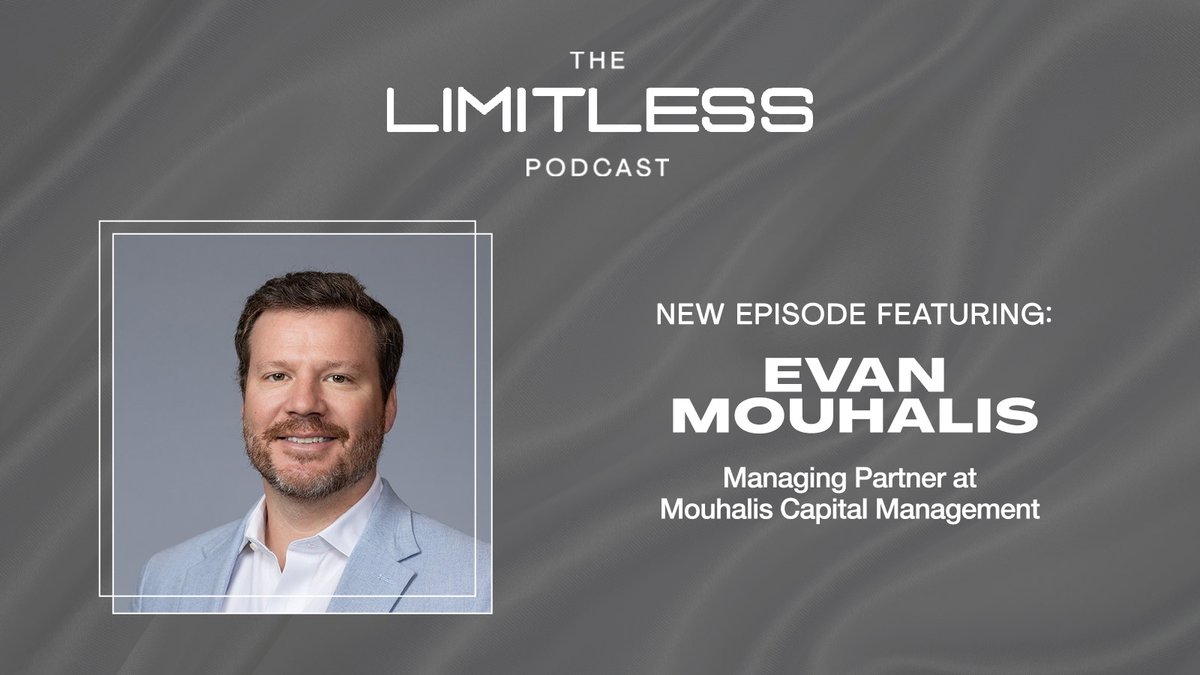
Join @AaronAZucker as he interviews @EvanMouhalis on Limitless. From starting a lawn mowing business at 14 to becoming a senior analyst right out of college, Evan's path is anything but linear. Join us to hear about Evan's journey, filled with serendipity and hustle

At just 10, Kristin was soaking up the dealership world, helping at her dad's Chevrolet dealership in Salisbury, NC. Her hustle began with detailing cars, see where it took her on Limitless with @AaronAZucker . 🚗💼 open.spotify.com/episode/2KezT5…

🎙️ Meet Andy Howard, an exceptional leader whose career isn’t just a story—it's an inspiration! 📈 Starting in banking with a marketing degree,, he quickly realized he had a different calling. 💼✨Now Streaming podcasts.apple.com/us/podcast/lim…



Joe H @JoeH21538247
67 Followers 1K Following
Inigo Montoya @MontoyaIni64800
58 Followers 177 Following 100% real 1 account 100% shenanigans and nonsense parody


George Washington Tru... @GeorgeWTrumpWon
4K Followers 7K Following Proud American that wants to help lift all of God’s children to full potential. Common sense conservative. Free Speech + Election Integrity Audits stops Marxism
Mike Moves @MikeMoves_CCP
998 Followers 6K Following Investor | Tech Founder - AI Consumer App on IOS “SilverSpoon Ai” | Former Mainframe Systems Engineer @Broadcom, @Fidelity, @McMasterCarr, and more

. @bluffh0614
18 Followers 339 Following
Peaceful Stack @PeacefulStack
934 Followers 1K Following Dog lover. BTC & MSTR since March 2021. Notes on capital, patience, and staying calm. Learning to live a slower, peaceful life.
Mike Cox @cox80595730
20 Followers 138 Following
Bud Helperton @ListservedBud
58 Followers 332 Following Commercial Real Estate and AI https://t.co/jUmIdEttyw
Amy @AmyJohcreey
610 Followers 4K Following Photoshop artist/Video editor, gamer, healer of the blues, ex-media techie minion to Shadow Cat
Daily Home Decor @StyleDecorand
1K Followers 4K Following Ideal decor, furniture, and accessories to suit your style. Daily selected Amazon product links with 4.5 ⭐ and up
BBE @bandBE2020
26 Followers 660 Following
23 y/o CRE Broker @CezdenCRE
34 Followers 154 Following $0M in closed transactions | Paid for a master's degree to live off commission | Unserious #ReTwit

CREDebtGuy @allaboutCREdebt
163 Followers 167 Following CRE Lender/Broker candidly sharing 13+ years of all things CRE debt. https://t.co/FW3RvKr7ZA
Clint @cbclintbaker
90 Followers 839 Following

Real Estate Freshie @therefreshman
45 Followers 398 Following
Wilson (Willie) Alers @W1lsonAlers
699 Followers 3K Following CRE broker, consultant & investor focused on capital markets & inv. sales. SoFL multifamily/condo expert 🇵🇷🇺🇸
Yumi Lowy @YumiLowy
5K Followers 2K Following Singer/Performer in NYC!! For bookings call 347-249-9288 or email [email protected]
Tori Nook @ToriNook
520 Followers 2K Following Principal Founder of Anchor Retail | Retail & Restaurant #CRE Tenant Rep Broker | Realty Resources | Top CREi Women & Linkedin Influencer | 2025 WOI
Glen Kunofsky @GlenKunofsky
3K Followers 2K Following Founder and CEO of @wearesurmount #CRE #retwit
Marcos Galante @markgalante
323 Followers 2K Following Building ghost kitchens in Miami, own restaurants in Mexico, investing in real estate | #REtwit - STRs, strip malls, NNN commercial | Prev: RE + Hospitality IB
Jim Kittridge @JimKittridge
3K Followers 2K Following Just a guy who is grateful for life's adventures and occasionally buys real estate.
Shmendrick Lamar @LiranF
250 Followers 2K Following Who's more foolish? The fool, or the fool who follows him?

H @huntergather3r
306 Followers 1K Following the email above was snipped from the https://t.co/jfAKmCkQiH website. it is no longer available there.
Fyea.ai @FyeaAI
32 Followers 525 Following Just launched! https://t.co/UohPCVIVcg solves your most important problems in minutes. Describe it in a few words, watch magic happen, solve it. Try it 👇
Joe Sauers @JoeSauers2
138 Followers 574 Following RE and SMB. Founded and exited a commercial service business that I ran for 22 years. Own and manage commercial real estate. Looking for the next opportunity.
Karina Noor CRE @Karina_inCRE
1K Followers 848 Following Former Software Engineer → CRE | Gas Stations | NNN | Sharing mindset shifts, real mistakes & growth 👉 Follow the journey! 📬 DMs open 🙏 God is always first
Alex Chandler @ajchandler12
391 Followers 825 Following Fan of Multiples. Multi-unit Franchisee and Father of Triplets
Shaina Denny - Pet Fr... @shainadenny
2K Followers 2K Following CEO at @DogdropCo l i help people start & grow their pet care business l Open your own Dogdrop today l Let's chat 👇
Michael @Mikeguac
59 Followers 384 Following
Stuart Seagroves @stuartseagroves
372 Followers 6K Following

nice margins @nicemargins
107 Followers 670 Following my niche: renovating pre-17th century castles. nothing else.
Scott Gunn @HeelsGunner
718 Followers 1K Following Tar Heel born, Tar Heel bred. Friend and business minded entrepreneur who loves political/sports commentary and the USA.
Matt Milinovich @mattmilAZ
928 Followers 2K Following #Retail #CRE Broker in Phoenix, AZ | Project Leasing | Tenant Rep | Investment Sales - Principal @ Avison Young
Flat Forty Capital @Flat40Capital
116 Followers 849 Following
Matt Jones | Capital ... @mattjonesmcm
758 Followers 372 Following Real Estate Debt & Construction 🏗️🔨• Broker looking to get cool things built • YIMBY • Radical Capitalist • Long America 🇺🇸 • NYC🗽
Rafael Weiss @RafaelWeissCRE
580 Followers 163 Following Building the first tenant expansion marketplace, Sytes. Where tenants post, landlords match & deals close. Also owner of Rosedown Racing.
adair peng @adairPeng
0 Followers 5 Following
Vitalii @Vito_AMBR
830 Followers 4K Following Ambassador, co-founder of the Amber Coin project. https://t.co/4hXuJxR9Zn https://t.co/rTH4ZTrYRx
Chrisgio @chrisgio42
293 Followers 2K Following Fast car enthusiast. Cook book chef. Voyager of our tiny universe. Sometimes I dabble in real estate.


Kendall Whitaker @crekdawg
1K Followers 710 Following I buy Fast Food Restaurants | QSR Acquisitions at @ZIG_CRE | Charlotte, NC
Michael Vojnik Jr. @Mike_Vojnik
155 Followers 214 Following
The Retail Connection @TRCconnect
999 Followers 433 Following With a focus on retail and retailers, The Retail Connection navigates clients through the real estate market with industry knowledge, experience and commitment.
QSR magazine @QSRmagazine
24K Followers 2K Following Leading source of information and insight for quick-serve, fast-casual, and other limited-service restaurants.
Location CRE @LocationCre
6 Followers 18 Following
Coy Davidson @CoyDavidsonCRE
46K Followers 6K Following
LoopNet @LoopNet
29K Followers 537 Following The #1 marketplace for commercial real estate. Search or list CRE with #LoopNet.
Sands Investment Grou... @SandsInvestment
2K Followers 1K Following Full-service commercial real estate advisory | Investments. Integrity. Innovation.
Retail Live! @RetailLive
2K Followers 1K Following Retail Live! is a national Commercial Real Estate networking company hosting events in the Midwest, Southeast, West Coast and Central US.
Aaron Zucker @AaronAZucker
1K Followers 1K Following Mission: help people fulfill their why @zig_cre: scaling free standing operators 🏥☕️👨🔧⛽️ - #STNL #Retail Multi-Unit Franchisee | @ypo | Podcast Host | Dad
theBrokerList @theBrokerList
25K Followers 21K Following Over 10,000 #CRE professionals sharing content with B2B & B2C! Join us!! ♡ https://t.co/eTcZOxBzIH We💙#CRE brokers! @theBrokerList on all Social.
American Family Care @AFCinc
893 Followers 294 Following The Right Care. Right Now. It's our mission to provide the best healthcare possible at times and locations convenient to you.
Crexi @CREXinc
6K Followers 2K Following Empowering #CRE professionals with a robust marketplace, easy-to-use workflow management tools, and customizable data analytics. #CREXI
The Charlotte Observe... @theobserver
250K Followers 665 Following Proudly serving North Carolinians since 1886. Reporting clearly, truthfully, completely.You might like